Who Is Responsible for Community Night Watch Activities?
Gusti Ayu Tita P
18 September 2026
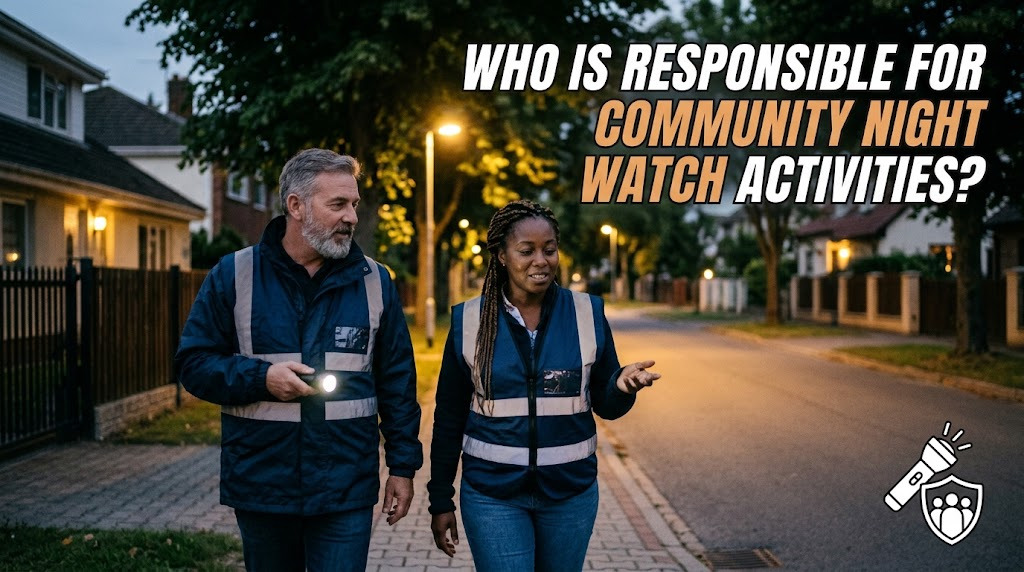
Community Night Watch is a shared community activity that requires clear responsibilities among residents. Although local community leaders may help organize the program, participation can involve residents who live in the neighborhood. Clear roles make it easier to create schedules, coordinate activities, and respond appropriately to relevant situations. A well-organized neighborhood watch can therefore depend on cooperation between residents and community leaders.
THE ROLE OF COMMUNITY LEADERS
Community leaders can play an important role in organizing Community Night Watch activities. They may help prepare schedules, divide participants into groups, and communicate important information to residents. Leaders can also coordinate discussions when the community needs to review or improve the watch system. This organizational role helps ensure that night watch activities follow an agreed plan.
Community leaders are not expected to handle every responsibility themselves. Their role is mainly to support coordination and encourage residents to participate according to their abilities. If problems occur during the program, leaders can help communicate with the appropriate parties. Good coordination can make the community watch program more consistent and manageable.
THE RESPONSIBILITY OF RESIDENTS
Residents are an important part of Community Night Watch because the activity is based on community participation. Those who participate can carry out assigned shifts, monitor the surroundings, and communicate relevant information. A fair schedule allows responsibilities to be shared among residents. This can prevent the activity from depending on only a few people.
Residents should also understand the limits of their responsibilities. They should not confront suspicious individuals or attempt to handle dangerous situations themselves. Instead, important incidents can be reported to community leaders or the appropriate authorities. By following safe procedures, residents can support neighborhood safety without taking unnecessary risks.
SHARING RESPONSIBILITIES THROUGH A CLEAR SCHEDULE
A clear night watch schedule helps determine who is responsible for each shift. Residents can be divided into groups based on the number of participants and the needs of the neighborhood. The schedule should be discussed together so that it remains fair and realistic. Clear assignments can also reduce confusion about when each participant needs to be present.
Flexibility is useful when a resident cannot attend an assigned shift. Participants can communicate with one another and arrange an appropriate change when necessary. Community leaders can help coordinate these adjustments so that the schedule remains organized. Through shared responsibility, the night watch program can continue without placing excessive pressure on individual residents.
COORDINATION WITH APPROPRIATE AUTHORITIES
Community Night Watch should be viewed as a form of community participation rather than a replacement for professional security services. When residents encounter a serious or dangerous situation, they should prioritize their safety and contact the appropriate authorities. Community leaders can help facilitate communication when an incident needs further attention. This creates a clearer connection between community participation and formal security services.
Good coordination also helps residents understand what should be reported and how information should be communicated. Important details should be shared accurately without spreading unverified information that could create unnecessary concern. Regular communication between residents and community leaders can make the neighborhood security system more organized. This approach allows everyone to understand their role and responsibilities.
CONCLUSION
Responsibility for Community Night Watch activities is generally shared between community leaders and participating residents. Leaders can organize schedules, coordinate communication, and support the overall program, while residents carry out agreed duties and help monitor the neighborhood. Clear responsibilities make the activity easier to manage and maintain.
The program also benefits from cooperation with appropriate authorities when serious situations occur. Residents should always prioritize safety and avoid handling dangerous incidents directly. With shared responsibility, clear communication, and an organized schedule, Community Night Watch can support a safer and more orderly neighborhood.
About the Author
Gusti Ayu Tita P
Author — STEKOM University
An active author focused on academic issues, educational technology, and human resource development in the campus environment.