Why Are Disability Friendly Public Facilities Important?
Gusti Ayu Tita P
18 September 2026
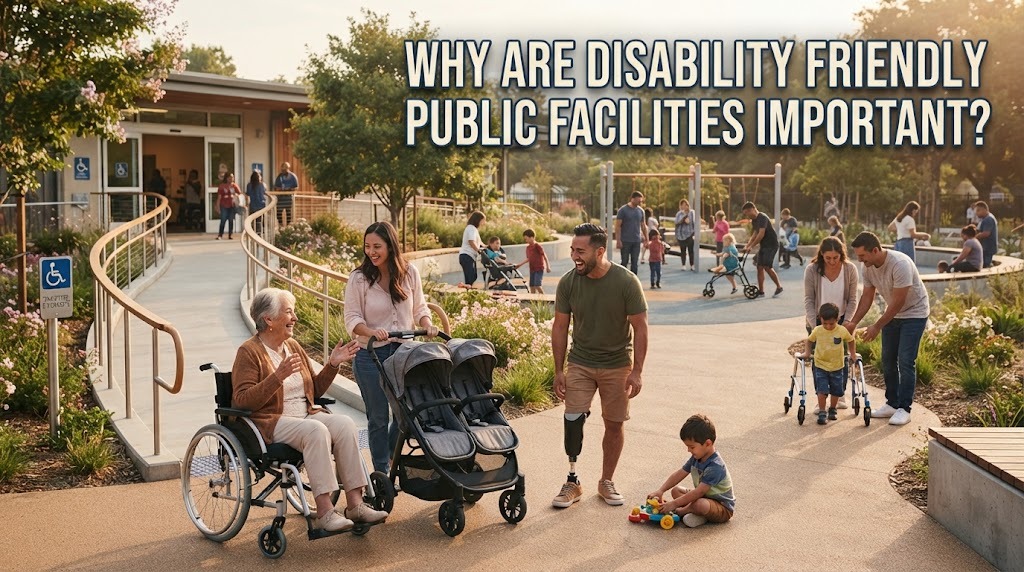
Disability-friendly public facilities are important because everyone should be able to use public spaces safely and comfortably. People with disabilities may face physical or communication barriers when facilities are not designed for different needs. Ramps, accessible toilets, elevators, tactile paths, and clear signs can make public places easier to use. These facilities can support independence, safety, and equal access. Creating accessible public spaces also helps build a community where more people can participate in everyday activities.
PROVIDING EQUAL ACCESS
Public facilities should provide equal access to people with different abilities. Roads, schools, hospitals, transportation systems, parks, and government buildings are used by many members of society. If these places are difficult to access, people with disabilities may have fewer opportunities to use important services. Accessible designs can reduce physical barriers and make public spaces more welcoming. This helps create a more inclusive community.
SUPPORTING INDEPENDENCE
Accessible facilities can help people with disabilities perform activities with less assistance from others. Ramps, elevators, accessible entrances, and suitable pathways can make movement easier for wheelchair users and people with limited mobility. Tactile paths and clear signs can also support people with visual or other accessibility needs. When facilities are designed properly, users can move around public spaces more independently. This can provide greater confidence when completing daily activities.
IMPROVING SAFETY AND COMFORT
Safety is another important reason for providing disability-friendly facilities. Uneven paths, stairs without alternatives, narrow entrances, and inaccessible toilets can create unnecessary risks for some users. Proper ramps, handrails, accessible pathways, and adequate space can reduce these difficulties. Clean and well-maintained facilities can also make public spaces more comfortable. Therefore, accessibility should be considered together with safety and maintenance.
SUPPORTING EDUCATION AND WORK
Accessible public facilities can help people with disabilities access education and employment opportunities. Schools, colleges, offices, and training centers need entrances, toilets, pathways, and other facilities that can be used by different people. When buildings are accessible, individuals can participate in learning and work activities more easily. Public transportation also plays an important role because people need reliable ways to reach these places. Better accessibility can help reduce barriers to social and economic participation.
MAKING PUBLIC TRANSPORTATION ACCESSIBLE
Transportation is an important part of an accessible community. Accessible buses, trains, stations, sidewalks, and waiting areas can make travel easier for people with disabilities. Features such as ramps, priority seating, elevators, and clear information can support different user needs. Without accessible transportation, reaching schools, workplaces, hospitals, or other public services may become more difficult. Improving transportation accessibility can therefore support independent mobility.
SUPPORTING SOCIAL PARTICIPATION
Disability-friendly facilities allow people to take part in community and social activities. Parks, sports areas, libraries, community centers, and recreational spaces should be designed so that different users can access them. Social participation gives people opportunities to meet others, communicate, and enjoy activities outside their homes. Accessible public spaces can reduce isolation caused by physical barriers. This can help create a stronger sense of community inclusion.
BENEFITING THE WIDER COMMUNITY
Accessibility improvements can benefit more than people with disabilities. Older adults, children, parents with strollers, and people temporarily injured can also benefit from ramps, elevators, smooth pathways, and accessible entrances. These features can make public spaces easier to navigate for many users. Good accessibility can also improve the overall design and convenience of public facilities. Therefore, inclusive design can provide benefits to the wider community.
MAINTAINING ACCESSIBLE FACILITIES
Building accessible facilities is not enough if they are not properly maintained. Ramps can become blocked, elevators can stop working, tactile paths can be damaged, and accessible toilets can become unusable. Regular inspection, cleaning, and repair are necessary to keep accessibility features functional. Public facility managers should also consider feedback from users when identifying problems. Continuous maintenance helps ensure that accessible facilities remain useful over time.
CONCLUSION
Disability-friendly public facilities are important for creating equal opportunities and a more inclusive community. Accessible designs can support independence, safety, mobility, education, employment, and social participation. Features such as ramps, elevators, accessible toilets, tactile paths, and clear signs can reduce barriers for many users. However, these facilities also need regular maintenance to remain safe and functional. By improving accessibility, communities can create public spaces that are more useful and welcoming for everyone.
About the Author
Gusti Ayu Tita P
Author — STEKOM University
An active author focused on academic issues, educational technology, and human resource development in the campus environment.