
Why Are District Heads Important for Local Communities?
Gusti Ayu Tita P
12 Agustus 2026
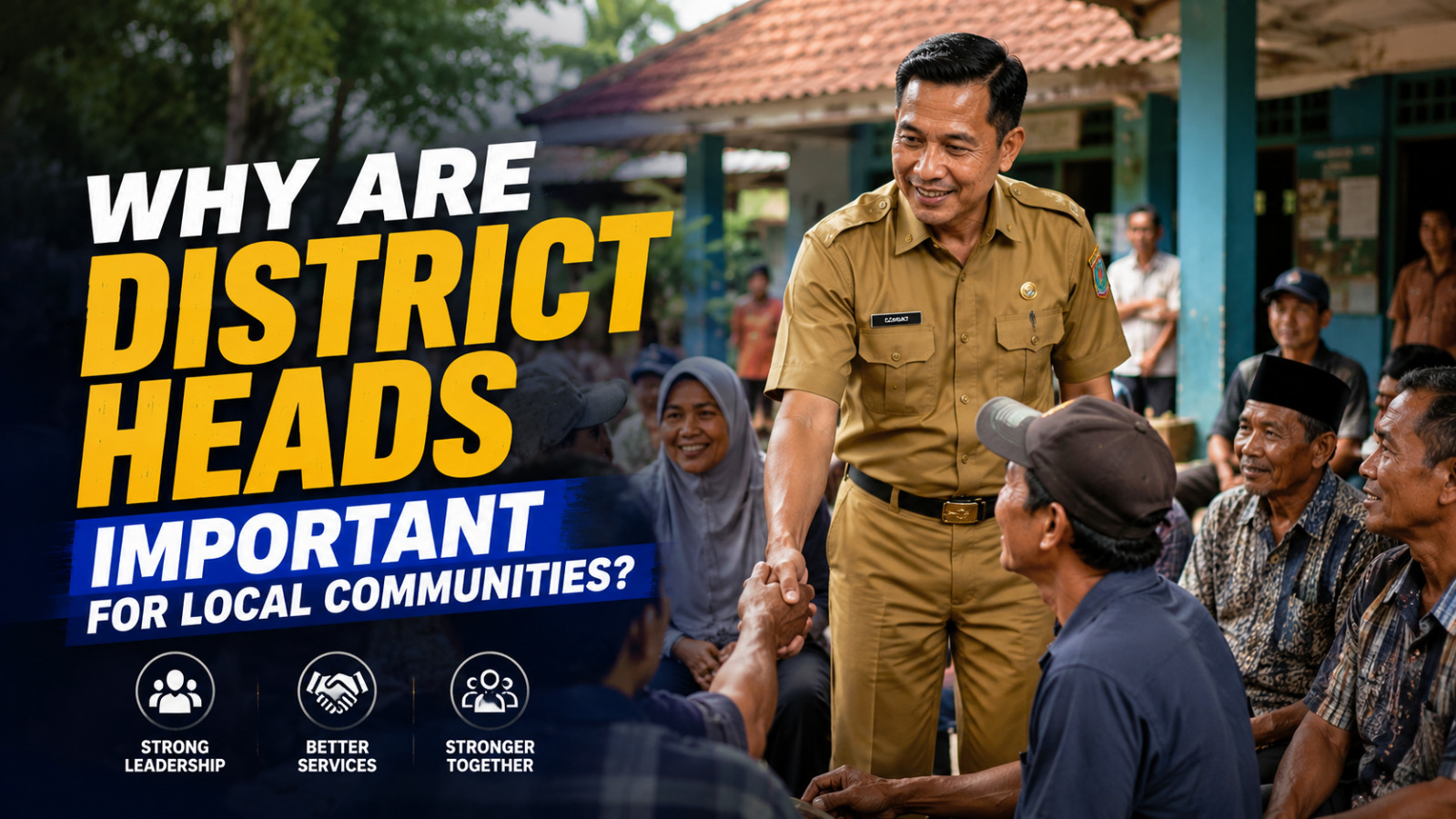
District heads play an important role in connecting local government with the communities they serve. They help ensure that government programs, public services, and development activities reach residents effectively. Their position also allows them to understand local needs and coordinate different government institutions.
UNDERSTANDING THE ROLE OF DISTRICT HEADS
A district head is a local government official responsible for coordinating government activities within a district or subdistrict area, depending on the country's administrative system. They generally work between higher levels of government and smaller local administrative units. This position makes them an important link between government policies and community needs.
District heads may coordinate public services, development programs, administrative activities, and community affairs. They also communicate local conditions and public concerns to higher government authorities. Through these responsibilities, district heads can help make government programs more responsive to the people.
IMPROVING PUBLIC SERVICES FOR COMMUNITIES
One major reason district heads are important is their role in improving public services. They can coordinate government offices and local institutions to make administrative services more accessible and efficient. They may also monitor whether services such as population administration, social assistance, health programs, and other public facilities are being delivered properly.
Effective coordination can help identify problems before they become more serious. District heads can collect feedback from residents and communicate these concerns to relevant government departments. Responsive public services can increase public satisfaction and strengthen people's trust in local government.
SUPPORTING LOCAL COMMUNITY DEVELOPMENT
District heads can contribute significantly to community development by coordinating development activities based on local priorities. They may support programs related to infrastructure, education, health, economic activities, environmental management, and social welfare. Their understanding of local conditions can help ensure that development programs address real community needs.
Community participation is also important in successful local development. District heads can encourage residents, community organizations, businesses, and other stakeholders to participate in planning and implementing programs. Community participation helps create development initiatives that are more inclusive and sustainable.
STRENGTHENING COMMUNICATION BETWEEN GOVERNMENT AND RESIDENTS
Good communication is essential for effective local governance. District heads can serve as a channel through which residents communicate their concerns, suggestions, and expectations to the government. At the same time, they can explain government policies and programs to the community in a clear and understandable way.
Regular meetings, public discussions, community visits, and digital communication can support this process. When residents feel that their opinions are heard, they are more likely to participate in local programs. Open communication can therefore strengthen relationships between government institutions and local communities.
MAINTAINING ORDER AND SOCIAL HARMONY
District heads may also have an important coordinating role in maintaining public order and social harmony. They can work with relevant authorities and community leaders to respond to local issues that could affect safety or community stability. Their role is generally focused on coordination rather than replacing specialized law enforcement agencies.
They can also encourage dialogue when disagreements arise between community groups. Early communication and cooperation can prevent minor problems from becoming larger conflicts. By supporting social harmony, district heads help create an environment where residents can live, work, and participate in community activities safely.
ENCOURAGING ACCOUNTABLE LOCAL GOVERNANCE
Strong local government requires transparency, responsibility, and effective coordination. District heads can help promote accountable governance by monitoring local programs, coordinating government personnel, and encouraging proper administrative procedures. They can also help ensure that community concerns are considered when government activities are planned.
Accountability becomes stronger when government officials communicate clearly about programs and listen to public feedback. Digital technology can also make information easier to access and improve communication with residents. These practices can contribute to better local governance and stronger public confidence.
FACING CHALLENGES IN MODERN GOVERNANCE
Modern district heads face various challenges as community expectations continue to change. Residents increasingly expect government services to be fast, transparent, accessible, and technology-based. At the same time, district heads may have to manage limited resources, diverse community interests, and complex administrative responsibilities.
Technology can provide useful solutions, but it also requires appropriate skills and infrastructure. District heads need to understand digital communication, data-based decision making, and changing community needs. Adaptability and leadership are therefore important qualities for effective local administration.
WHY DISTRICT HEADS MATTER TO LOCAL COMMUNITIES
District heads are important because they help connect government institutions with people at the local level. Their responsibilities can influence the quality of public services, development programs, administrative coordination, and community engagement. When they perform their duties effectively, residents can benefit from government programs that are more organized and responsive.
Their success also depends on cooperation with other government officials, community leaders, organizations, and residents. No district head can improve a community by working alone. Strong collaboration creates better opportunities to solve local problems and support sustainable development.
CONCLUSION
District heads have an important position in strengthening local communities and improving the relationship between government and residents. They help coordinate public services, support development programs, maintain communication, encourage community participation, and promote effective local governance. Their ability to respond to local needs can make government programs more relevant and accessible.
As local communities continue to face new social, economic, and technological challenges, district heads need strong leadership, communication, coordination, and problem-solving skills. With responsible leadership and community cooperation, district heads can contribute to better public services and more inclusive local development.
About the Author
Gusti Ayu Tita P
Author — STEKOM University
An active author focused on academic issues, educational technology, and human resource development in the campus environment.















