Why Are Fake Products Still Popular Among Consumers?
Gusti Ayu Tita P
26 Agustus 2026
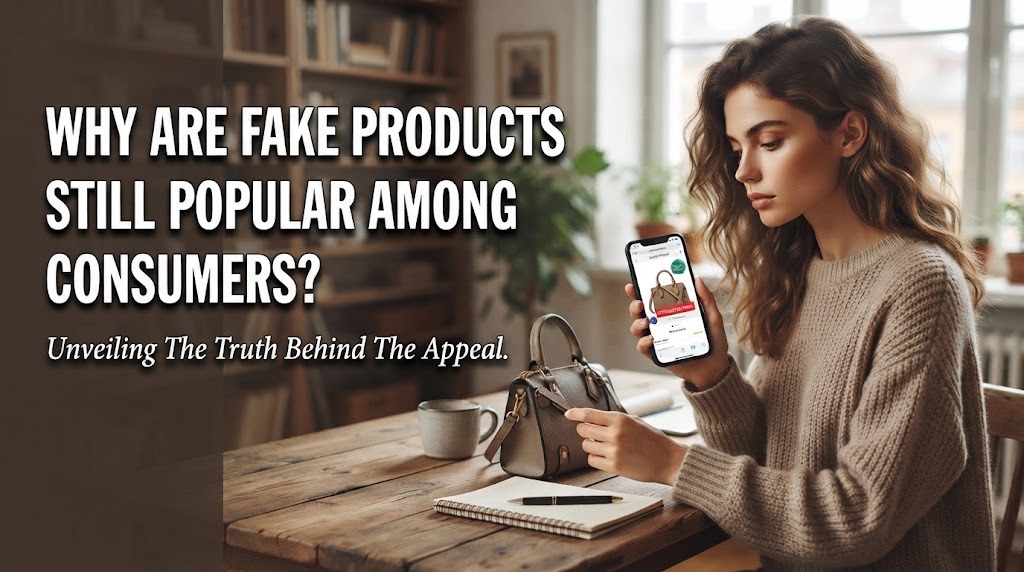
The circulation of fake products remains a common issue in modern consumer markets. Even though consumers can easily find information about product authenticity, many people are still interested in goods that imitate popular brands. The main reasons include lower prices, attractive designs, social trends, and easy access through digital shopping platforms. For some consumers, fake products offer a way to enjoy a similar appearance without paying the price of an original item. However, this popularity also creates economic, legal, and quality concerns that consumers should understand.
POPULAR DESIGNS INFLUENCE CONSUMER CHOICES
Fashion and lifestyle trends have a strong influence on purchasing decisions. Fake products often copy popular designs, colors, logos, and styles that are already familiar to consumers. This makes them attractive to people who want to follow current trends without purchasing the original version. Social media can strengthen this effect because popular products can become widely recognized in a short time. As a result, demand for similar-looking products may increase.
For some consumers, appearance is an important part of product selection. They may prioritize how an item looks rather than where it was produced or whether it is officially licensed. This does not mean that every consumer intentionally ignores authenticity. Some buyers may simply focus on style and affordability when making a decision.
SOCIAL INFLUENCE AND THE DESIRE TO FOLLOW TRENDS
Consumer behavior is often affected by friends, online communities, influencers, and popular culture. When a particular product becomes associated with a desirable lifestyle, more people may want to own something similar. Fake products can provide an inexpensive way to participate in these trends. Social influence can therefore contribute to continued demand for imitation goods.
The desire for social recognition can also play a role. Some consumers may believe that a familiar logo or design can improve their appearance or help them fit into a particular social group. When an imitation product looks convincing, it may seem like an affordable shortcut to achieving a similar visual image. Nevertheless, social acceptance based mainly on possessions can encourage unnecessary consumption.
EASY ACCESS THROUGH DIGITAL SHOPPING
The growth of online marketplaces and social media commerce has changed how consumers find products. People can compare prices, view photographs, read reviews, and communicate with sellers without visiting a physical store. This convenience can also make fake products easier to discover. Some sellers use carefully prepared product photographs and promotional language to attract potential buyers.
Consumers may also encounter products through personalized recommendations and advertisements. Because digital platforms can expose users to many similar products, it can become difficult to determine which sellers are trustworthy. Checking seller information, product descriptions, reviews, and authenticity claims is therefore important before making a purchase.
CONSUMER PERCEPTION OF QUALITY AND VALUE
Not every consumer expects a fake product to provide the same quality as the original. Some buyers may knowingly choose an imitation because they believe the appearance is sufficient for their needs. If the product is used mainly for short-term fashion or appearance, durability may be considered less important. This perception can help explain why fake products continue to find buyers despite their limitations.
There is also a common assumption that a lower price means the risk is acceptable. However, this depends heavily on the product category. For safety related products, electronics, cosmetics, and other products where quality is important, uncertain manufacturing standards can create greater risks. Consumers should therefore evaluate the potential consequences instead of judging a product only by its appearance.
THE RISKS BEHIND THE LOW PRICE
Although fake products can appear attractive, consumers may face several disadvantages. Uncertain quality, limited warranties, poor durability, and lack of reliable after sales service are common concerns. A buyer may also have difficulty obtaining a refund or resolving a dispute if the seller provides misleading information. In addition, some counterfeit products may fail to meet applicable safety or regulatory requirements.
Fake products can also affect legitimate businesses. Brand owners invest significant resources in product development, manufacturing, marketing, and intellectual property protection. Unauthorized copies can weaken fair competition and potentially damage brand reputation. This means the impact of counterfeit goods extends beyond individual purchasing decisions.
HOW CONSUMERS CAN MAKE BETTER PURCHASE DECISIONS
Consumers do not have to avoid affordable products altogether. Instead, they should check authenticity and product information carefully before purchasing branded goods. Comparing prices with official stores can help identify unusually large price differences. Buyers should also examine seller reputation, product descriptions, customer reviews, return policies, and available warranties. When possible, purchasing from official stores or authorized retailers provides stronger assurance.
Consumers should also consider alternatives from legitimate brands with lower price points. A product does not need to carry an expensive logo to provide useful quality and good design. Choosing legal and reliable alternatives can satisfy consumer needs while reducing the risks associated with counterfeit products.
CONCLUSION
Fake products remain popular because they combine affordable prices, attractive designs, social influence, and easy digital access. These factors can make imitation goods appealing to consumers who want to follow trends or obtain a familiar appearance without paying the price of an original product. However, the low purchase price can come with risks involving quality, durability, safety, authenticity, and after sales support.
Ultimately, consumers should make decisions based on value, quality, safety, and reliable information, rather than price alone. Being a smart consumer means understanding what is being purchased and recognizing the potential consequences. With greater awareness and careful shopping habits, consumers can reduce the risks while making more responsible purchasing decisions.
About the Author
Gusti Ayu Tita P
Author — STEKOM University
An active author focused on academic issues, educational technology, and human resource development in the campus environment.