
Why Are Fingerprints Used in Employee Attendance Systems?
Gusti Ayu Tita P
14 September 2026
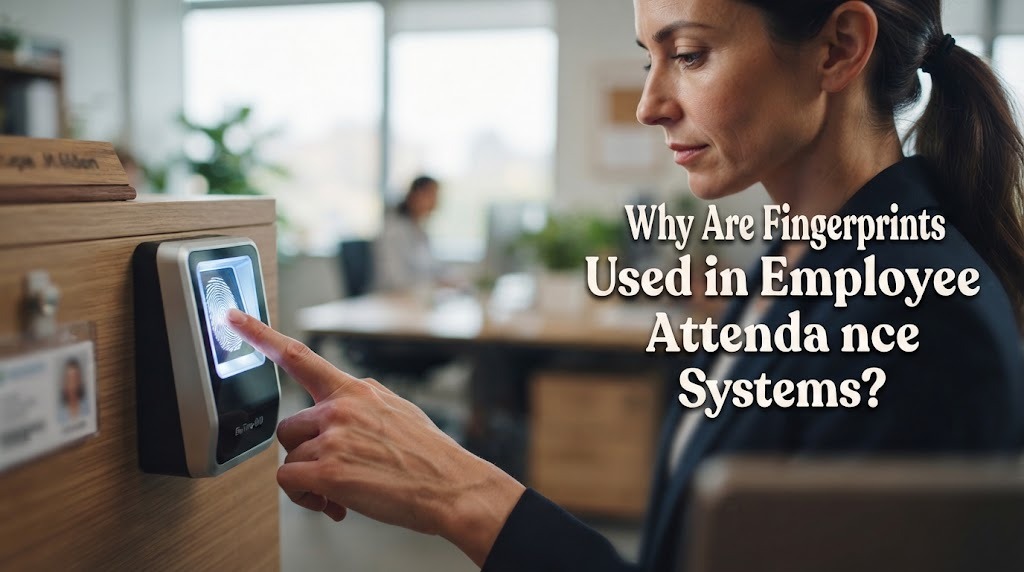
Fingerprint technology is widely used in employee attendance systems because it provides a practical way to verify employee identity. Each employee has a unique fingerprint pattern that can be registered in an attendance machine. When an employee arrives or leaves work, the system scans the fingerprint and records the time automatically. This process can reduce manual attendance work and improve the accuracy of attendance records. As a result, fingerprint attendance systems have become common in modern workplaces.
EMPLOYEE IDENTITY VERIFICATION
The main purpose of a fingerprint attendance system is to confirm the identity of the employee who records attendance. Each employee registers one or more fingerprints in the system before using the machine. When the employee scans a finger, the machine compares the fingerprint with the registered biometric data. If the information matches, the employee's attendance can be recorded. This process helps ensure that the attendance record belongs to the correct person.
Fingerprint verification can also reduce the possibility of attendance fraud. With manual attendance sheets or cards, one employee may sometimes record attendance for another person. A fingerprint system requires the employee's own biometric characteristic. However, no system is completely free from technical problems, so proper procedures are still needed.
AUTOMATIC ATTENDANCE RECORDING
Fingerprint machines can automatically record the date and time when an employee scans their finger. The system can distinguish between attendance records made at the beginning and end of a work period, depending on its configuration. This reduces the need for employees to write their arrival and departure times manually. Attendance data can then be reviewed by authorized staff.
Automatic recording can also make attendance administration more efficient. Staff members do not have to enter every attendance record manually into a spreadsheet. The collected information can be processed into reports according to the features of the system. This helps organizations save time and reduce certain types of data entry errors.
ACCURATE ATTENDANCE MANAGEMENT
Fingerprint attendance systems can help organizations maintain more consistent attendance records. Every successful scan is associated with a registered employee and a specific time. This provides structured information that can be used to monitor attendance patterns. Managers and administrative staff can use the records to support routine attendance management.
The accuracy of the records still depends on several factors. A machine may fail to recognize a fingerprint because of dirty fingers, wet skin, incorrect placement, or sensor problems. Regular maintenance and proper employee registration can help reduce these issues. Organizations should also have a clear procedure for handling unsuccessful scans.
EFFICIENT WORKPLACE ADMINISTRATION
Using fingerprints can simplify daily attendance administration. Instead of collecting paper forms or manually checking attendance cards, organizations can use digital attendance data. This can make it easier for authorized staff to review employee attendance. The system may also support attendance reports depending on its software and configuration.
Digital records can be useful when organizations need to review attendance over a specific period. Administrative staff can analyze information such as arrival times, departure times, and attendance frequency. This can support more organized workforce management. However, access to employee attendance data should be restricted to authorized personnel.
REDUCING ATTENDANCE FRAUD
One reason organizations choose fingerprint attendance is to reduce proxy attendance, where one employee records attendance on behalf of another. Since the system checks a person's fingerprint, another employee generally cannot use the same biometric identity through an ordinary attendance process. This can make attendance records more closely connected to the actual employee.
Fingerprint technology does not eliminate every form of attendance fraud or guarantee perfect accuracy. The system still depends on proper registration, secure administration, and appropriate monitoring. Organizations should also avoid relying on biometric technology as the only method of workforce management. Clear attendance policies remain important.
CONCLUSION
Fingerprints are used in employee attendance systems because they provide a convenient way to verify identity and record attendance automatically. The technology can improve attendance management, reduce manual data entry, and help limit proxy attendance. It can also provide structured digital records that are easier to review and manage. However, technical failures and biometric data privacy must be considered. With proper maintenance, security, and clear procedures, fingerprint attendance systems can support efficient workplace administration.
About the Author
Gusti Ayu Tita P
Author — STEKOM University
An active author focused on academic issues, educational technology, and human resource development in the campus environment.















