
Why Are Personal Boundaries Important for Emotional Wellbeing?
Gusti Ayu Tita P
11 September 2026
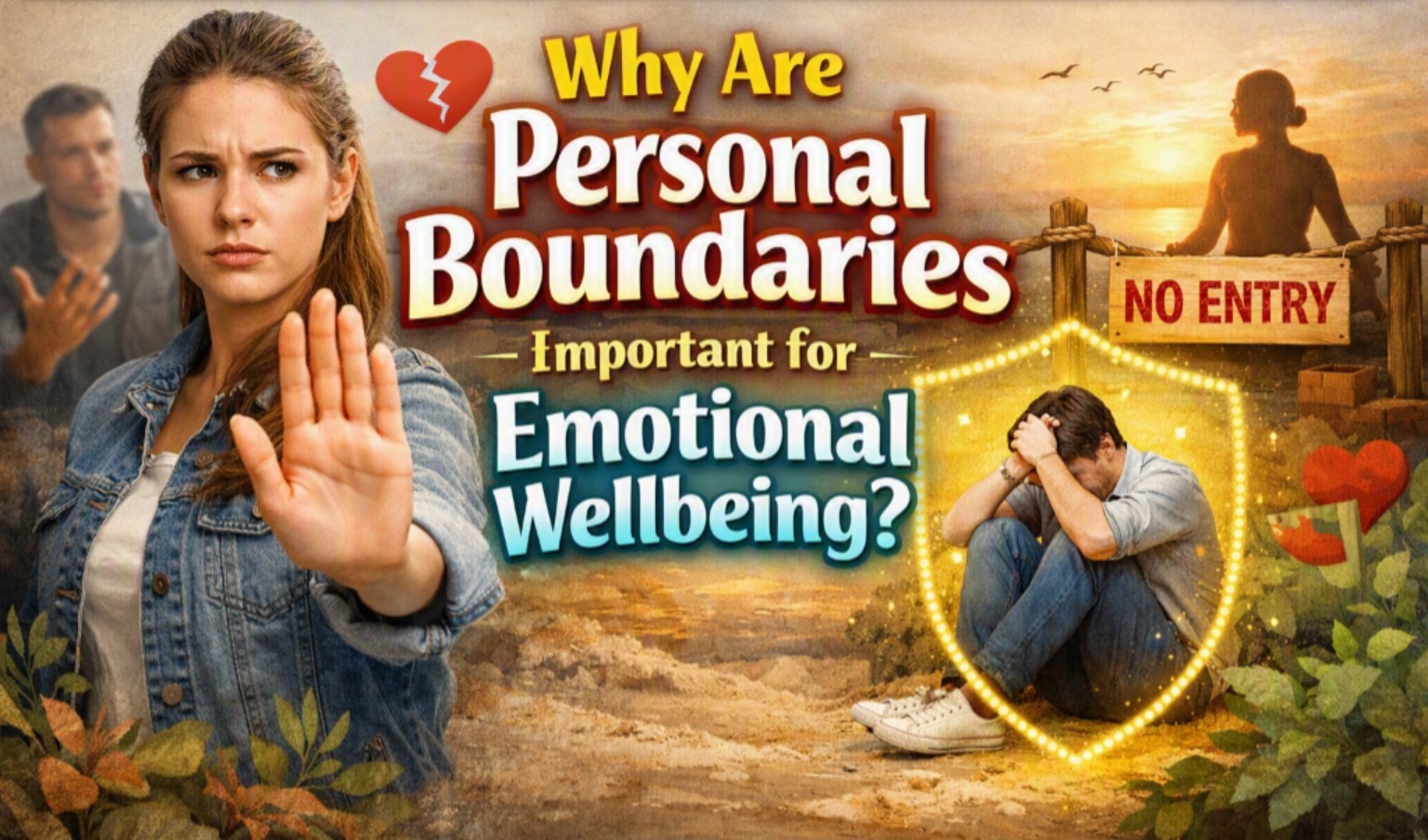
Personal boundaries are limits that help people protect their emotional, mental, physical, and personal space. They guide us in deciding what we are comfortable with and what we are not comfortable accepting from others. Having healthy boundaries does not mean being selfish or avoiding people. Instead, it helps create respectful relationships where everyone understands each other's needs and limits.
Healthy personal boundaries are closely connected to emotional wellbeing because they can reduce unnecessary pressure and emotional exhaustion. When people understand their limits, they can communicate their needs more clearly and make decisions that support their wellbeing. Without boundaries, someone may frequently agree to things they dislike, ignore their own needs, or feel responsible for everyone around them.
WHAT ARE PERSONAL BOUNDARIES?
Personal boundaries are the limits a person sets in relationships and everyday interactions. These limits can involve time, privacy, physical space, emotions, communication, money, and personal responsibilities. For example, someone may choose not to answer work messages outside working hours or may refuse to discuss private matters with people they do not trust.
Boundaries can be different for every person because everyone has different experiences, values, and comfort levels. A healthy boundary should be clear, reasonable, and communicated respectfully. Setting boundaries also does not mean controlling another person's behavior. Instead, it means communicating what you are willing to accept and how you will respond when a limit is crossed.
WHY DO PERSONAL BOUNDARIES MATTER FOR EMOTIONAL WELLBEING?
Personal boundaries can help people protect their emotional energy and avoid situations that repeatedly create unnecessary stress. When someone constantly ignores their own limits, they may experience frustration, resentment, emotional exhaustion, or difficulty relaxing. Clear boundaries can provide a stronger sense of control over personal choices and daily interactions.
Healthy boundaries can also support self-respect and emotional stability. When people recognize that their feelings and needs matter, they become more confident in making decisions that are appropriate for them. This does not eliminate every difficult emotion, but it can make it easier to manage emotional pressure in a healthy way.
HOW CAN BOUNDARIES REDUCE STRESS?
One important benefit of personal boundaries is that they can help reduce unnecessary stress. People sometimes take on too many responsibilities because they are afraid of disappointing others or being viewed negatively. Learning to say no to unreasonable requests can prevent an overwhelming workload and create more time for rest and important personal activities.
Boundaries can also reduce stress caused by constant communication. For example, someone may decide when they are available for calls, messages, or social activities. Having reasonable limits allows people to balance social responsibilities with personal recovery time, which is important for maintaining emotional wellbeing.
HOW DO BOUNDARIES IMPROVE RELATIONSHIPS?
Healthy boundaries can create relationships based on mutual respect and clearer communication. When people openly explain their needs, others have a better opportunity to understand what makes them comfortable or uncomfortable. This can reduce misunderstandings and prevent small problems from becoming larger conflicts.
Boundaries also help people develop healthier relationship patterns. A person does not have to accept disrespectful behavior simply to maintain a relationship. At the same time, setting boundaries should not be used to punish, manipulate, or control others. The goal is to create interactions where both people can express their needs while respecting reasonable limits.
WHAT HAPPENS WHEN SOMEONE HAS WEAK BOUNDARIES?
People with weak personal boundaries may find it difficult to say no, even when they are already overwhelmed. They may frequently prioritize other people's needs while ignoring their own feelings and responsibilities. Over time, this pattern can contribute to stress, resentment, emotional exhaustion, and reduced self-confidence.
Weak boundaries can also make relationships feel unbalanced. Someone may feel that others are taking advantage of their time, kindness, or emotional support. Recognizing these patterns is an important first step toward developing healthier boundaries and creating more balanced relationships.
HOW TO BUILD HEALTHY PERSONAL BOUNDARIES?
Building healthy boundaries starts with understanding your own needs and limits. Pay attention to situations that consistently make you feel uncomfortable, overwhelmed, pressured, or emotionally drained. These feelings can provide useful information about areas where stronger boundaries may be needed.
After identifying those areas, communicate your limits in a clear and respectful manner. Simple statements such as “I cannot do that today” or “I need some time to think about it” can be enough. You do not always need to provide a long explanation for a reasonable boundary. Most importantly, try to apply your boundaries consistently while remaining open to respectful communication and compromise.
WHY IS SAYING NO AN IMPORTANT BOUNDARY?
Saying no is an important part of protecting personal limits. Many people struggle with saying no because they worry about disappointing others or creating conflict. However, agreeing to everything can eventually lead to stress and resentment, especially when the decision goes against personal needs or available resources.
A respectful no does not mean rejecting someone as a person. It simply communicates that a particular request, activity, or situation does not work for you. Learning to say no when necessary can strengthen self-respect, confidence, and emotional balance while allowing relationships to develop with greater honesty.
WHEN SHOULD YOU RECONSIDER A PERSONAL BOUNDARY?
Personal boundaries should protect wellbeing without unnecessarily preventing healthy communication or relationships. A boundary may need to be reconsidered when circumstances change or when it no longer reflects your current needs and values. Reconsidering a boundary does not mean that the original boundary was wrong.
It is also important to distinguish between a healthy boundary and an attempt to control someone else. A healthy boundary focuses on what you can choose, communicate, or do in response to a situation. If a boundary is primarily designed to force another person to behave exactly as you want, it may be closer to control than a personal limit.
CONCLUSION
Personal boundaries are an important part of emotional wellbeing because they help people protect their time, energy, privacy, and emotional needs. Healthy boundaries can reduce unnecessary stress, improve communication, strengthen self-respect, and support more balanced relationships. They do not require people to become distant or uncaring.
Building boundaries takes practice, especially for people who are used to always helping others. Start with small and realistic limits, communicate them clearly, and remain consistent. By learning to recognize and respect personal boundaries, people can create healthier relationships and a more balanced emotional life.
About the Author
Gusti Ayu Tita P
Author — STEKOM University
An active author focused on academic issues, educational technology, and human resource development in the campus environment.















