Why Are Public Facilities Important For Community Life?
Gusti Ayu Tita P
18 September 2026
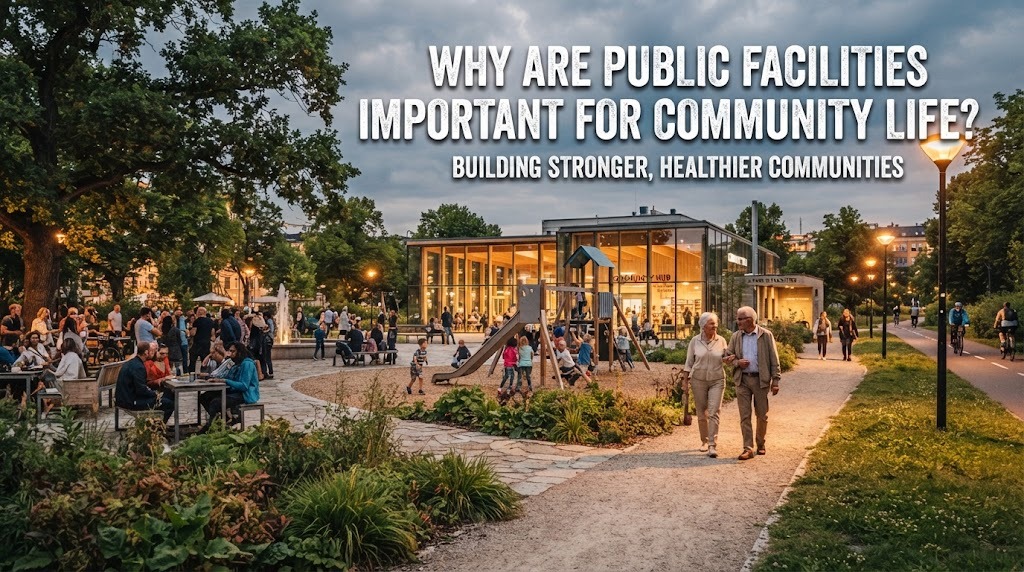
Public facilities are an important part of daily community life. People use them for many activities, such as traveling, studying, receiving healthcare, working, exercising, and spending time with others. These facilities are usually provided or managed to serve the needs of many people in a shared environment. Good facilities can make daily activities easier, safer, and more comfortable. Therefore, public facilities play an important role in supporting a healthy and organized community.
SUPPORTING DAILY ACTIVITIES
Public facilities help people complete their daily activities more easily. Roads and public transportation allow residents to travel to schools, workplaces, markets, and other important locations. Schools and healthcare facilities provide access to education and essential health services. Parks and public spaces give people places to relax, exercise, and interact with others. Without adequate facilities, many everyday activities could become more difficult and time-consuming.
IMPROVING COMMUNITY MOBILITY
Transportation facilities are important because communities need reliable ways to move around. Roads, sidewalks, bus stops, and public transportation connect residential areas with workplaces, schools, shopping areas, and public services. Good mobility can save travel time and make important destinations easier to reach. Public transportation can also provide an option for people who do not own private vehicles. As a result, effective transportation facilities can support greater access and movement within a community.
PROVIDING ACCESS TO EDUCATION AND HEALTHCARE
Public facilities can help communities access basic services that are important for their well-being. Schools, libraries, health centers, hospitals, and clinics provide services that support learning and health. When these facilities are reasonably accessible, people can receive important services without facing unnecessary travel barriers. Educational facilities help children and adults develop knowledge and skills, while healthcare facilities support prevention and treatment. Access to these services is an important part of a community's quality of life.
SUPPORTING ECONOMIC ACTIVITIES
Public facilities also contribute to economic activity in local communities. Markets, roads, transportation systems, and commercial areas help businesses connect with customers and suppliers. Workers can travel more easily when transportation infrastructure is available and reliable. Small businesses can also benefit from locations that are accessible to the surrounding community. When basic infrastructure functions properly, economic activities can operate more efficiently and create opportunities for local residents.
CREATING SAFE AND COMFORTABLE SPACES
People need public spaces where they can carry out activities without unnecessary safety risks. Street lighting, traffic signs, sidewalks, clean toilets, and well-maintained public areas can improve the experience of using shared facilities. Clean and properly maintained facilities can also reduce discomfort and help prevent certain hazards. Parks and recreational areas can provide places for people to relax and spend time with family or friends. Therefore, safety, cleanliness, and proper maintenance are important parts of useful public facilities.
ENCOURAGING SOCIAL INTERACTION
Public facilities can bring people together in shared spaces. Parks, community centers, sports fields, libraries, and public squares can become places where residents meet and communicate. Social interaction can help people build connections and participate in activities within their neighborhood. Community spaces can also support events, recreation, and group activities. In this way, public facilities can contribute to stronger social connections and community participation.
SUPPORTING INCLUSIVE COMMUNITY LIFE
Public facilities should be usable by people with different ages, abilities, and needs. Accessible ramps, safe sidewalks, handrails, suitable toilets, and clear signs can make public spaces easier to use. Accessibility is especially important for people with disabilities, older adults, children, and others who may face physical barriers. Facilities that consider different users can provide broader access to education, transportation, healthcare, and public spaces. Inclusive design helps ensure that shared facilities can serve more members of the community.
IMPROVING THE QUALITY OF THE ENVIRONMENT
Some public facilities can help create a cleaner and healthier community environment. Public parks, green spaces, drainage systems, waste facilities, and sanitation infrastructure can support environmental quality. Green spaces provide areas for recreation while adding vegetation to urban environments. Proper waste and drainage systems can also help reduce cleanliness problems and standing water. Therefore, well-managed public infrastructure can support both community needs and environmental quality.
CONCLUSION
Public facilities are important because they support many aspects of community life. Transportation, education, healthcare, economic activity, safety, social interaction, accessibility, and environmental quality all depend partly on suitable public infrastructure. The needs of each community may differ, but facilities should generally be safe, clean, accessible, functional, and properly maintained. Communities and facility managers also have roles in protecting shared spaces and reporting problems when they occur. Good public facilities can make everyday life easier while supporting a more connected, productive, and comfortable community.
About the Author
Gusti Ayu Tita P
Author — STEKOM University
An active author focused on academic issues, educational technology, and human resource development in the campus environment.