
Why Are Smartwatches Becoming Important Devices In The Digital Workplace?
Gusti Ayu Tita P
10 September 2026
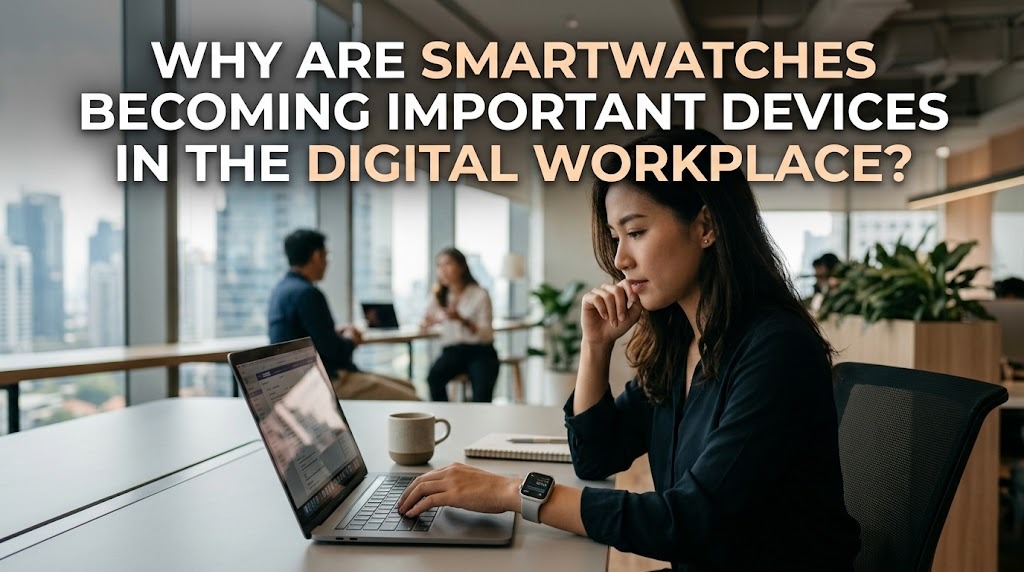
Smartwatches are becoming increasingly useful in the Digital Workplace because they provide quick access to important information. Professionals can receive selected notifications, reminders, calendar updates, and calls directly on their wrists. This convenience can reduce the need to constantly check a smartphone or computer. For employees who frequently move between meetings or work locations, quick information access can be especially helpful. Smartwatches therefore provide practical support for different modern work activities.
The usefulness of a smartwatch depends on the type of work being performed. Office employees may benefit from calendar reminders, while professionals who work outside an office may find communication and activity features more useful. Users can customize their devices according to their responsibilities and schedules. This makes the smartwatch a flexible tool rather than a device with one fixed purpose. When properly configured, it can support a more Efficient Work Routine.
IMPROVING PROFESSIONAL COMMUNICATION
Communication is an important part of almost every modern workplace. Smartwatches can display notifications from messages, emails, calls, and other communication applications. Users can quickly identify whether an incoming notification is important without immediately opening their smartphone. Some smartwatch models also support calls or short message responses when the required connection and features are available. These functions can make Professional Communication more convenient.
However, quick access does not mean every message must receive an immediate response. Employees should still consider workplace etiquette and the importance of the current task. During meetings or focused work, unnecessary notifications can become distracting. Users can manage notification settings to receive only essential information during important periods. This creates a balance between Work Accessibility and Concentration.
HELPING MANAGE WORK SCHEDULES
Managing schedules is another reason smartwatches are useful in modern workplaces. Calendar applications, alarms, timers, and reminders can help professionals remember meetings, appointments, deadlines, and other responsibilities. Because these alerts appear directly on the wrist, users can check them quickly during busy periods. This can reduce the possibility of forgetting important events. As a result, smartwatches can support better Time Management.
Professionals can also use timers to organize specific work sessions. For example, a timer can help limit the duration of a particular task or remind an employee to take a short break. Organizing work into manageable periods can make daily responsibilities easier to handle. However, schedules should remain flexible because workplace priorities can change unexpectedly. Smartwatch reminders are most effective when combined with Good Planning and Personal Discipline.
INCREASING WORK PRODUCTIVITY
Smartwatches can contribute to Work Productivity by making important information available without requiring users to stop what they are doing. A professional can quickly check an appointment, notification, or reminder and then return to the current task. This can be especially useful when handling multiple responsibilities throughout the day. The device can also support task reminders and routine management. These small conveniences may improve efficiency when used appropriately.
Productivity can decrease when technology creates too many interruptions. For this reason, employees should avoid activating every available notification. Important alerts should be prioritized, while unnecessary notifications can be muted. Some devices provide focus or silent modes that can help protect concentration. Smartwatches can improve productivity when they Reduce Unnecessary Digital Interactions rather than increase them.
SUPPORTING HEALTHY WORK HABITS
The digital workplace often requires employees to spend long periods sitting in front of computers. Smartwatches can encourage users to move or take appropriate breaks through activity reminders on supported devices. They may also provide general information about physical activity and sleep patterns. These features can help employees become more aware of their everyday habits. Maintaining healthier routines can contribute to a more sustainable approach to work.
Health-related smartwatch features should still be interpreted carefully. Measurements such as heart rate, activity levels, or sleep information can vary depending on the device and circumstances. They are generally intended to support wellness awareness rather than replace professional medical evaluation. Employees should focus on balanced habits instead of becoming overly concerned with individual numbers. In this way, Smartwatch Technology can support both productivity and personal well-being.
PROVIDING CONVENIENT DIGITAL ACCESS
Smartwatches bring several digital functions into a compact wearable device. Depending on the model, users may access notifications, calendars, navigation, music controls, fitness tracking, and other features. Having these tools on the wrist can make everyday workplace activities more convenient. Professionals who frequently move between locations can particularly benefit from quick access to selected information. This convenience is one reason smartwatches are gaining attention in modern professional environments.
Privacy and security should also be considered when using connected wearable devices at work. Users should review application permissions and privacy settings, particularly when handling sensitive information. Companies may also have workplace policies regarding connected devices and notifications. Employees should follow those policies and use smartwatch features responsibly. With appropriate settings and responsible behavior, smartwatches can become useful Digital Workplace Tools.
CONCLUSION
Smartwatches are becoming important devices in the Digital Workplace because they support communication, scheduling, productivity, and convenient access to information. Features such as notifications, reminders, calendars, timers, and health tracking can help professionals manage their daily responsibilities. However, excessive notifications can reduce concentration, so users should customize their devices carefully. Privacy, workplace policies, and responsible technology use should also be considered. When used appropriately, smartwatches can support Work Efficiency, Professional Communication, and More Organized Modern Work Routines.
About the Author
Gusti Ayu Tita P
Author — STEKOM University
An active author focused on academic issues, educational technology, and human resource development in the campus environment.















