
Why Are Study Tours Important For Student Experiences?
Gusti Ayu Tita P
15 September 2026
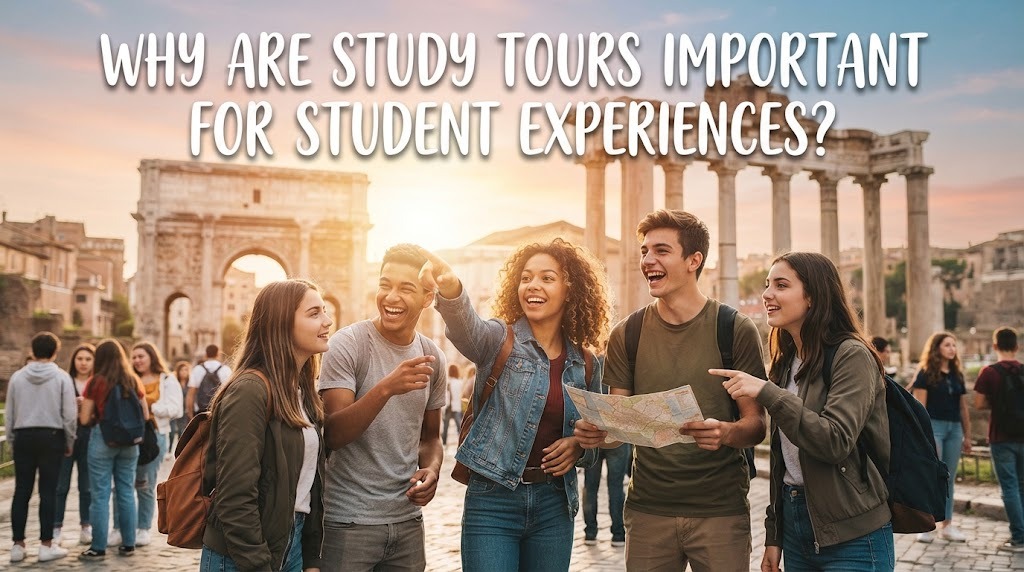
Study tours are educational activities that allow students to learn outside the traditional classroom. By visiting new places, students can gain knowledge through direct observation and real experiences. These activities can make learning more interesting while giving students opportunities to interact with their surroundings. For this reason, study tours can become an important part of meaningful student experiences.
PROVIDING DIRECT LEARNING EXPERIENCES
Study tours allow students to experience learning directly instead of only reading information from textbooks. They can visit museums, historical locations, companies, cultural centers, or other educational destinations. Seeing real objects and activities can help students understand lessons more clearly. They can also ask questions and observe details that may be difficult to understand in a classroom. This makes learning more practical and memorable.
EXPANDING STUDENTS KNOWLEDGE
Visiting new places can help students gain knowledge beyond their regular lessons. They may discover information about history, culture, science, technology, business, or different professions. These experiences can show students how various subjects are connected to real life. They may also find new topics that encourage them to learn more after the trip. As a result, study tours can broaden their understanding of the world.
DEVELOPING SOCIAL SKILLS
Study tours give students many opportunities to communicate and interact with others. They usually travel with classmates and teachers, so students need to cooperate during different activities. Group tasks can teach them how to share responsibilities, listen to opinions, and help one another. Students may also become more confident when communicating with people outside their usual environment. These social skills are valuable for school, work, and everyday life.
BUILDING INDEPENDENCE AND RESPONSIBILITY
A study tour can teach students to become more independent and responsible. They need to manage their belongings, follow schedules, respect rules, and complete activities on time. Students also learn to take responsibility for their own actions while being part of a group. These simple responsibilities can strengthen discipline and self-management. The experience can prepare students for situations where they need to make decisions independently.
ENCOURAGING CURIOSITY
New environments can create curiosity and interest in learning. Students may see something unfamiliar and begin asking questions about its history, purpose, or function. Teachers can use these questions to encourage discussion and further research. Students can also search for additional information after returning to school. This process can help them develop a habit of learning beyond what is written in textbooks.
INTRODUCING CULTURAL DIVERSITY
Study tours can help students understand different cultures and traditions. Visiting cultural sites allows them to see how people from different communities live, work, and maintain their traditions. This experience can teach students to respect differences and avoid making quick judgments about unfamiliar customs. Understanding cultural diversity can also improve their ability to communicate with people from different backgrounds. It encourages students to become more open-minded.
CREATING MEANINGFUL MEMORIES
Student experiences are not only about academic knowledge but also about memories and personal growth. Visiting interesting places, completing activities, and spending time with classmates can create positive memories. These experiences may help students remember the lessons connected to the trip more easily. They can also strengthen friendships and create a stronger sense of belonging within the group. Therefore, study tours can provide educational experiences that students remember for a long time.
CONNECTING SCHOOL WITH REAL LIFE
Study tours can show students how classroom knowledge is used in real situations. For example, a visit to a company can help students understand business processes, while a museum visit can make history lessons more concrete. Students can observe how people apply skills and knowledge in different environments. This connection can help them understand why learning at school is important. It may also encourage them to take their education more seriously.
SUPPORTING FUTURE GOALS
Some study tours can introduce students to career opportunities and future fields of study. Students may discover professions that match their interests after visiting companies, universities, workshops, or other institutions. They can learn about the skills and knowledge required for different careers. This information may help them think more carefully about their educational goals. In this way, study tours can become an early step toward planning their future.
CONCLUSION
Study tours are important for student experiences because they provide direct learning, wider knowledge, social interaction, independence, cultural awareness, and meaningful memories. They help students connect classroom lessons with real-life situations and discover new interests. These experiences can also support personal development and future planning. With proper preparation and educational goals, study tours can become valuable experiences that students remember and learn from for years.
About the Author
Gusti Ayu Tita P
Author — STEKOM University
An active author focused on academic issues, educational technology, and human resource development in the campus environment.















