
Why Are Sustainable Fisheries Essential for Future Food Security?
Gusti Ayu Tita P
30 Juli 2026
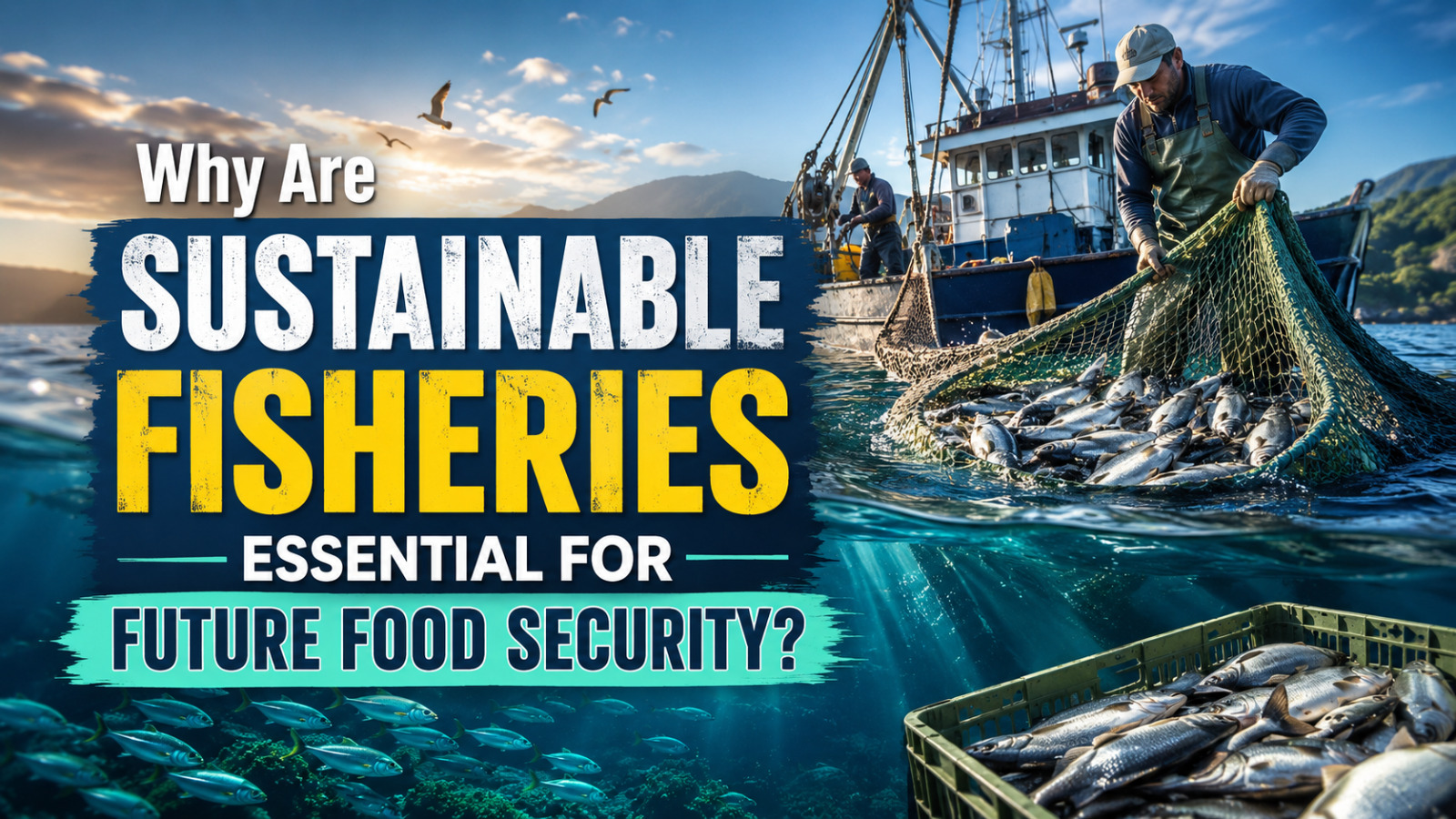
Sustainable fisheries play a vital role in ensuring that future generations have access to nutritious seafood while protecting marine ecosystems from overexploitation. As the global population continues to grow, the demand for fish and seafood is increasing significantly. Without responsible fisheries management, fish stocks may decline, threatening food security, biodiversity, and millions of livelihoods that depend on the fishing industry. Sustainable fisheries provide a balanced approach by supporting economic growth while preserving marine resources for the long term.
THE IMPORTANCE OF SUSTAINABLE FISHERIES FOR FOOD SECURITY
Fish is one of the world's most important sources of high-quality protein, essential vitamins, minerals, and healthy fatty acids. Millions of people, especially in coastal and island communities, rely on seafood as their primary source of nutrition. Sustainable fisheries help maintain stable fish populations, ensuring that seafood remains available for present and future generations.
Responsible fisheries also reduce the risk of overfishing, which can disrupt marine food chains and damage ocean ecosystems. By implementing science-based catch limits, seasonal fishing regulations, and habitat protection, governments and fishing industries can safeguard marine resources while maintaining consistent seafood production.
HOW RESPONSIBLE FISHERIES MANAGEMENT PROTECTS MARINE ECOSYSTEMS
Effective fisheries management focuses on maintaining healthy fish populations and preserving marine biodiversity. Catch quotas, protected marine areas, and selective fishing gear help prevent unnecessary damage to vulnerable species and habitats. These practices allow fish populations to reproduce naturally and recover from environmental pressures.
Healthy marine ecosystems are more resilient to climate change, pollution, and natural disasters. Coral reefs, mangroves, and seagrass beds serve as essential breeding and nursery grounds for many commercial fish species. Protecting these habitats strengthens the long-term sustainability of global fisheries.
THE ROLE OF TECHNOLOGY IN SUSTAINABLE FISHERIES
Modern technology has transformed fisheries management by improving monitoring, transparency, and efficiency. Satellite tracking, artificial intelligence, drones, and electronic catch reporting enable authorities to monitor fishing activities in real time and combat illegal, unreported, and unregulated fishing.
Digital technologies also help scientists collect accurate data about fish populations, migration patterns, and ocean conditions. This information supports better policy decisions and enables fisheries managers to establish regulations based on scientific evidence rather than short-term economic interests.
CHALLENGES THREATENING FUTURE FOOD SECURITY
Despite significant progress, many challenges continue to threaten sustainable fisheries worldwide. Climate change, ocean warming, plastic pollution, habitat destruction, and illegal fishing reduce fish populations and damage marine ecosystems. These issues place additional pressure on communities that depend heavily on seafood for nutrition and income.
Population growth and increasing seafood demand further intensify pressure on marine resources. Without stronger international cooperation and responsible fishing practices, fish stocks may decline beyond sustainable levels, making seafood less accessible and more expensive in the future.
STRATEGIES TO BUILD A MORE SUSTAINABLE FISHERIES SECTOR
Governments, industries, scientists, and local communities must work together to promote responsible fisheries management. Science-based regulations, ecosystem restoration, stronger law enforcement, and international cooperation are essential for protecting marine resources. Investing in sustainable aquaculture also helps reduce pressure on wild fish populations while meeting growing global seafood demand.
Consumers can contribute by choosing seafood from sustainable sources and supporting businesses that follow responsible fishing practices. Public awareness, environmental education, and certification programmes encourage better decision-making throughout the seafood supply chain and strengthen long-term food security.
CONCLUSION
Sustainable fisheries are essential for protecting marine ecosystems, supporting coastal economies, and ensuring global food security. By balancing responsible resource management with technological innovation and environmental conservation, fisheries can continue providing nutritious food for billions of people. Governments, industries, and consumers all share responsibility for safeguarding ocean resources. Through collective action and sustainable practices, healthy fisheries can continue to support future generations while preserving the richness and diversity of the world's oceans.
About the Author
Gusti Ayu Tita P
Author — STEKOM University
An active author focused on academic issues, educational technology, and human resource development in the campus environment.















