Why Can an Emotional Bond Make a Relationship More Meaningful?
Gusti Ayu Tita P
9 September 2026
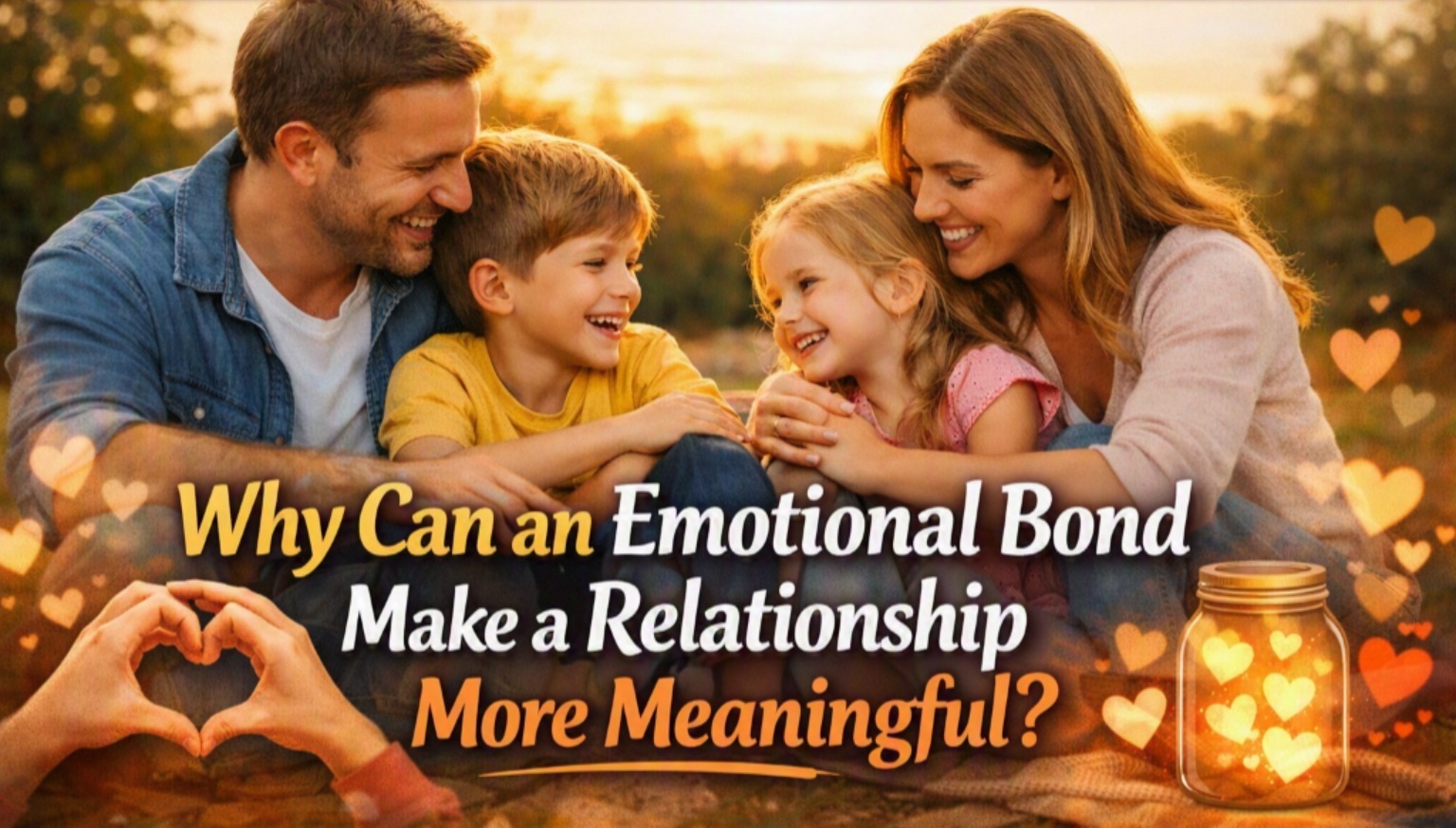
An emotional bond is a strong connection that develops when two people feel understood, valued, trusted, and emotionally safe with each other. In a relationship, this connection can create a deeper sense of closeness than attraction alone because it involves feelings, trust, communication, and shared experiences. A meaningful relationship is not built only through spending time together but also through the quality of the emotional connection between people. When individuals can express themselves honestly and support each other, the relationship often becomes more stable and satisfying. This is why an emotional bond can play an important role in making a relationship more meaningful.
WHAT IS AN EMOTIONAL BOND?
An emotional bond is a sense of closeness that develops when people understand and care about each other's emotional needs. It allows individuals to feel that they can be themselves without constantly worrying about being judged or rejected. This connection usually grows through trust, empathy, honest communication, and consistent support. Unlike a relationship based mainly on physical attraction, an emotional bond focuses more on how two people connect internally. Over time, positive interactions and shared experiences can strengthen this connection.
An emotional bond does not necessarily develop quickly. It often grows gradually as two people learn about each other's personality, values, expectations, and vulnerabilities. Emotional safety is particularly important because people are more likely to open up when they feel respected and accepted. Small actions, such as listening carefully, remembering important details, and offering support during difficult moments, can contribute to a stronger bond.
HOW DOES AN EMOTIONAL BOND CREATE DEEPER CONNECTION?
A strong emotional connection helps people feel genuinely known rather than simply liked. When someone listens to another person's thoughts and feelings, it can create a sense of recognition and acceptance. This experience can make conversations more meaningful because both individuals are willing to share things that go beyond everyday topics. Mutual understanding can also reduce feelings of loneliness within the relationship. As a result, the relationship may feel more personal and emotionally fulfilling.
Emotional closeness can also encourage people to become more comfortable discussing their hopes, fears, problems, and future plans. These conversations allow partners or close individuals to understand each other on a deeper level. When both people respond with empathy rather than immediate criticism, they can build greater confidence in the relationship. Being emotionally available can therefore strengthen the feeling that both individuals are facing life together rather than dealing with everything alone. This shared sense of connection can make ordinary moments feel more valuable.
WHY IS TRUST IMPORTANT IN A MEANINGFUL RELATIONSHIP?
Trust is one of the foundations of a healthy emotional bond because it creates a sense of reliability and security. People are more likely to develop deep connections when they believe that the other person will respect their feelings and maintain appropriate boundaries. Trust is usually built through consistent actions rather than promises alone. Keeping commitments, communicating honestly, and taking responsibility for mistakes can gradually increase trust. Without trust, even strong affection may be accompanied by doubt and insecurity.
A trustworthy relationship also gives people greater freedom to communicate honestly. They can explain their concerns without assuming that every disagreement will lead to rejection or abandonment. Emotional security does not mean that conflict will disappear, but it can make disagreements easier to manage in a respectful way. When people know that differences can be discussed safely, they are more likely to solve problems instead of avoiding them. This process can make the relationship more resilient over time.
HOW DOES EMOTIONAL SUPPORT STRENGTHEN A RELATIONSHIP?
Emotional support allows people to feel that their experiences and feelings matter. Support can take many forms, including listening, offering encouragement, showing compassion, or simply being present during difficult situations. A person does not always need an immediate solution to feel supported. Sometimes, active listening and understanding can be more helpful than giving advice. These simple behaviors can strengthen emotional closeness because they demonstrate genuine care.
Healthy emotional support should also be balanced between both individuals. A meaningful relationship should not require one person to constantly carry the other's emotional burden. Reciprocal support allows both people to give and receive care while maintaining their own boundaries and independence. This balance can prevent emotional closeness from becoming unhealthy dependence. When support is consistent and respectful, it can contribute to a stronger and more satisfying relationship.
CAN SHARED EXPERIENCES MAKE AN EMOTIONAL BOND STRONGER?
Shared experiences can give people memories and stories that become part of their relationship. These experiences may include celebrating achievements, overcoming challenges, traveling, learning something together, or simply spending quality time with one another. Repeated positive interactions can create a stronger feeling of familiarity and connection. Even difficult experiences can sometimes strengthen a relationship when people handle them through cooperation and mutual support. What matters is how the experience is understood and managed by both individuals.
Over time, these shared moments can become meaningful reminders of the relationship's history. They can help people recognize how much they have experienced and learned together. Shared memories may also strengthen a sense of belonging because they represent experiences that are unique to the relationship. However, meaningful relationships do not depend on having extraordinary experiences all the time. Everyday moments of kindness, conversation, laughter, and support can be equally valuable.
DOES AN EMOTIONAL BOND MAKE A RELATIONSHIP LAST LONGER?
An emotional bond can contribute to relationship stability because people may develop stronger reasons to remain connected beyond physical attraction or temporary excitement. A deep connection can help individuals communicate their needs, understand differences, and recover from ordinary conflicts. It may also encourage greater commitment because each person recognizes the emotional value of the relationship. Healthy communication and trust can make it easier to address problems before they become more serious. However, an emotional bond alone does not guarantee that a relationship will last.
Long-lasting relationships also require respect, compatibility, boundaries, effort, and shared responsibility. Emotional closeness can become difficult if one person repeatedly ignores the other's needs or if serious problems remain unresolved. A meaningful relationship is therefore created through ongoing actions rather than feelings alone. Both individuals need to contribute to maintaining a safe and respectful connection. When emotional closeness is combined with these qualities, a relationship has a stronger foundation for growth.
HOW CAN PEOPLE BUILD A STRONGER EMOTIONAL BOND?
Building an emotional bond starts with genuine communication. People can strengthen their connection by listening without constantly interrupting, asking thoughtful questions, expressing appreciation, and sharing their feelings honestly. Showing interest in another person's experiences can demonstrate that their thoughts and emotions are important. It is also useful to respect differences rather than expecting two people to think or behave exactly alike. Consistent small efforts often have a greater impact than occasional dramatic gestures.
Another important step is learning how to manage conflict in a healthy manner. Disagreements are normal, but insults, manipulation, threats, or repeated dismissal of someone's feelings can damage emotional safety. Respectful conflict resolution involves explaining concerns clearly, listening to the other perspective, and looking for solutions that respect both people's needs. Giving each other appropriate personal space is also important because emotional closeness should not eliminate individual independence. By combining trust, empathy, communication, and respect, people can gradually develop a deeper and more meaningful relationship.
CONCLUSION
An emotional bond can make a relationship more meaningful because it creates a deeper sense of understanding, trust, safety, and belonging. It allows people to share their feelings and experiences while knowing that they can receive genuine support. Strong emotional connections can also help individuals communicate more openly and handle challenges with greater cooperation. Nevertheless, emotional closeness needs to be supported by respect, healthy boundaries, communication, and mutual effort. When these elements work together, a relationship can become more than a source of attraction and develop into a meaningful connection that provides lasting emotional value.
About the Author
Gusti Ayu Tita P
Author — STEKOM University
An active author focused on academic issues, educational technology, and human resource development in the campus environment.