
Why Can Childhood Experiences Affect Your Life as an Adult?
Gusti Ayu Tita P
11 September 2026
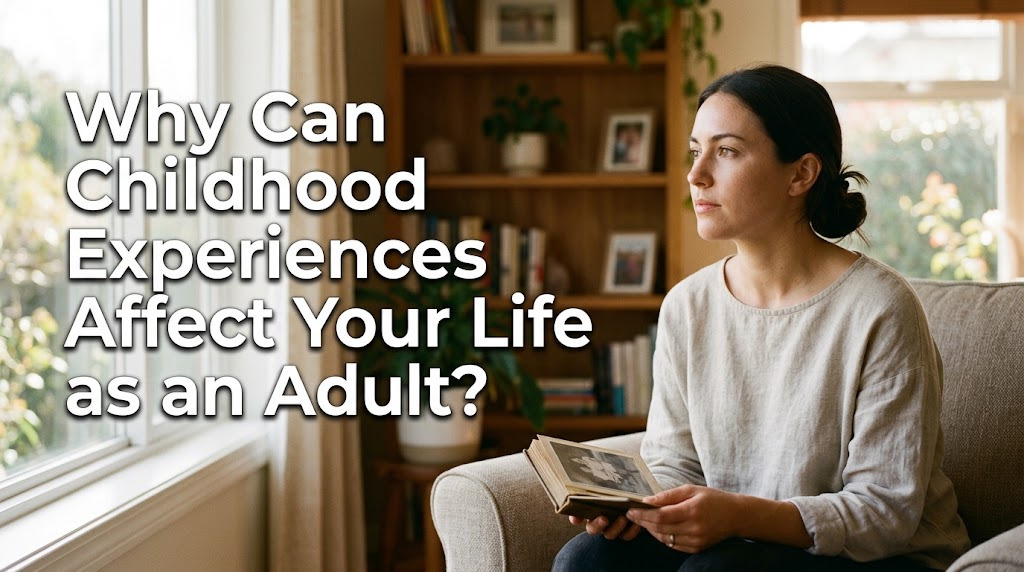
Childhood is an important period of human development because people begin learning about emotions, relationships, communication, and their surroundings during these years. Experiences during childhood can contribute to the way a person develops beliefs, habits, and expectations. This is one reason the concept of the inner child is often discussed when exploring connections between childhood and adult life.
However, childhood does not completely determine how someone will think or behave as an adult. Relationships, education, environment, personality, and experiences later in life can also influence personal development. Understanding the possible effects of childhood experiences can therefore provide useful insight without assuming that every adult difficulty has its origin in the past.
CHILDHOOD EXPERIENCES CAN SHAPE HOW PEOPLE LEARN AND INTERACT
Children learn by observing and interacting with the people around them. Family members, teachers, friends, and other important figures can influence how children learn to communicate, solve problems, and respond to different situations. Positive experiences may encourage confidence and cooperation, while difficult experiences may sometimes create uncertainty or caution.
These early lessons can become part of a person's developing understanding of relationships and social situations. As people grow, they can also learn new skills and adjust their perspectives through different experiences. The influence of childhood is therefore possible but not necessarily permanent.
CHILDHOOD EXPERIENCES AND SELF PERCEPTION
The way people view themselves can develop partly through experiences during childhood. Encouragement, recognition, and supportive relationships may help children develop a positive sense of their abilities. On the other hand, repeated criticism or negative feedback may sometimes contribute to self-doubt.
These early beliefs can change as a person grows and gains new experiences. Self awareness can help people recognize whether certain beliefs still reflect their current situation. Understanding these patterns may encourage greater self acceptance and a more balanced view of personal strengths and limitations.
CHILDHOOD EXPERIENCES AND EMOTIONAL RESPONSES
Childhood is also a period when people learn how to recognize and respond to emotions. The way adults around them handle anger, disappointment, fear, or sadness can provide examples of emotional behavior. These experiences may influence how a person later understands and communicates their own feelings.
Some situations in adulthood may remind people of earlier experiences and produce familiar emotional reactions. This does not mean every strong emotion comes from childhood. Emotional awareness can help a person consider both past experiences and current circumstances when trying to understand a reaction.
BEHAVIOR PATTERNS CAN DEVELOP OVER TIME
Repeated experiences can contribute to habits and patterns of behavior. For example, someone may become accustomed to avoiding conflict, seeking reassurance, or being very cautious in certain situations. Such behaviors may have developed through childhood experiences, but they can also be influenced by later relationships and circumstances.
Behavior patterns are not fixed. People can develop new habits through education, supportive relationships, personal reflection, and new experiences. Recognizing an unhelpful pattern is an opportunity for personal growth rather than a reason to blame oneself or one's childhood.
HOW TO UNDERSTAND THE INFLUENCE OF CHILDHOOD IN A HEALTHY WAY?
Understanding childhood experiences should involve curiosity and balance. People can reflect on memories, emotions, and habits while avoiding assumptions that every current problem has one specific cause. It is also important to recognize positive childhood experiences and the strengths that may have developed from them.
If certain experiences continue to create significant emotional difficulties, talking with a trusted adult or qualified mental health professional can be helpful. Professional support can provide an appropriate space for understanding personal experiences. The goal is to use reflection to support self understanding and healthier choices in the present.
CONCLUSION
Childhood experiences can affect adult life by contributing to beliefs, emotional responses, relationship patterns, and habits developed over time. These influences can be connected to the concept of the inner child, which provides a way to reflect on emotional experiences from childhood. However, childhood is only one part of a person's development.
People continue to change throughout life through new relationships, learning, and personal experiences. By developing self awareness, emotional understanding, and self acceptance, individuals can recognize past influences without allowing them to define their entire identity. A balanced understanding of childhood can support healthier choices and continued personal growth.
About the Author
Gusti Ayu Tita P
Author — STEKOM University
An active author focused on academic issues, educational technology, and human resource development in the campus environment.















