Why Can Community Night Watch Improve Neighborhood Safety?
Gusti Ayu Tita P
18 September 2026
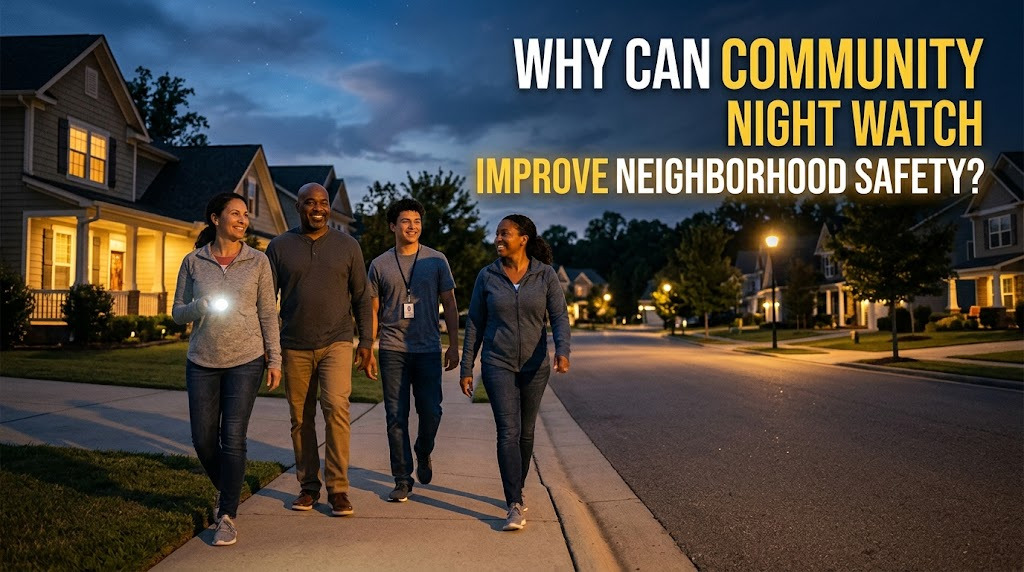
Community Night Watch is a community-based activity that encourages residents to participate in maintaining safety and order in their neighborhood. Through scheduled patrols and environmental monitoring, residents can pay greater attention to what happens around their homes. The activity also creates opportunities for neighbors to communicate and share relevant information. For these reasons, neighborhood watch can support broader efforts to improve local safety.
INCREASING RESIDENT AWARENESS
One way Community Night Watch can improve neighborhood safety is by increasing residents' awareness of their surroundings. During scheduled shifts, volunteers can observe streets, shared areas, and other parts of the neighborhood. Regular observation may help residents notice environmental conditions that require attention. This can encourage faster communication when a situation needs to be reported.
The purpose of this awareness is not to encourage residents to confront suspicious individuals. Volunteers should prioritize their own safety and observe from an appropriate distance. If a serious or dangerous situation occurs, the information can be reported to community leaders or the appropriate authorities. This makes night watch activities more focused on prevention and responsible observation.
HELPING MONITOR THE LOCAL ENVIRONMENT
Regular night patrols provide opportunities for residents to monitor different parts of their neighborhood. Volunteers may notice issues such as inadequate lighting, damaged public facilities, or areas that require maintenance. These observations can be recorded and discussed with other residents. As a result, the community can identify practical improvements that support a safer environment.
Environmental monitoring can also help residents become more familiar with local conditions. When people understand which areas need attention, they can work together to address those concerns. Improvements such as better lighting and well-maintained shared spaces can contribute to neighborhood comfort. In this way, Community Night Watch can support safety through both observation and community awareness.
STRENGTHENING COMMUNICATION AND COOPERATION
Community cooperation is an important part of an effective neighborhood watch program. Residents need to communicate about schedules, environmental concerns, and relevant incidents. Sharing accurate information can help prevent misunderstandings and make community responses more organized. Regular interaction also helps residents become more familiar with one another.
A clear communication system allows important information to reach the right people more efficiently. Community leaders can help coordinate reports and contact appropriate authorities when necessary. Residents who cannot attend a scheduled shift can also communicate with other participants about possible schedule changes. Through cooperation between residents, the night watch program can operate more consistently.
SUPPORTING CRIME PREVENTION EFFORTS
Community Night Watch can support crime prevention by encouraging regular attention to neighborhood conditions. A community that actively monitors its surroundings may be more prepared to recognize situations that require attention. However, residents should not attempt to investigate or confront potentially dangerous situations themselves. The appropriate response is to maintain a safe distance and contact responsible authorities when necessary.
The activity is most effective when combined with other safety measures. Proper lighting, clear communication, maintained facilities, and cooperation with relevant authorities can all contribute to neighborhood security. Community members can discuss these needs through regular meetings and make improvements according to local circumstances. This creates a broader approach to maintaining a safe and orderly neighborhood.
CONCLUSION
Community Night Watch can improve neighborhood safety by increasing awareness, supporting environmental monitoring, strengthening communication, and encouraging community cooperation. Regular patrols give residents an opportunity to pay attention to conditions around their neighborhood and communicate concerns when necessary. The activity can therefore become one part of a wider community safety system.
For the best results, neighborhood watch should be organized with clear schedules, shared responsibilities, and reliable communication. Residents should always prioritize safety and avoid directly confronting dangerous situations. When carried out responsibly, Community Night Watch can support a safer, more aware, cooperative, and orderly neighborhood.
About the Author
Gusti Ayu Tita P
Author — STEKOM University
An active author focused on academic issues, educational technology, and human resource development in the campus environment.