
Why Can Fuel Prices Differ Between Gas Stations?
Gusti Ayu Tita P
17 September 2026
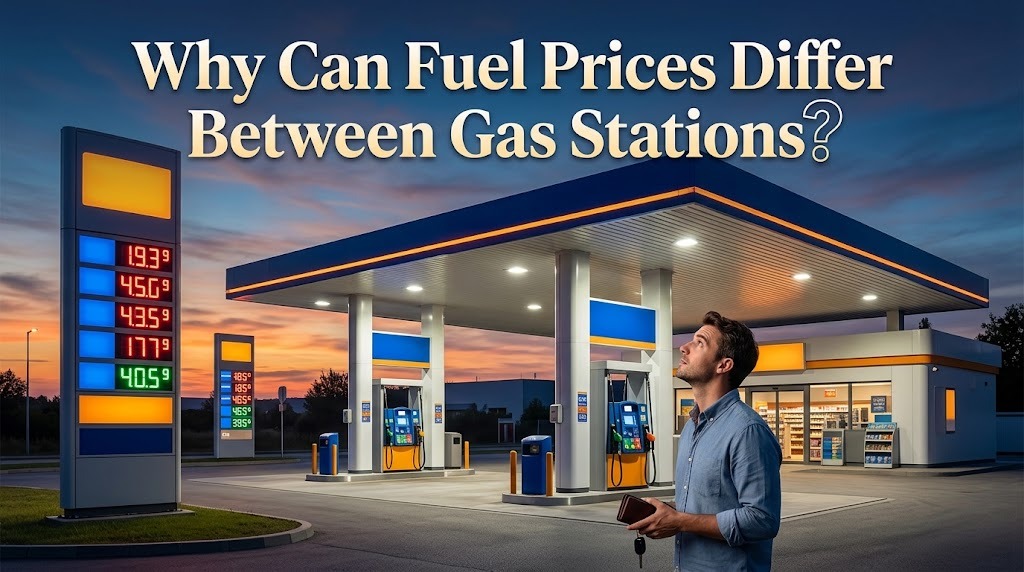
Fuel prices can sometimes be different from one gas station to another, even when the stations are located in the same city. This difference can make drivers wonder why they need to pay more at one station than at another. Fuel prices are influenced by several factors, including fuel costs, taxes, transportation expenses, operating costs, and pricing policies. Understanding these factors can help drivers make better decisions when buying fuel. It also helps consumers understand why fuel prices may change over time.
FACTORS THAT INFLUENCE FUEL PRICES
One of the main factors affecting fuel prices is the cost of crude oil and other raw materials used to produce fuel. When global crude oil prices increase, the cost of producing and distributing fuel can also rise. Exchange rates can also affect prices in countries that import crude oil or refined petroleum products. In addition, government taxes and regulations may influence the final price paid by consumers. These factors can change over time, causing fuel prices to increase or decrease.
Another important factor is the cost of transporting fuel from refineries or storage facilities to individual gas stations. Stations located farther from fuel distribution centers may have higher transportation expenses. Storage, maintenance, electricity, employee wages, and equipment costs can also contribute to the price. Because each station may have different operating expenses, the final price can vary even within the same area.
DIFFERENCES IN GAS STATION OPERATING COSTS
Gas stations do not all have the same operating costs. A station in a busy commercial area may pay higher land rent and property costs than a station in a less expensive location. Stations with larger facilities may also spend more money on electricity, maintenance, security, and employees. These expenses can affect how much a station needs to charge for its products.
The facilities provided by a gas station can also influence its business costs. Some stations offer convenience stores, restrooms, air pumps, car washes, restaurants, or other services. Maintaining these facilities requires additional resources. Therefore, differences in operating expenses can contribute to differences in fuel prices between stations.
LOCATION AND DISTRIBUTION COSTS
The location of a gas station can have a significant effect on fuel prices. Stations in remote areas may face higher distribution costs because fuel has to travel longer distances before reaching the customer. Difficult road conditions, transportation distances, and local infrastructure can increase delivery expenses. These additional costs may eventually be reflected in the retail price.
Competition between nearby gas stations can also affect pricing. When several stations operate close to each other, they may adjust their prices to remain attractive to customers. In areas with fewer stations, there may be less direct competition. However, fuel prices are not determined by location alone because many other economic and regulatory factors are involved.
BRAND AND PRICING POLICIES
Different gas station companies may have different pricing policies. Some companies may set prices based on their operating costs, supply agreements, market conditions, and business strategies. Branded fuel can also involve costs related to quality standards, distribution systems, marketing, and station operations. These factors may contribute to differences between brands.
Some gas stations may provide promotions, loyalty programs, or digital payment discounts that reduce the effective amount paid by customers. A station may appear to have a higher listed price but offer a discount through a specific payment method. For this reason, drivers should consider the final price after applicable promotions rather than comparing only the displayed price.
HOW CUSTOMERS CAN COMPARE FUEL PRICES
Drivers can compare fuel prices by checking official information from fuel providers, government sources, or reliable digital platforms. It is useful to compare prices for the same fuel type because different fuel grades can have different prices. Drivers should also consider the distance to another station because traveling farther just to save a small amount may not provide meaningful savings.
Consumers should also pay attention to fuel quality, station cleanliness, service reliability, and safety. A lower price is not the only factor that matters when choosing where to refuel. Drivers should make sure that the fuel is suitable for their vehicle and that the station follows proper safety procedures. Comparing both price and service can help customers make informed refueling decisions.
CONCLUSION
Fuel prices can differ between gas stations because of oil costs, taxes, transportation expenses, operating costs, location, competition, and company pricing policies. Differences in facilities and distribution expenses can also influence the final price. In addition, promotions and payment discounts may change the actual amount customers pay. Understanding these factors makes it easier for drivers to interpret price differences.
Before refueling, drivers can compare current prices while considering fuel type, vehicle requirements, distance, quality, and safety. By looking at more than just the price displayed on the sign, consumers can make practical and informed choices about where to buy fuel.
About the Author
Gusti Ayu Tita P
Author — STEKOM University
An active author focused on academic issues, educational technology, and human resource development in the campus environment.















