
Why Can Illegal Parking Disrupt Pedestrian Safety?
Gusti Ayu Tita P
29 Agustus 2026
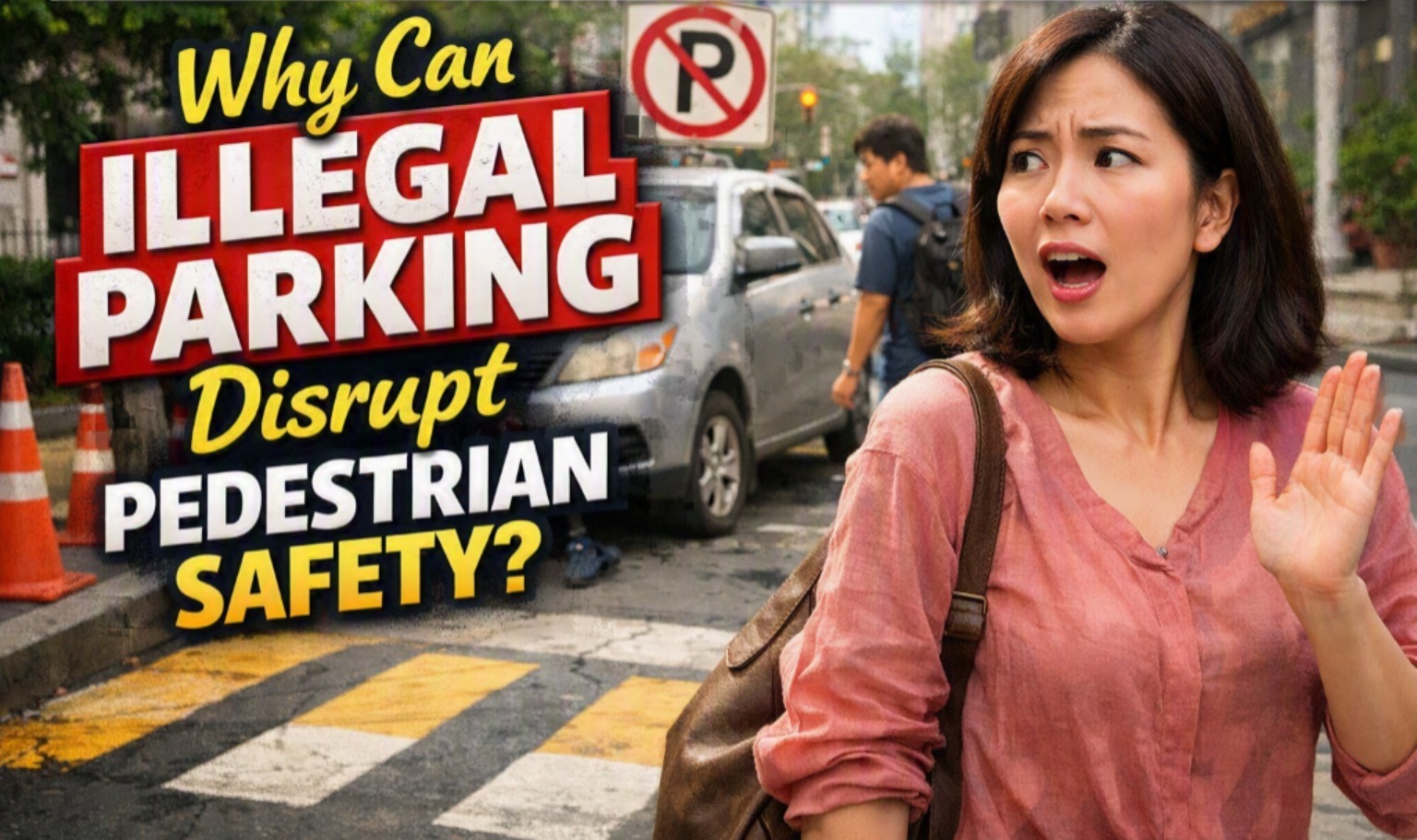
Illegal parking is a common problem in busy urban areas and can create serious risks for people walking along roads. Vehicles parked on sidewalks, pedestrian crossings, road shoulders, or other restricted areas can force pedestrians to change their normal walking paths. This situation may expose them to moving vehicles and increase the possibility of accidents. Therefore, understanding the connection between illegal parking and pedestrian safety is important for creating safer and more orderly streets.
ILLEGAL PARKING CAN BLOCK PEDESTRIAN PATHS
One of the most direct effects of illegal parking is blocking sidewalks and pedestrian paths. When vehicles occupy spaces intended for pedestrians, people may have to walk around the parked vehicle or enter the roadway. This can be especially dangerous on roads with heavy traffic or limited visibility. Children, older adults, and people with disabilities may face even greater difficulties when pedestrian facilities are blocked. As a result, illegal parking can reduce the accessibility and safety of public spaces.
Blocked sidewalks can also make pedestrians take longer or less predictable routes. A person may suddenly move from the sidewalk into the street simply because there is no clear alternative. Drivers may not expect pedestrians to appear in these areas, increasing the risk of collisions. Keeping pedestrian paths clear is therefore an important part of maintaining road safety.
ILLEGAL PARKING INCREASES THE RISK OF ACCIDENTS
Illegal parking can create dangerous interactions between pedestrians and vehicles. When pedestrians are forced onto the road, they become more exposed to moving cars, motorcycles, buses, and other vehicles. The risk becomes higher when parked vehicles block the driver's view of pedestrians. For example, a child crossing from behind a parked car may not be visible to an approaching driver until it is too late.
Illegal parking near pedestrian crossings can also reduce visibility for both drivers and pedestrians. Drivers may have difficulty seeing people who are preparing to cross, while pedestrians may struggle to see approaching vehicles. This combination can make otherwise safe crossing facilities less effective. Maintaining clear sightlines around crossings is essential to reduce preventable traffic incidents.
ILLEGAL PARKING CREATES PROBLEMS FOR VULNERABLE PEDESTRIANS
Not every pedestrian has the same ability to avoid obstacles. People with disabilities, wheelchair users, older adults, and parents pushing strollers may depend heavily on accessible sidewalks and ramps. A vehicle parked across a sidewalk or curb ramp can prevent them from using the designated pedestrian route. They may be forced to find another route or enter an area designed for vehicles.
For these groups, illegal parking is not simply an inconvenience but can become a serious accessibility and safety issue. Blocked ramps and narrow pathways can make ordinary journeys more difficult and unpredictable. Communities should ensure that pedestrian infrastructure remains accessible to everyone. Respecting designated parking restrictions is one simple way to support safer and more inclusive streets.
ILLEGAL PARKING CAN REDUCE ROAD VISIBILITY
Visibility is an important factor in pedestrian safety, particularly at intersections and crossing points. Large vehicles parked too close to corners can obstruct the view of drivers, cyclists, and pedestrians. This makes it harder for road users to recognize potential hazards early. Even when a pedestrian follows the correct crossing procedure, poor visibility can increase the danger.
Parking restrictions around intersections, crossings, and other sensitive areas are often intended to preserve clear lines of sight. Ignoring these restrictions can create blind spots that affect several road users at the same time. Drivers may react too late to pedestrians, while pedestrians may be unable to judge whether a vehicle is approaching. Keeping these areas free from improperly parked vehicles can significantly improve road visibility.
HOW COMMUNITIES CAN REDUCE ILLEGAL PARKING?
Reducing illegal parking requires cooperation between pedestrians, drivers, communities, and local authorities. Drivers should use designated parking spaces and avoid sidewalks, crossings, ramps, and other restricted areas. Communities can support public awareness campaigns that explain how improper parking affects pedestrian safety. Residents can also report recurring violations through appropriate local channels where such reporting systems are available.
Local authorities can strengthen prevention through clear parking regulations, visible signs, consistent enforcement, and better pedestrian infrastructure. Providing sufficient legal parking options can also help reduce pressure on restricted areas. The goal should not only be to punish violations but also to encourage responsible parking habits. With consistent cooperation, streets can become safer and more accessible for pedestrians.
CONCLUSION
Illegal parking can directly disrupt pedestrian safety by blocking sidewalks, reducing visibility, and forcing people into areas shared with moving vehicles. The problem can be particularly serious for vulnerable pedestrians who depend on accessible and unobstructed pathways. Parking near crossings and intersections can also create blind spots that increase the risk of accidents. For this reason, keeping pedestrian facilities clear should be treated as an important part of road safety. Responsible parking, public awareness, reporting, and consistent enforcement can help create safer streets for everyone.
About the Author
Gusti Ayu Tita P
Author — STEKOM University
An active author focused on academic issues, educational technology, and human resource development in the campus environment.















