Why Can Land Tourism Increase Cultural Knowledge?
Gusti Ayu Tita P
17 September 2026
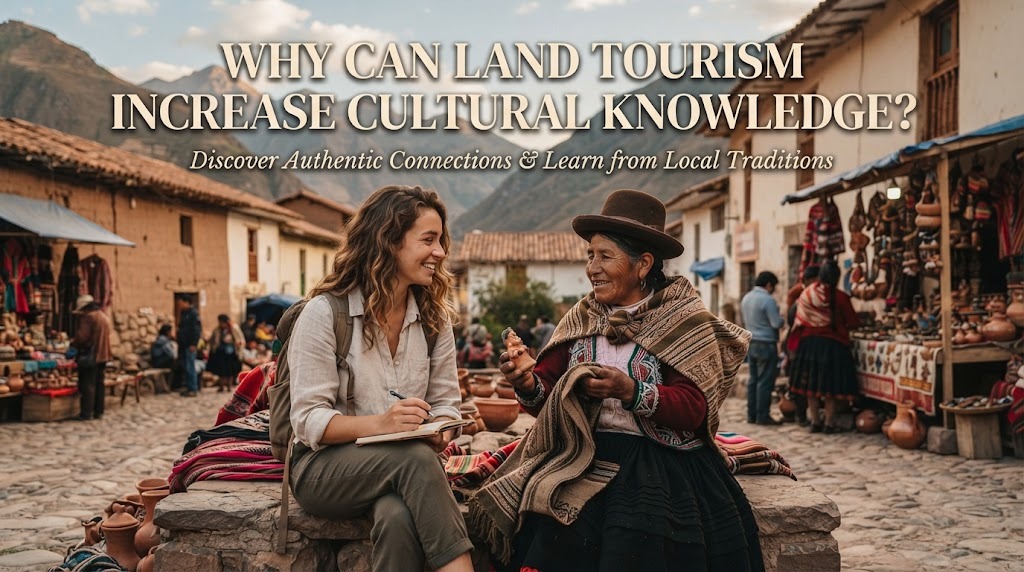
Land tourism is not only about visiting beautiful places but also about discovering the culture and traditions of different communities. Traveling by road, train, or other land transportation allows visitors to explore destinations more closely. During a trip, people can interact with local residents, taste traditional food, and visit historical places. These experiences can provide knowledge that may not be gained from books or online information alone. So, why can land tourism increase cultural knowledge?
PROVIDES DIRECT CULTURAL EXPERIENCES
Land tourism allows travelers to experience local culture directly. Visitors can see how people live, communicate, work, and celebrate traditions in their communities. Direct experiences can make cultural information easier to understand and remember. Travelers may also discover differences in customs between their hometown and the places they visit. This makes travel an opportunity to learn through real experiences.
Visiting a destination also allows people to observe cultural practices in their original environment. For example, travelers may see traditional ceremonies, local markets, handicraft activities, or community events. These experiences can provide a clearer picture of how traditions are maintained. Travelers can gain knowledge while still enjoying their vacation. This combination makes land tourism an effective way to learn about culture.
INTRODUCES LOCAL TRADITIONS
Different destinations often have unique local traditions that have been passed from one generation to another. Travelers can learn about traditional clothing, ceremonies, dances, music, and other cultural practices during their visits. Seeing these traditions directly can help visitors understand their meaning and importance. Local guides or community members can also explain the background of certain traditions. This creates a more meaningful travel experience.
Learning about traditions can also encourage visitors to respect cultural differences. People may discover that practices that seem unfamiliar have important historical or social meanings. Understanding these differences can reduce misunderstandings between visitors and local communities. It can also encourage travelers to behave appropriately when visiting cultural sites or events. Therefore, land tourism can support cultural awareness and respect.
HELPS TRAVELERS DISCOVER TRADITIONAL FOOD
Food is an important part of cultural identity in many communities. Through land tourism, travelers can taste traditional dishes and discover how local ingredients are used. They may also learn about cooking methods and the history behind certain foods. Visiting local markets or restaurants can provide opportunities to communicate with people who prepare and sell traditional dishes. These experiences make cultural learning more enjoyable.
Traditional food can tell stories about a community's environment and history. For example, local ingredients may reflect the crops, climate, or resources available in an area. Some dishes may also be connected to celebrations or important cultural events. By learning about these connections, travelers can understand that food is more than something to eat. It can be an important way to explore local heritage.
ENCOURAGES INTERACTION WITH LOCAL PEOPLE
Land tourism can create opportunities for interaction with local communities. Travelers may talk with residents, shop at local markets, ask for directions, or participate in community activities. These simple interactions can introduce visitors to local communication styles and daily habits. They can also provide information that may not be available in common tourist guides. Conversations with local people can therefore make cultural learning more personal.
Respectful interaction is important when learning about another culture. Travelers should listen carefully, avoid making quick judgments, and respect local customs. Asking polite questions can help visitors understand why certain practices are important to the community. These interactions can also build positive connections between travelers and residents. As a result, tourism can become an opportunity for mutual cultural understanding.
EXPLORES HISTORICAL AND CULTURAL SITES
Land tourism makes it possible to visit historical and cultural sites in different regions. These places may include museums, traditional villages, ancient buildings, monuments, temples, or other heritage locations. Visiting such sites allows travelers to connect physical places with stories from the past. Information from local guides, signs, and museums can help explain the historical background. This makes history more concrete and easier to understand.
Historical sites can also show how communities have changed over time. Travelers may learn about architecture, traditional lifestyles, important events, and the development of local communities. Understanding the past can help visitors appreciate the culture they see in the present. It can also encourage people to support the preservation of cultural heritage. In this way, land tourism can connect history, culture, and travel experiences.
INCREASES APPRECIATION FOR CULTURAL DIVERSITY
Learning about different cultures can increase appreciation for diversity. Travelers may discover that people have different languages, traditions, foods, beliefs, and ways of living. These differences can become valuable lessons when visitors approach them with an open mind. Experiencing cultural diversity directly can make people more aware of the variety that exists within society. It can also encourage greater respect for communities with different backgrounds.
Cultural knowledge does not mean judging one culture as better than another. Instead, it helps travelers understand why communities develop different traditions and lifestyles. This understanding can reduce stereotypes and encourage more respectful behavior. Travelers can return home with new perspectives and stories from the places they visited. Therefore, land tourism can contribute to broader cultural knowledge.
CONCLUSION
Land tourism can increase cultural knowledge because it gives travelers opportunities to learn through direct experiences. Visiting local communities, trying traditional food, observing customs, and exploring historical sites can provide meaningful cultural lessons. Interaction with local people can also help travelers understand everyday life and traditions more deeply. These experiences can encourage respect for cultural diversity and local heritage. With an open mind and respectful attitude, land tourism can become both an enjoyable journey and a valuable cultural learning experience.
About the Author
Gusti Ayu Tita P
Author — STEKOM University
An active author focused on academic issues, educational technology, and human resource development in the campus environment.