
Why Can Study Tours Become An Enjoyable Learning Experience?
Gusti Ayu Tita P
15 September 2026
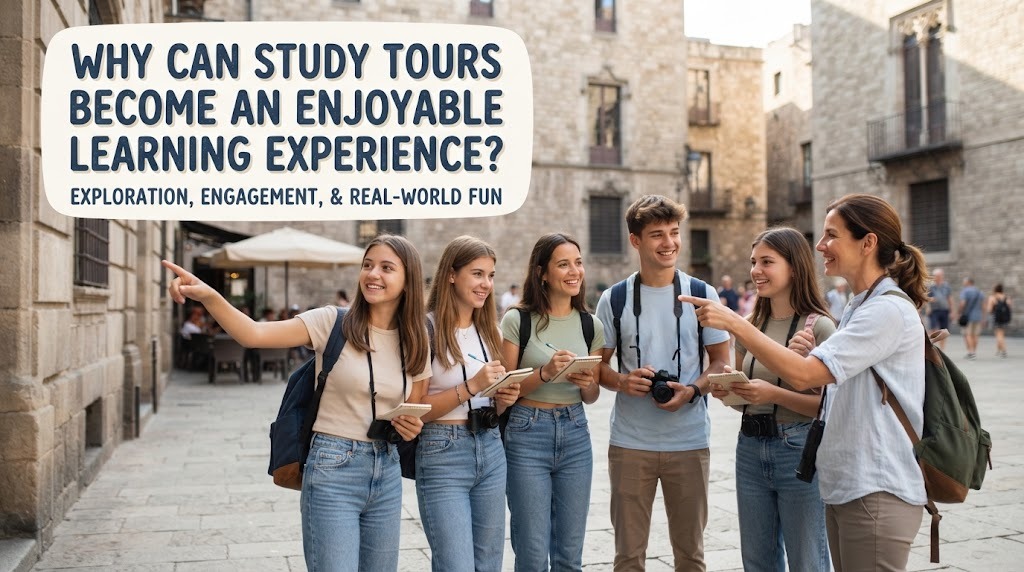
A study tour is an educational activity that allows students to learn outside the regular classroom. Students can visit museums, companies, historical places, cultural sites, or other educational destinations. Unlike ordinary lessons, study tours give students the chance to see and experience things directly. This combination of learning and new experiences can make education more enjoyable and meaningful.
PROVIDING DIRECT LEARNING EXPERIENCES
Study tours allow students to learn through direct experiences instead of only reading textbooks or listening to explanations. They can see real objects, observe activities, and learn from places related to their subjects. This can make difficult information easier to understand. Students may also remember lessons longer because they connect the information with real experiences.
For example, students studying history can visit a museum and see historical objects directly. Students interested in business can visit a company and observe how employees work. Learning becomes more interesting when students can see how classroom knowledge is used in real life.
CREATING A DIFFERENT LEARNING ATMOSPHERE
Studying in the same classroom every day can sometimes feel repetitive for students. A study tour provides a different learning environment where students can explore new places while continuing their educational activities. A new atmosphere can make students feel more excited and interested in learning.
The change of environment can also help students become more active during lessons. They may pay greater attention because the surroundings offer new things to see and discover. A fresh learning atmosphere can reduce boredom and increase students enthusiasm for education.
EXPANDING KNOWLEDGE AND EXPERIENCES
A study tour can introduce students to new knowledge and experiences that may not be fully explained in regular classroom lessons. Students can learn about different professions, cultures, technologies, environments, and historical events. They can also gain information by talking to guides, workers, teachers, or other people at the destination.
These experiences can broaden the way students understand the world. They may discover new interests or become curious about subjects they had never considered before. Learning from different sources can help students develop wider knowledge and a more open perspective.
ENCOURAGING CURIOSITY
New places often make students curious because they contain things they have not seen before. Students may ask questions about how something works, why an event happened, or what makes a place special. This can encourage them to become more active in finding information.
Teachers can support this curiosity by giving students observation tasks or questions to answer during the visit. Students can then discuss their findings with their classmates. Curiosity can turn a simple visit into an active learning experience.
MAKING LEARNING MORE INTERACTIVE
Study tours can provide opportunities for students to participate in interactive learning activities. They may observe demonstrations, join workshops, complete group tasks, conduct interviews, or take notes about what they see. These activities allow students to participate rather than simply listen.
Interactive activities can also help students understand information from different perspectives. They can discuss their observations and compare their ideas with their classmates. Active participation can make lessons more enjoyable and easier to remember.
BUILDING SOCIAL CONNECTIONS
Study tours are often conducted in groups, giving students more opportunities to communicate with their classmates. They can work together, share responsibilities, and help each other during activities. This can improve communication and teamwork skills.
Students may also interact with teachers, tour guides, employees, and other people at the destination. These interactions can help students become more confident when communicating with others. Social experiences can make the study tour enjoyable while developing important interpersonal skills.
COMBINING EDUCATION WITH FUN
One reason study tours can be enjoyable is that they combine education and recreation. Students can learn important information while also exploring new places and spending time with their friends. This balance can make educational activities feel less stressful and more enjoyable.
However, the fun should still support the purpose of the trip. Activities should be planned so students can enjoy themselves while gaining useful knowledge. When education and enjoyable activities are balanced well, students can learn without feeling that learning is a burden.
CREATING MEMORABLE EXPERIENCES
A study tour can create memorable learning experiences because students are involved in activities outside their normal routine. Visiting a special place, seeing something new, or completing an activity with classmates can become a meaningful memory. These experiences may help students remember the lessons connected to the trip.
Memorable experiences can also increase students' interest in future learning activities. When students associate education with positive experiences, they may become more willing to participate. Positive memories can make learning feel more meaningful and enjoyable.
DEVELOPING INDEPENDENCE AND CONFIDENCE
Study tours can also help students become more independent and confident. They may need to manage their belongings, follow schedules, communicate with others, and complete tasks during the trip. These responsibilities encourage students to become more prepared and responsible.
Students can also learn how to adapt to unfamiliar environments. When they successfully complete activities outside their usual routine, their confidence may grow. Small challenges during a study tour can provide valuable opportunities for personal development.
CONCLUSION
Study tours can become an enjoyable learning experience because they offer direct learning, a different environment, interactive activities, and new experiences. They allow students to connect classroom lessons with real situations while developing communication, teamwork, curiosity, independence, and confidence. The combination of education and enjoyable activities can make learning more meaningful.
With good planning and suitable destinations, a study tour can provide both educational value and positive memories. It is not simply a trip, but an opportunity for students to learn, explore, interact, and enjoy the learning process.
About the Author
Gusti Ayu Tita P
Author — STEKOM University
An active author focused on academic issues, educational technology, and human resource development in the campus environment.















