
Why Can Study Tours Improve Students Social Skills?
Gusti Ayu Tita P
15 September 2026
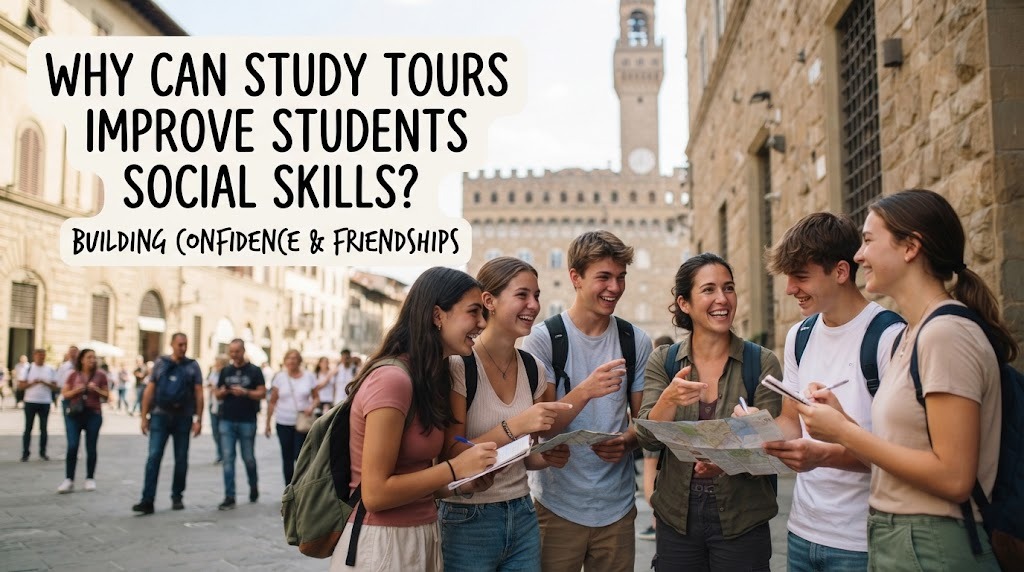
A study tour gives students opportunities to learn and interact with others outside the normal classroom environment. During a trip, students often communicate with classmates, teachers, guides, workers, and people in new places. These interactions can help them practice important social skills in real situations. Through direct experiences, students can become more confident, cooperative, and respectful when communicating with others.
IMPROVING COMMUNICATION SKILLS
Study tours create many opportunities for students to practice communication skills. They may need to talk with classmates, ask questions, listen to explanations, or communicate with teachers and guides. These activities encourage students to express their thoughts more clearly.
Students also learn that effective communication requires both speaking and listening. They need to pay attention when someone gives instructions or explains something. Regular communication during a study tour can help students become more comfortable when interacting with other people.
ENCOURAGING TEAMWORK
Many study tour activities are completed in groups, making teamwork an important part of the experience. Students may need to work together to complete assignments, answer questions, or observe specific information. Each member can have a different responsibility within the group.
Working together teaches students that successful activities often require cooperation. They learn to share ideas, divide tasks, and support classmates who need help. Teamwork experiences can prepare students for group activities at school, college, and future workplaces.
TEACHING STUDENTS TO RESPECT OTHERS
Students meet people with different personalities, opinions, and backgrounds during a study tour. These interactions can teach them the importance of respecting other people. Students learn to listen when others are speaking and avoid behaviors that may disturb or offend others.
They may also encounter different customs and ways of communicating. Understanding these differences can help students become more open-minded. Respectful behavior is an important social skill that supports healthy relationships with others.
BUILDING STUDENT CONFIDENCE
Some students may feel nervous when speaking to unfamiliar people. A study tour provides a safe opportunity to practice social interaction and confidence in real situations. For example, students may need to ask a guide a question or communicate with staff at the destination.
After successfully completing these interactions, students may feel more confident about communicating. Repeated experiences can gradually reduce fear or hesitation. Greater confidence can encourage students to participate more actively in social and educational activities.
DEVELOPING PROBLEM SOLVING THROUGH GROUP WORK
Unexpected situations can occur during a study tour, such as changes in schedules or difficulties with group assignments. Students may need to discuss the situation and find a solution together. This develops both problem solving and communication skills.
Students learn to listen to different ideas before deciding what to do. They may also discover that disagreements can be handled through calm discussion. Solving problems together teaches students how to cooperate even when situations are challenging.
ENCOURAGING STUDENTS TO HELP EACH OTHER
A study tour can encourage students to become more supportive of their classmates. They may help someone carry an item, explain an instruction, share information, or find a meeting point. Small acts of assistance can strengthen relationships within the group.
Helping others also teaches students to notice when someone needs support. They learn that cooperation is not only about completing their own tasks. A supportive attitude can create stronger connections and a more positive group environment.
DEVELOPING ADAPTABILITY
Study tours often place students in new environments that may be different from their everyday surroundings. They need to adapt to unfamiliar places, schedules, activities, and social situations. This can teach students how to remain flexible when conditions change.
Students may also meet people who communicate or behave differently from those they usually interact with. Learning to respond appropriately can improve their social awareness. Adaptability helps students become more comfortable when facing new people and situations.
STRENGTHENING SOCIAL RELATIONSHIPS
Spending time together outside the classroom can help students build stronger relationships with classmates. Shared experiences, group activities, and conversations can create opportunities to understand each other better. Students who rarely interact at school may discover common interests during the trip.
These experiences can also encourage students to communicate with classmates outside their usual friendship groups. As a result, the class can become more connected. Positive social relationships can support cooperation and create a healthier learning environment.
IMPROVING LISTENING AND EMPATHY
Social skills are not only about speaking. Students also need to learn how to listen and understand other people's feelings or perspectives. During a study tour, they may hear different opinions from classmates, teachers, guides, and other people.
Listening carefully helps students respond appropriately instead of reacting too quickly. It can also help them understand why other people may have different thoughts or needs. Good listening and empathy are important foundations for positive communication.
CONCLUSION
Study tours can improve students' social skills by giving them real opportunities to communicate, cooperate, and interact with different people. Students can develop communication, teamwork, confidence, respect, adaptability, problem solving, and empathy through various activities during the trip. These skills are useful not only at school but also in everyday life and future workplaces.
A study tour can therefore be more than an educational visit. It can become a practical environment where students learn how to interact responsibly and positively with others. With proper guidance, these experiences can support both academic learning and social development.
About the Author
Gusti Ayu Tita P
Author — STEKOM University
An active author focused on academic issues, educational technology, and human resource development in the campus environment.