
Why Communication Skills Matter for Competent Employees?
Gusti Ayu Tita P
15 Oktober 2026
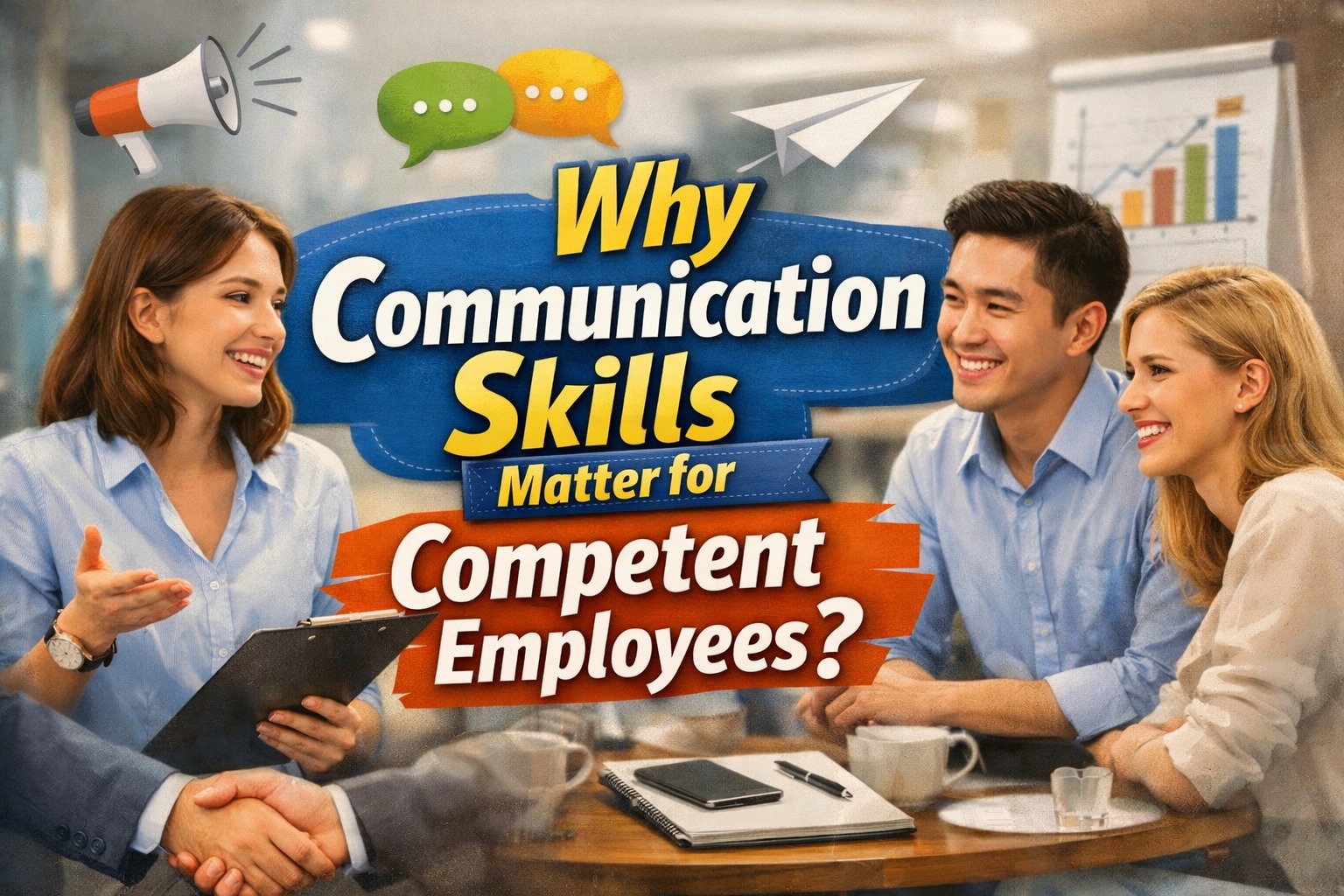
Communication is one of the most valuable abilities in today's workplace. Employees with strong communication skills can express ideas clearly, understand instructions accurately, and build positive relationships with colleagues and clients. These abilities support teamwork, productivity, and professional growth, making communication an essential part of employee competence.
As workplaces become more collaborative and technology-driven, employers increasingly seek individuals who can communicate effectively in different situations. Whether speaking in meetings, writing emails, or solving workplace problems, effective communication helps employees perform their responsibilities with confidence and professionalism.
THE ROLE OF COMMUNICATION IN WORKPLACE SUCCESS
Communication allows employees to share information, coordinate tasks, and avoid misunderstandings. When messages are delivered clearly, teams can complete projects more efficiently and reduce costly mistakes. Good communication also creates a smoother workflow because everyone understands their responsibilities and expectations.
Beyond daily operations, communication strengthens trust among coworkers and managers. Employees who listen carefully, ask relevant questions, and provide constructive feedback contribute to a healthier work environment. This ability encourages collaboration and helps organizations achieve long-term success.
HOW COMMUNICATION IMPROVES EMPLOYEE COMPETENCE?
A competent employee is not only skilled in technical tasks but also capable of communicating effectively with others. Clear communication supports better decision-making because employees can exchange ideas openly and solve problems together. It also helps individuals adapt to new challenges by seeking information and learning from experienced colleagues.
Communication skills improve confidence in professional settings. Employees who can present ideas, explain solutions, and participate in discussions often become valuable contributors within their organizations. As a result, they gain more opportunities for career advancement and leadership roles.
KEY COMMUNICATION SKILLS EVERY EMPLOYEE SHOULD DEVELOP
Several communication skills are essential for becoming a competent employee. Active listening enables employees to understand information before responding, reducing confusion and improving collaboration. Clear speaking allows ideas to be delivered accurately, while professional writing ensures emails, reports, and messages remain organized and easy to understand.
Another important skill is nonverbal communication, including eye contact, facial expressions, and body language. These signals often reinforce spoken messages and help build trust. Employees should also develop empathy, allowing them to understand different perspectives and communicate respectfully in diverse workplaces.
BENEFITS OF STRONG COMMUNICATION SKILLS
Employees with excellent communication skills often experience stronger workplace relationships. They can resolve conflicts professionally, collaborate with different departments, and create positive interactions with customers. These benefits contribute to a more productive and supportive work environment.
Organizations also benefit from effective communication. Better teamwork leads to faster project completion, improved innovation, and higher employee satisfaction. Companies with strong communication cultures often experience increased efficiency because employees work toward shared goals with greater clarity.
COMMON COMMUNICATION CHALLENGES IN THE WORKPLACE
Even skilled professionals may encounter communication challenges. Misunderstandings often occur when instructions are unclear, feedback is incomplete, or assumptions replace direct conversations. These issues can reduce productivity and create unnecessary conflict among team members.
Fortunately, these challenges can be minimized through consistent communication practices. Employees should confirm important information, ask questions when clarification is needed, and provide timely updates on their work. Maintaining respectful and honest communication helps prevent many workplace problems before they become serious.
TIPS TO IMPROVE COMMUNICATION SKILLS
Improving communication requires regular practice and self-awareness. Employees should focus on active listening, organize their thoughts before speaking, and communicate with confidence while remaining respectful. Reading professional materials and expanding vocabulary can also strengthen communication abilities over time.
Seeking constructive feedback is another effective strategy. Managers and coworkers can provide valuable suggestions for improvement, helping employees refine both verbal and written communication. Continuous learning ensures communication skills remain relevant as workplace demands continue to evolve.
CONCLUSION
Communication skills are a fundamental characteristic of competent employees because they support collaboration, productivity, and professional development. Employees who communicate clearly, listen actively, and build positive relationships contribute more effectively to organizational success. By continuously improving communication abilities, individuals increase their career opportunities while helping create a more efficient and collaborative workplace.
About the Author
Gusti Ayu Tita P
Author — STEKOM University
An active author focused on academic issues, educational technology, and human resource development in the campus environment.