Why Do Consumers Choose Fake Products Over Original Products?
Gusti Ayu Tita P
26 Agustus 2026
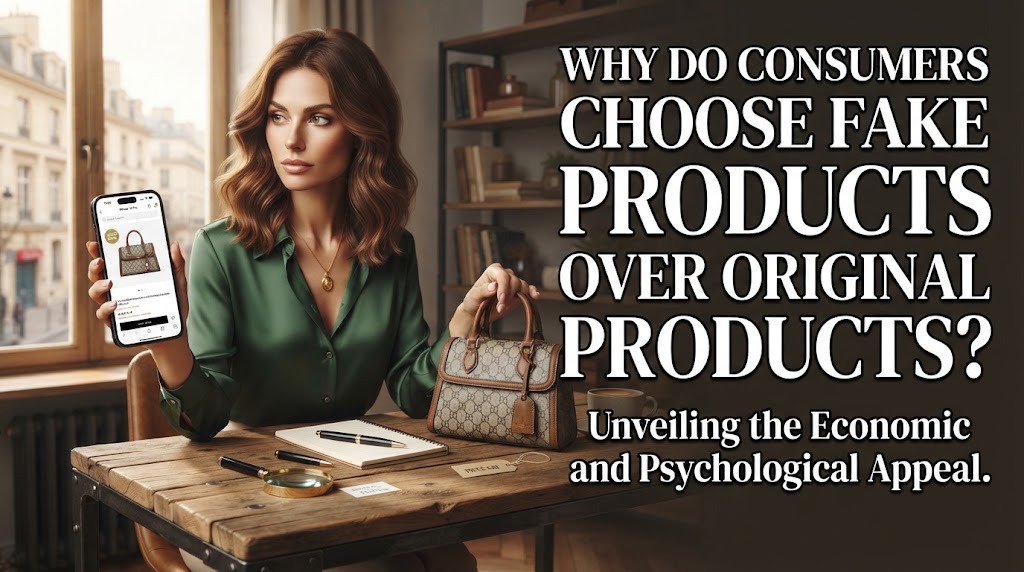
Consumers have many reasons for choosing fake products instead of original products. The decision is not always based only on price, because personal preferences, social influences, product appearance, and purchasing habits can also affect consumer behavior. Counterfeit products are often designed to look similar to popular brands while being offered at lower prices. For some buyers, this combination makes fake products appear attractive and accessible. Understanding why consumers make this choice can help businesses and consumers better understand the problem of counterfeit goods.
LOWER PRICES ATTRACT CONSUMERS
One of the main reasons consumers choose fake products is the lower price. Original products from established brands often cost more because their prices reflect materials, research and development, quality control, marketing, distribution, and customer support. Fake products can be produced and sold at lower costs because counterfeit manufacturers may use cheaper materials and avoid some legitimate business expenses. This allows sellers to offer imitation products at prices that are easier for many consumers to afford. For buyers with limited budgets, the price difference can strongly influence their purchasing decisions.
Low prices can be especially attractive when consumers want products that look expensive without paying the full price. A counterfeit handbag, shoe, watch, or accessory may provide a similar appearance at a fraction of the cost. Consumers may focus more on appearance and affordability than authenticity, particularly when they believe the differences are difficult to notice. However, lower prices can also come with reduced quality, shorter durability, and limited consumer protection.
DESIRE TO FOLLOW POPULAR TRENDS
Fashion and consumer trends can strongly influence purchasing decisions. When a particular brand or product becomes popular, consumers may want to own something that reflects the current trend. Fake products can provide a cheaper way to imitate popular styles without requiring the same financial commitment as genuine products. This is particularly common with products that are heavily promoted through social media and online marketplaces.
Trends can also change quickly, making consumers less willing to spend a large amount of money on a product they may not use for a long time. A cheaper imitation may seem practical for someone who wants to follow a trend temporarily. Fast-changing trends can therefore increase interest in inexpensive alternatives, although consumers should still understand whether an item is authentic before buying it.
THE APPEARANCE MAY LOOK SIMILAR
Some counterfeit products are designed to closely imitate the appearance of genuine goods. They may copy colors, logos, patterns, packaging, shapes, and general designs to make the product look familiar. When consumers cannot easily identify the differences, they may believe that the imitation provides similar value. This can make fake products attractive, especially when purchasing decisions are based mainly on visual appearance.
Online shopping can make this situation more complicated. Buyers often see photographs rather than the actual product and may not notice differences in materials or construction. Professional photos and carefully written descriptions can make counterfeit products appear more convincing. Consumers should therefore research sellers and product details instead of relying only on appearance.
LIMITED PURCHASING POWER
A consumer's financial situation can influence the type of products they choose. Some people may want the appearance or functionality associated with a particular brand but cannot comfortably afford the original product. A cheaper counterfeit may appear to provide access to a desired product at a lower financial cost. This does not mean every consumer with a limited budget will buy fake products, but affordability can be an important factor in the decision.
There are also legitimate alternatives for consumers with limited budgets. Discounted products, older models, second-hand goods, generic products, and lesser-known brands can provide value without falsely copying another company's identity. Affordable alternatives do not have to be counterfeit. Consumers can compare these options before deciding how to spend their money.
SOCIAL MEDIA INFLUENCES PURCHASING DECISIONS
Social media has changed how consumers discover and evaluate products. Influencers, content creators, advertisements, livestreams, and user-generated reviews can make certain products popular within a short period. Social media exposure can increase demand for products that consumers see repeatedly online, including counterfeit versions of popular goods. The constant visibility of trends can encourage people to purchase items they might not otherwise consider.
However, social media popularity does not prove product authenticity. Some sellers may use professional-looking accounts, copied product images, or promotional content to create an impression of credibility. Consumers should verify information through official brand channels and reliable sellers before making an expensive purchase. Taking time to investigate can reduce the risk of buying an imitation product.
CONSUMERS MAY NOT REALIZE THE PRODUCT IS FAKE
Not every person who buys a counterfeit product knows that it is counterfeit. Some sellers deliberately create listings that make fake goods appear genuine. Misleading descriptions, copied photographs, and deceptive seller claims can prevent consumers from recognizing the problem before purchase. In these situations, the consumer may believe they are buying an original product at a good price.
This is why consumers should carefully investigate products before making a purchase. Checking the seller, comparing prices, reviewing product details, and looking for official authentication methods can help identify suspicious offers. A surprisingly low price combined with several other warning signs deserves extra caution. Consumers should also keep purchase records in case a product turns out to be counterfeit.
CONCLUSION
There are many reasons why consumers choose fake products over original products, including lower prices, changing trends, limited purchasing power, attractive appearances, social media influence, and easy online access. Some buyers may believe counterfeit goods offer good value, while others may not realize that the products are fake. These factors show that consumer behavior is influenced by both economic and social considerations.
Consumers can reduce the demand for counterfeit products by making informed purchasing decisions. Checking sellers, comparing prices, verifying product information, and considering legitimate affordable alternatives can help buyers avoid counterfeit goods. Original products may cost more, but they often provide better quality, warranty support, safety, and long-term value. Ultimately, understanding the reasons behind counterfeit purchases can help create a more responsible and trustworthy marketplace.
About the Author
Gusti Ayu Tita P
Author — STEKOM University
An active author focused on academic issues, educational technology, and human resource development in the campus environment.