Why Do Public Facilities Affect Urban Development?
Gusti Ayu Tita P
18 September 2026
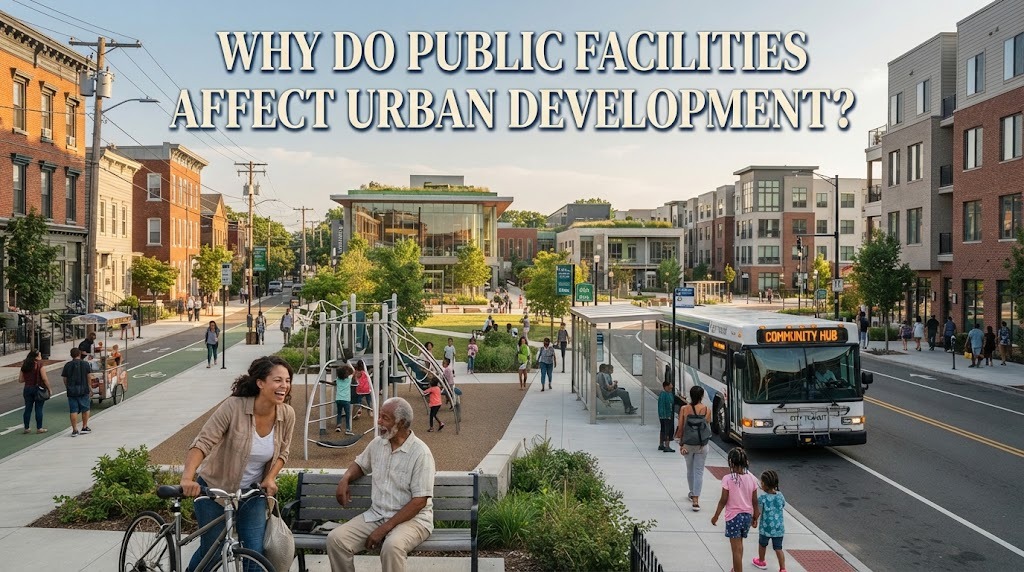
Urban development is closely connected to the quality of facilities available to people. Public facilities such as roads, public transportation, schools, hospitals, parks, and sanitation systems support many daily activities. When these facilities are planned and maintained properly, cities can become more comfortable, accessible, safe, and productive. Good facilities also help communities grow and support local economic activities. Therefore, public facilities are an important part of successful urban development.
SUPPORTING DAILY URBAN ACTIVITIES
Public facilities make daily activities easier for people living in cities. Roads and public transportation help residents travel to schools, workplaces, markets, and other important places. Schools and healthcare facilities provide services that communities need regularly. Public parks and other open spaces also give people places to rest, exercise, and interact with others. When these facilities work well, people can use their time and resources more efficiently.
Good facilities can also reduce difficulties caused by poor infrastructure. For example, reliable transportation can make commuting easier and improve connections between different parts of a city. Clean public toilets, waste collection systems, and safe pedestrian paths can improve the daily experience of residents. These services may seem simple, but they have an important role in supporting urban life.
IMPROVING MOBILITY AND ACCESS
Transportation facilities are important because cities often have large populations spread across different areas. Public transportation, roads, sidewalks, and bicycle paths can connect residential areas with schools, offices, shopping areas, and public services. Better connections allow people to reach important destinations more easily. This can also help residents access more education and employment opportunities. As a result, transportation infrastructure can influence how different areas of a city develop.
Accessibility should also consider people with different physical abilities and needs. Accessible public facilities can include ramps, suitable sidewalks, accessible toilets, and transportation options that are easier to use. When facilities are designed for wider groups of people, more residents can participate in education, work, business, and community activities. This supports a more inclusive pattern of urban growth.
SUPPORTING LOCAL ECONOMIC GROWTH
Public facilities can create conditions that support local economic activities. Good roads and transportation systems help workers reach their jobs and allow businesses to move goods more efficiently. Markets, public spaces, and commercial areas can also attract customers and encourage economic interaction. When an area becomes easier to reach, businesses may have better opportunities to serve the surrounding community. This makes infrastructure an important support for urban economic development.
Small businesses can also benefit from well-maintained public spaces and reliable services. For example, clean streets and accessible transportation can make shopping areas more comfortable for visitors. Stable water, electricity, sanitation, and communication services can help businesses operate more effectively. In this way, public facilities can support both employment and local business activity.
IMPROVING EDUCATION AND HEALTHCARE ACCESS
Education and healthcare are important parts of urban development because they influence the quality of life and capabilities of residents. Schools, universities, clinics, and hospitals need proper infrastructure to serve communities effectively. Easy access to these facilities can reduce barriers for people who need education or healthcare services. Good public transportation can also make these services easier to reach. This helps cities develop communities with better access to essential services.
The location and quality of facilities are also important. If schools and healthcare centers are concentrated only in certain areas, residents in other parts of the city may have more difficulty reaching them. Balanced facility planning can help provide services across different communities. This approach can support more equal access and reduce gaps between urban areas.
CREATING SAFER AND HEALTHIER CITIES
Public facilities can influence urban safety and public health. Street lighting, pedestrian paths, traffic systems, drainage, and emergency facilities can help reduce risks in public areas. Waste management and sanitation systems can also support cleaner surroundings. Well-maintained parks provide spaces for physical activity and recreation. Together, these facilities contribute to a healthier and safer urban environment.
Poorly maintained facilities can create different problems. Damaged sidewalks may increase the risk of accidents, while blocked drainage can contribute to flooding during heavy rain. Poor waste management can create unpleasant conditions and environmental concerns. Regular facility maintenance is therefore necessary to keep public infrastructure useful and safe. Maintaining existing facilities can also prevent small problems from becoming more expensive repairs.
ENCOURAGING SOCIAL INTERACTION
Public facilities are not only useful for transportation and basic services. Parks, public squares, community centers, libraries, and recreational areas can become places where residents meet and interact. These spaces can support community events, exercise, recreation, and informal conversations. Regular interaction can help people build relationships within their neighborhoods. This can contribute to stronger community participation.
Well-designed public spaces should be comfortable and accessible to different groups. Children, older adults, workers, families, and people with disabilities may use public spaces in different ways. Providing facilities that respond to these needs can make urban areas more welcoming. Inclusive public spaces can therefore support both social connection and community life.
SUPPORTING SUSTAINABLE URBAN DEVELOPMENT
Public facilities also have a connection with sustainable urban development. Efficient public transportation can provide an alternative to using private vehicles for every trip. Parks and green spaces can provide areas for recreation while adding natural elements to urban environments. Proper waste and water management can help cities use resources more responsibly. These facilities can support urban growth while considering environmental needs.
Sustainable planning also means thinking about the future. Cities need facilities that can continue serving growing populations and changing community needs. Long-term planning, regular maintenance, accessibility, and efficient resource use can help public facilities remain useful. This allows urban development to continue without putting unnecessary pressure on people or the environment.
CONCLUSION
Public facilities affect urban development because they support mobility, economic activity, education, healthcare, safety, social interaction, and environmental quality. Good facilities can make cities easier to live in and create better opportunities for residents. They also help connect different areas and improve access to important services. However, facilities need proper planning, maintenance, and accessibility to provide lasting benefits. By developing public facilities responsibly, cities can support more inclusive, comfortable, and sustainable urban growth.
About the Author
Gusti Ayu Tita P
Author — STEKOM University
An active author focused on academic issues, educational technology, and human resource development in the campus environment.