
Why Do Some People Believe in Reincarnation?
Gusti Ayu Tita P
9 September 2026
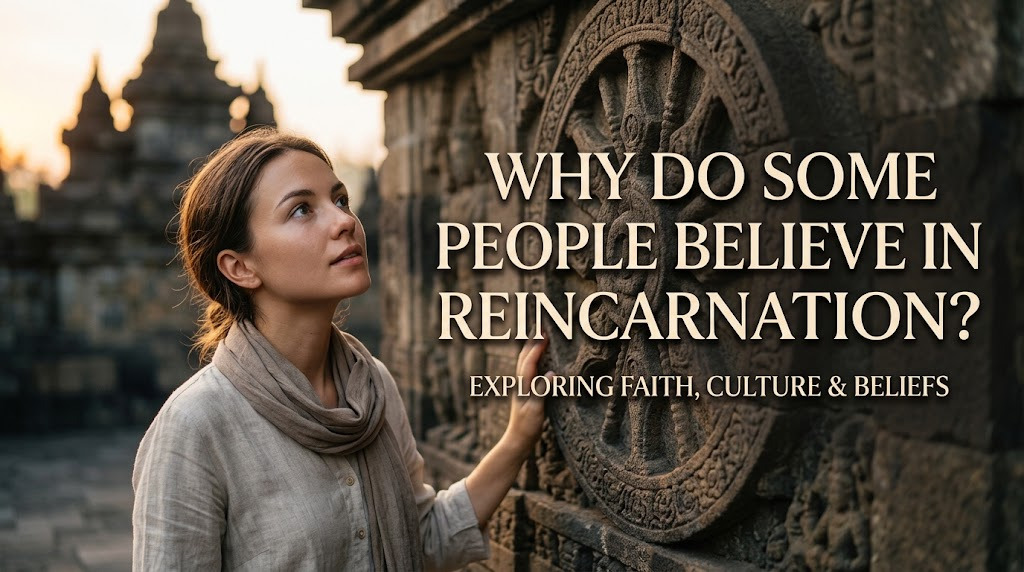
Reincarnation is a belief that a person may experience another existence after death. This idea has been present in various religions, cultures, and spiritual traditions for centuries. Although not everyone accepts reincarnation, many people find the concept meaningful when thinking about life, death, morality, and the possibility of Past Lives.
People may believe in reincarnation for different reasons. Religious teachings, cultural traditions, personal experiences, and philosophical ideas can all influence how someone understands Rebirth. Examining these factors can help explain why the belief remains influential in many parts of the world.
RELIGIOUS AND SPIRITUAL BELIEFS
One major reason people believe in Reincarnation is religious teaching. In Hindu traditions, reincarnation is connected with samsara, karma, and the journey toward spiritual liberation. Buddhist traditions also include the concept of rebirth, although the explanation differs from the idea of an unchanging soul moving between bodies.
Spiritual beliefs can also provide people with a framework for understanding what happens after death. The idea that existence continues may give some individuals a sense of meaning and encourage them to think about their actions. For believers, Karma can also provide an explanation for why ethical behavior and personal responsibility matter.
CULTURAL TRADITIONS AND FAMILY INFLUENCE
Culture can strongly influence a person's beliefs about life and death. When ideas about Rebirth are passed from parents, communities, religious teachers, or traditional stories, they can become an important part of a person's worldview. Festivals, rituals, folklore, and religious practices may also reinforce these ideas.
Growing up in a community where reincarnation is widely accepted can make the concept feel familiar and meaningful. On the other hand, people raised in cultures with different views of the afterlife may interpret the same experiences differently. This shows that beliefs about Past Lives are often connected to the cultural environment in which people live.
PERSONAL EXPERIENCES AND STORIES
Some people become interested in reincarnation because of personal experiences that they find difficult to explain. These may include recurring dreams, strong feelings of familiarity, or stories about individuals who claim to remember a previous life. Such experiences can encourage people to explore the possibility of Reincarnation.
Stories shared by other people can also influence belief. Accounts of unusual memories or experiences may appear convincing to those who hear them, particularly when the details seem difficult to explain. However, an interesting story does not automatically establish that reincarnation is real. Personal experiences should be considered alongside other possible psychological, cultural, and environmental explanations.
THE SEARCH FOR MEANING AND LIFE AFTER DEATH
Another reason some people believe in reincarnation is the desire to understand what happens after death. Questions about human existence and the meaning of life have been discussed throughout history. For some individuals, reincarnation offers a way to imagine existence as a continuing process rather than something that completely ends with one lifetime.
The belief can also provide a framework for understanding personal growth and responsibility. Some spiritual traditions view each existence as part of a broader journey toward Spiritual Growth or liberation. This perspective can make the idea of reincarnation meaningful even when people interpret it primarily as a spiritual or philosophical concept.
DIFFERENCES IN HOW PEOPLE UNDERSTAND REINCARNATION
Not everyone who believes in reincarnation understands it in exactly the same way. Some view it as a literal process in which an individual is born again, while others interpret it more symbolically or spiritually. Religious traditions also differ in their explanations of the relationship between Karma, rebirth, consciousness, and liberation.
At the same time, reincarnation remains a subject of debate because scientific evidence has not established it as a confirmed fact. People can therefore approach the topic from religious, cultural, philosophical, or scientific perspectives. Maintaining Critical Thinking allows individuals to respect different beliefs while distinguishing personal interpretation from established evidence.
CONCLUSION
Some people believe in reincarnation because of religious teachings, cultural traditions, personal experiences, and the desire to understand life after death. Concepts such as Karma, Rebirth, and Past Lives have influenced how different communities think about morality and human existence.
Although reincarnation remains an important spiritual belief for many people, interpretations vary widely. Understanding the cultural and religious background behind the belief can provide a more balanced view of why Reincarnation continues to be meaningful to people around the world.
About the Author
Gusti Ayu Tita P
Author — STEKOM University
An active author focused on academic issues, educational technology, and human resource development in the campus environment.















