
Why Emotional Validation Matters More Than Toxic Positivity
Gusti Ayu Tita P
29 Juli 2026
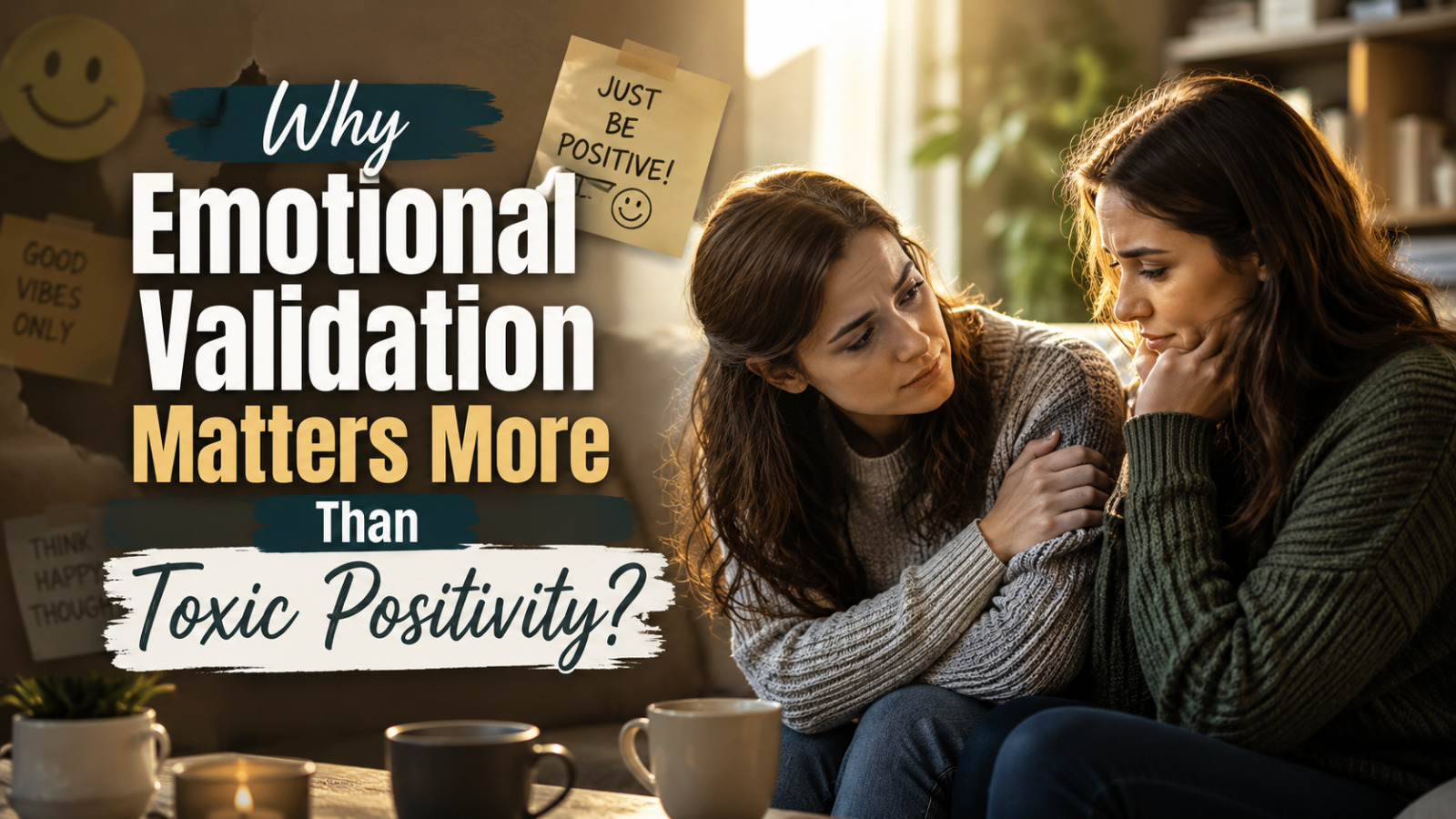
Everyone experiences difficult emotions at some point in life. Feeling sad, anxious, frustrated, or disappointed is a natural part of being human. However, many people are often encouraged to simply "stay positive" instead of expressing what they truly feel. While positive thinking has its benefits, emotional validation is far more effective in building healthy relationships and improving emotional well-being.
Emotional validation means recognizing, accepting, and respecting someone's emotions without judgment. It allows people to feel heard and understood rather than ignored or dismissed. In contrast, toxic positivity pressures individuals to hide uncomfortable emotions behind forced optimism. Understanding the difference between these two approaches can help create healthier communication and stronger emotional connections.
WHAT IS EMOTIONAL VALIDATION?
Emotional validation is the act of acknowledging another person's feelings as real and meaningful. It does not necessarily mean agreeing with their opinions or solving their problems. Instead, it communicates that their emotions are understandable based on their experiences. This simple act builds trust, comfort, and emotional safety.
When someone feels validated, they are more likely to open up honestly about their thoughts and emotions. Validation reduces feelings of loneliness because people know they are being listened to without criticism. It also encourages healthier emotional regulation instead of suppressing emotions. As a result, relationships become stronger and more supportive over time.
UNDERSTANDING TOXIC POSITIVITY
Toxic positivity is the belief that people should remain positive regardless of how difficult or painful a situation may be. Although optimism can be helpful, forcing positivity often ignores genuine emotional experiences. Common phrases like "Just be happy," "Everything happens for a reason," or "Others have it worse" may unintentionally dismiss someone's feelings.
People exposed to toxic positivity may begin hiding their emotions because they fear being judged as negative. This emotional suppression can increase stress, anxiety, and frustration. Instead of healing, unresolved emotions continue to build beneath the surface. Healthy emotional growth requires acknowledging both positive and negative feelings.
WHY EMOTIONAL VALIDATION IS MORE IMPORTANT
One of the greatest benefits of emotional validation is that it strengthens human connection. People naturally seek understanding during challenging moments, not immediate solutions or forced encouragement. Simply listening with empathy often provides greater comfort than offering optimistic advice too quickly.
Validation also promotes better mental and emotional health. When individuals accept their emotions, they can process them in healthier ways instead of avoiding them. This reduces emotional exhaustion and improves resilience during stressful situations. Feeling understood can be one of the most powerful forms of emotional support.
THE IMPACT ON RELATIONSHIPS
Healthy relationships depend on trust, empathy, and effective communication. Emotional validation helps partners, family members, and friends feel respected and appreciated. When people know their feelings matter, conflicts become easier to resolve through honest conversations rather than defensive arguments.
On the other hand, toxic positivity often creates emotional distance. Individuals may stop sharing their struggles because they expect their feelings to be minimized. Over time, this weakens emotional intimacy and reduces mutual understanding. Genuine support begins with listening before offering advice.
HOW TO PRACTICE EMOTIONAL VALIDATION
Practicing emotional validation starts with becoming a better listener. Give your full attention, avoid interrupting, and allow the other person to express their emotions completely. Instead of immediately offering solutions, acknowledge what they are feeling by saying things like "That sounds really difficult" or "I understand why you feel that way."
Body language also plays an important role in validation. Maintain eye contact, show empathy through facial expressions, and remain patient throughout the conversation. Avoid judging, comparing experiences, or telling someone how they should feel. Small acts of understanding can make a significant difference in someone's emotional well-being.
COMMON MISTAKES TO AVOID
Many people unintentionally invalidate emotions without realizing it. Statements such as "Don't cry," "You'll get over it," or "Just think positive" may sound supportive but often dismiss genuine emotional pain. Instead, focus on understanding before responding.
Another common mistake is trying to fix every problem immediately. While solutions are valuable, people often need emotional support before practical advice. Respecting someone's feelings creates a stronger foundation for meaningful conversations. Empathy should always come before problem-solving.
CONCLUSION
Emotional validation is a powerful skill that helps people feel accepted, respected, and emotionally safe. Unlike toxic positivity, it encourages honest emotional expression instead of hiding uncomfortable feelings. By listening with empathy and acknowledging emotions without judgment, we create healthier relationships and stronger emotional resilience. Choosing validation over forced positivity allows both individuals and relationships to grow in a genuine and meaningful way.
About the Author
Gusti Ayu Tita P
Author — STEKOM University
An active author focused on academic issues, educational technology, and human resource development in the campus environment.















