
Why Entertainment Content Has Become Part Of Everyday Life?
Gusti Ayu Tita P
7 Agustus 2026
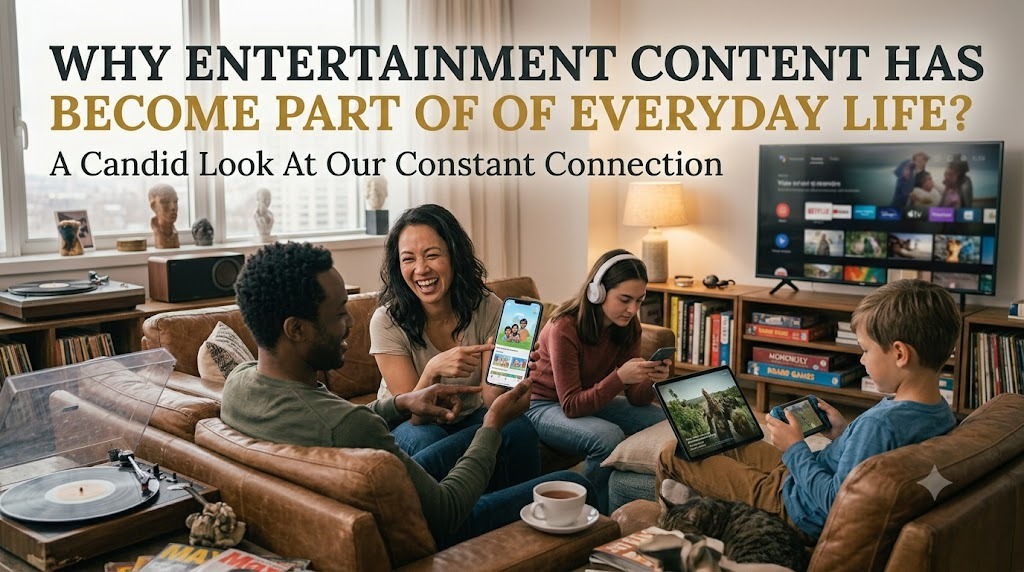
Entertainment content has become a familiar part of everyday life because digital technology makes it easier than ever to access movies, music, games, podcasts, and short videos.People can enjoy entertainment almost anywhere through smartphones, computers, televisions, and other connected devices. Easy access and flexible viewing options have changed the way people spend their free time. As a result, entertainment is no longer limited to special occasions but has become part of many daily routines.
The growth of social media and digital platforms has also increased the variety of available content. Users can choose entertainment based on their interests, mood, age, and available time. Personalized recommendations and on-demand access allow audiences to find content that suits their preferences. This development explains why entertainment content continues to play an important role in modern life.
EASY ACCESS TO DIGITAL ENTERTAINMENT
One of the main reasons entertainment has become part of everyday life is its accessibility. People can watch videos, listen to music, or play games without having to visit a physical location. Smartphones and internet connections provide convenient access to entertainment throughout the day. This convenience makes entertainment easier to include in short breaks or longer periods of leisure.
Digital platforms also offer different formats for different situations. Short videos can be watched during a brief break, while movies and series can be enjoyed during longer periods of free time. Flexible access allows people to choose entertainment according to their schedules. This convenience has contributed to the increasing role of digital entertainment in daily routines.
ENTERTAINMENT HELPS PEOPLE RELAX
Daily responsibilities can create physical and mental pressure. Entertainment can provide a temporary break from school, work, household activities, or other obligations. Watching a favorite show, listening to music, or playing a game can help people relax and improve their mood. A short period of enjoyable activity can make free time feel more refreshing.
However, entertainment is most beneficial when consumed in moderation. Spending too much time on screens may interfere with sleep, productivity, exercise, and social activities. A healthy balance between entertainment and responsibilities is essential. People can enjoy digital content while still making time for important activities.
SOCIAL MEDIA MAKES ENTERTAINMENT MORE POPULAR
Social media has significantly changed how entertainment content is discovered and shared. Users can find music, videos, memes, challenges, comedy, and other forms of content through their social feeds. Sharing and commenting allow entertainment to spread quickly between users. A piece of content can reach a large audience within a relatively short period.
Social media also makes audiences active participants rather than passive viewers. People can react to content, create responses, participate in trends, and communicate with creators. This interaction makes entertainment more social and engaging. As a result, entertainment can become a shared experience among friends, communities, and online audiences.
PERSONALIZED CONTENT MATCHES INDIVIDUAL INTERESTS
Digital platforms increasingly provide recommendations based on users' viewing or listening habits. Someone who frequently watches comedy videos may receive more comedy recommendations, while a music listener may discover similar artists. Personalized recommendations make it easier to find content that matches individual preferences.
This system can save users time when searching for something to watch or listen to. It also exposes audiences to creators and topics they may not have discovered independently. However, users should still explore different types of content instead of relying entirely on automated recommendations. A balanced selection can prevent entertainment habits from becoming too narrow.
ENTERTAINMENT SUPPORTS SOCIAL CONNECTIONS
Entertainment often gives people something to discuss with others. Popular movies, songs, games, series, and online trends can become common topics among friends and communities. Shared entertainment interests can strengthen social connections because people can exchange opinions and experiences.
Online communities also allow people with similar interests to communicate even when they live far apart. Fans can discuss their favorite creators, participate in communities, or share recommendations. Entertainment can therefore create a sense of belonging through shared interests. Nevertheless, digital interaction should complement rather than completely replace direct social relationships.
ENTERTAINMENT PROVIDES CREATIVE INSPIRATION
Entertainment content can encourage people to explore their creativity. A movie may inspire storytelling, music may encourage someone to learn an instrument, and digital videos may motivate users to create their own content. Creative entertainment can encourage people to experiment with new ideas and skills.
Digital platforms have made content creation more accessible as well. People can use smartphones and simple editing applications to create videos, photographs, music, or other digital works. Entertainment can therefore become both something people consume and something they create. This development gives audiences more opportunities to express themselves.
ENTERTAINMENT OFFERS A VARIETY OF EXPERIENCES
Modern entertainment provides a wide range of choices. People can enjoy comedy, drama, sports, animation, documentaries, music, games, educational entertainment, and many other formats. This variety allows individuals to choose experiences that match their interests and emotional needs.
Entertainment can also introduce audiences to different cultures and perspectives. International movies, music, and digital creators can help people discover languages, traditions, lifestyles, and ideas from other places. Exposure to diverse entertainment can broaden cultural awareness. Audiences should still approach unfamiliar content with an open and respectful attitude.
ENTERTAINMENT CAN BECOME PART OF DAILY ROUTINES
Many people develop simple entertainment habits throughout the day. They may listen to music while traveling, watch short videos during breaks, or enjoy a series before going to sleep. Repeated habits can make entertainment feel like a natural part of everyday routines.
These habits are not necessarily negative when they remain under control. The important point is to ensure that entertainment does not interfere with sleep, responsibilities, relationships, or personal goals. Managing screen time helps people enjoy entertainment without losing control of their schedules. Choosing content intentionally can also make leisure time more satisfying.
THE IMPORTANCE OF RESPONSIBLE ENTERTAINMENT CONSUMPTION
The convenience of digital entertainment means people can easily consume large amounts of content. Without proper limits, continuous scrolling or watching can become difficult to control. Responsible entertainment consumption requires awareness of time, content quality, and personal needs. Setting reasonable limits can help maintain a healthier routine.
People should also think critically about the content they consume and share. Not every popular video or viral post contains accurate, positive, or appropriate information. Digital literacy helps audiences recognize misleading, harmful, or unsuitable content. By making thoughtful choices, people can enjoy entertainment while reducing its potential negative effects.
CONCLUSION
Entertainment content has become part of everyday life because it is accessible, varied, interactive, and easy to personalize. Digital platforms allow people to enjoy entertainment whenever they have free time, while social media makes content easier to discover and share. Entertainment can provide relaxation, strengthen social connections, inspire creativity, and introduce people to different perspectives.
Despite these benefits, entertainment should remain balanced with other aspects of life. Healthy screen habits, responsible content selection, and digital awareness can help people enjoy entertainment without allowing it to interfere with important responsibilities. With the right approach, entertainment can remain a positive and meaningful part of everyday life.
About the Author
Gusti Ayu Tita P
Author — STEKOM University
An active author focused on academic issues, educational technology, and human resource development in the campus environment.















