
Why Gen Z Cares More About Mental Health?
Gusti Ayu Tita P
20 Agustus 2026
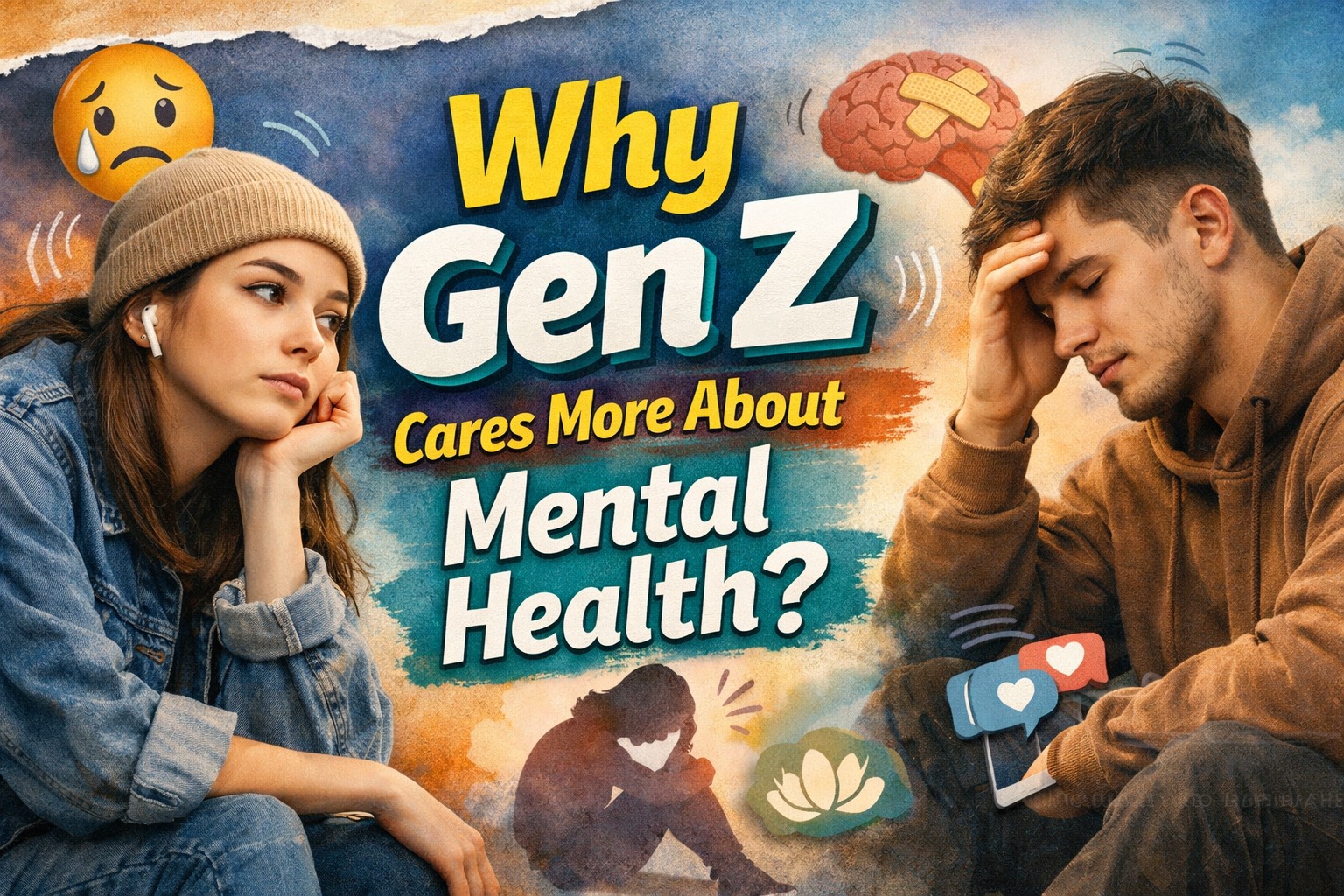
Mental health has become one of the most discussed topics among young people today, especially within Generation Z. Born in the digital era, Gen Z grows up surrounded by technology, social media, fast information, and high social expectations. Unlike previous generations, they are more open to discussing emotional struggles, stress, anxiety, and self-care. This shift is not simply a trend, but a response to the challenges they face in modern life.
Many Gen Z individuals believe that mental well-being is just as important as physical health. They are more aware of emotional balance, toxic environments, and the importance of healthy relationships. As a result, conversations about therapy, burnout, depression, and self-improvement are becoming more common in schools, workplaces, and online communities. This awareness helps reduce stigma and encourages people to seek support when needed.
THE IMPACT OF DIGITAL LIFE ON GEN Z
The digital world plays a major role in shaping Gen Z’s mindset and emotional condition. Social media platforms allow young people to connect and express themselves, but they also create pressure to appear perfect. Constant exposure to edited lifestyles, achievements, and beauty standards often leads to stress, insecurity, and unhealthy comparison. Many Gen Z users feel overwhelmed by the need to stay active and relevant online.
In addition, the fast flow of information can increase anxiety and emotional exhaustion. News about economic uncertainty, global conflicts, and social issues appears every day on their screens. Because Gen Z spends a significant amount of time online, they absorb more emotional pressure than previous generations. This is why many young people today prioritize digital detox, self-care routines, and mental health awareness.
WHY GEN Z IS MORE OPEN ABOUT MENTAL HEALTH
One major difference between Gen Z and older generations is their openness in discussing emotions. In the past, mental health problems were often ignored or considered a weakness. Today, Gen Z encourages honest conversations about anxiety, burnout, loneliness, and emotional struggles. They believe that speaking openly can help people feel understood and supported.
The rise of mental health education on social media and online platforms also contributes to this awareness. Influencers, psychologists, and public figures often share educational content about emotional well-being. As a result, Gen Z becomes more informed about the importance of therapy, counseling, and emotional support. This generation prefers solutions that support both productivity and personal happiness.
ACADEMIC AND CAREER PRESSURE AMONG GEN Z
Gen Z faces intense competition in education and career development. Many young people feel pressure to achieve success at an early age while also building a stable future. Academic demands, financial concerns, and career uncertainty can trigger emotional stress. The fear of failure often affects their confidence and motivation.
At the same time, workplace culture is also changing. Gen Z values work-life balance, healthy communication, and supportive environments more than salary alone. They are less willing to stay in toxic workplaces that damage their mental health. Many companies now realize that employee well-being is important for productivity and long-term success. Because of this, discussions about mental health in professional environments continue to grow.
THE IMPORTANCE OF SUPPORTIVE ENVIRONMENTS
A supportive environment can greatly improve emotional well-being for Gen Z. Family, friends, schools, and workplaces all play important roles in creating safe spaces for communication. When young people feel heard and respected, they are more likely to manage stress in healthy ways. Emotional support also helps reduce feelings of isolation and loneliness.
Communities that encourage empathy and understanding can strengthen mental resilience. Gen Z appreciates environments where people can express opinions without fear of judgment. Supportive relationships help individuals develop confidence and emotional stability. This is why many Gen Z individuals actively seek positive communities both online and offline.
CONCLUSION
Gen Z is helping normalize discussions about emotional health in society. They encourage people to prioritize self-care, therapy, and emotional awareness without shame. Through social media campaigns and open conversations, they challenge outdated beliefs about mental illness. This movement has inspired schools, workplaces, and organizations to pay more attention to psychological well-being.
Although challenges still exist, Gen Z continues to promote healthier lifestyles and emotional awareness. Their openness creates opportunities for better education, stronger support systems, and reduced stigma around mental health issues. By focusing on balance, self-awareness, and emotional support, Gen Z is shaping a healthier future for the next generation.
About the Author
Gusti Ayu Tita P
Author — STEKOM University
An active author focused on academic issues, educational technology, and human resource development in the campus environment.















