
Why Has the Afterlife Become an Important Human Belief?
Gusti Ayu Tita P
9 September 2026
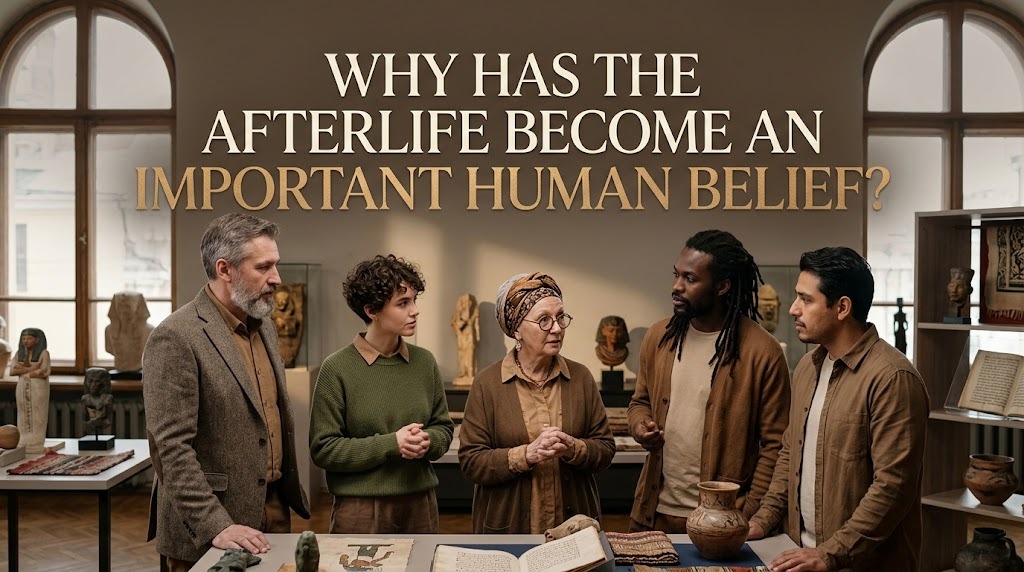
Death is one of the greatest mysteries in human life. While every person experiences life differently, the question of what happens after death has appeared in many cultures, religions, and traditions throughout history. The idea of an afterlife gives people a way to understand what may exist beyond physical existence and helps them reflect on the meaning of life.
Beliefs about the afterlife can be very different from one community to another. Some traditions describe a spiritual realm, while others focus on rebirth, judgment, eternal life, or another form of existence. Despite these differences, the continuing interest in the afterlife shows how deeply humans want to understand death, existence, and what may come afterward.
THE HUMAN DESIRE TO UNDERSTAND DEATH
One major reason the afterlife has become an important human belief is the natural human desire to understand death. Death is certain, but what happens after it cannot be directly observed or scientifically confirmed. This uncertainty encourages people to search for answers through religion, philosophy, spirituality, and cultural traditions. The afterlife therefore becomes a concept that helps people think about something that remains beyond ordinary human experience.
Believing in an afterlife can also provide a sense of meaning and continuity. For some people, death is not viewed as a complete ending but as a transition into another form of existence. This perspective may help individuals face the reality of mortality with greater acceptance. It can also encourage people to think more deeply about how they use their time and relationships during their lives.
THE ROLE OF RELIGION IN AFTERLIFE BELIEFS
Religion has played a major role in shaping ideas about what happens after death. Many religious traditions provide teachings about the soul, moral actions, judgment, heaven, hell, rebirth, or other forms of existence. These teachings differ significantly, but they often address similar human questions about mortality and the purpose of life. Religious beliefs can therefore give followers a framework for understanding death within a broader spiritual worldview.
Afterlife beliefs can also influence how people understand moral responsibility. In some traditions, actions during earthly life are connected to what happens after death. This connection can encourage followers to practice compassion, honesty, kindness, and responsibility. However, the specific meaning of reward, punishment, or spiritual progress depends on each religious and cultural tradition.
AFTERLIFE AS A SOURCE OF HOPE AND COMFORT
The idea of an afterlife can provide hope and emotional comfort, particularly when people experience the death of someone they love. The belief that existence may continue beyond physical death can help some individuals cope with grief and loss. It may provide reassurance that death does not necessarily mean the complete disappearance of a person's spiritual existence. For this reason, afterlife beliefs have remained meaningful in many societies.
Hope connected to the afterlife can also influence how people face difficult situations. Some individuals find strength in believing that suffering is not the final part of existence. Others may find comfort in the possibility of being reunited with loved ones in another realm. Although these beliefs cannot be measured as scientific facts, their emotional and cultural significance can be important to the people who hold them.
AFTERLIFE BELIEFS IN HUMAN CULTURE AND TRADITION
Ideas about the afterlife have influenced human culture for thousands of years. Ancient civilizations developed different descriptions of spiritual worlds, burial practices, ceremonies, and stories about journeys after death. These traditions can be found in religious texts, mythology, art, architecture, and oral storytelling. They demonstrate how people have used culture to express their understanding of mortality and existence.
Funeral customs are another important example of how afterlife beliefs shape human behavior. Different societies have developed ceremonies to honor the dead and support surviving family members. Some practices emphasize remembrance, spiritual preparation, ancestral relationships, or the journey of the deceased. These traditions show that beliefs about death are connected not only to spirituality but also to family and community life.
HOW AFTERLIFE BELIEFS CAN SHAPE HUMAN LIFE
Beliefs about what happens after death can influence people's decisions, values, and relationships while they are alive. For some individuals, the possibility of an afterlife encourages them to live according to ethical principles and treat others with greater care. Such beliefs can influence choices about forgiveness, generosity, responsibility, and personal behavior. The impact, however, varies depending on a person's religion, culture, philosophy, and individual interpretation.
The concept of an afterlife can also encourage people to reflect on their purpose in life. Thinking about mortality may motivate individuals to appreciate relationships, contribute to society, or pursue meaningful goals. Even people who do not believe in an afterlife may find that questions about death encourage reflection about how they want to live. In this way, the discussion of the afterlife can remain relevant regardless of a person's specific beliefs.
WHY THE AFTERLIFE REMAINS AN IMPORTANT BELIEF
The afterlife remains an important human belief because it addresses several fundamental questions about existence. People want to understand what happens after death, whether life has a deeper purpose, and whether something continues beyond the physical body. Religion, philosophy, culture, and personal experience have produced many different answers to these questions. No single description of the afterlife is universally accepted, making it an enduring subject of human reflection.
Ultimately, the importance of the afterlife is not only about what may happen after death. It is also about how people understand their lives in the present. Beliefs about the afterlife can provide hope, shape values, preserve traditions, and help individuals confront the reality of mortality. The continuing human interest in this subject reflects a deep desire to find meaning in life and understand the mystery of existence.
CONCLUSION
The afterlife has become an important human belief because it offers different ways to think about death, meaning, hope, and existence. Religious and cultural traditions have developed diverse perspectives, including spiritual continuation, judgment, rebirth, and other forms of life beyond the physical world. These ideas have influenced human values, traditions, relationships, and attitudes toward mortality.
Although people hold different beliefs about what happens after death, the question itself remains deeply significant. Exploring different perspectives can encourage greater understanding of human culture and the many ways people search for meaning. The afterlife, therefore, continues to be an important subject because it connects the mystery of death with the way humans choose to live.
About the Author
Gusti Ayu Tita P
Author — STEKOM University
An active author focused on academic issues, educational technology, and human resource development in the campus environment.















