Why Integrity Is Essential for Every Customs Officer?
Gusti Ayu Tita P
8 Agustus 2026
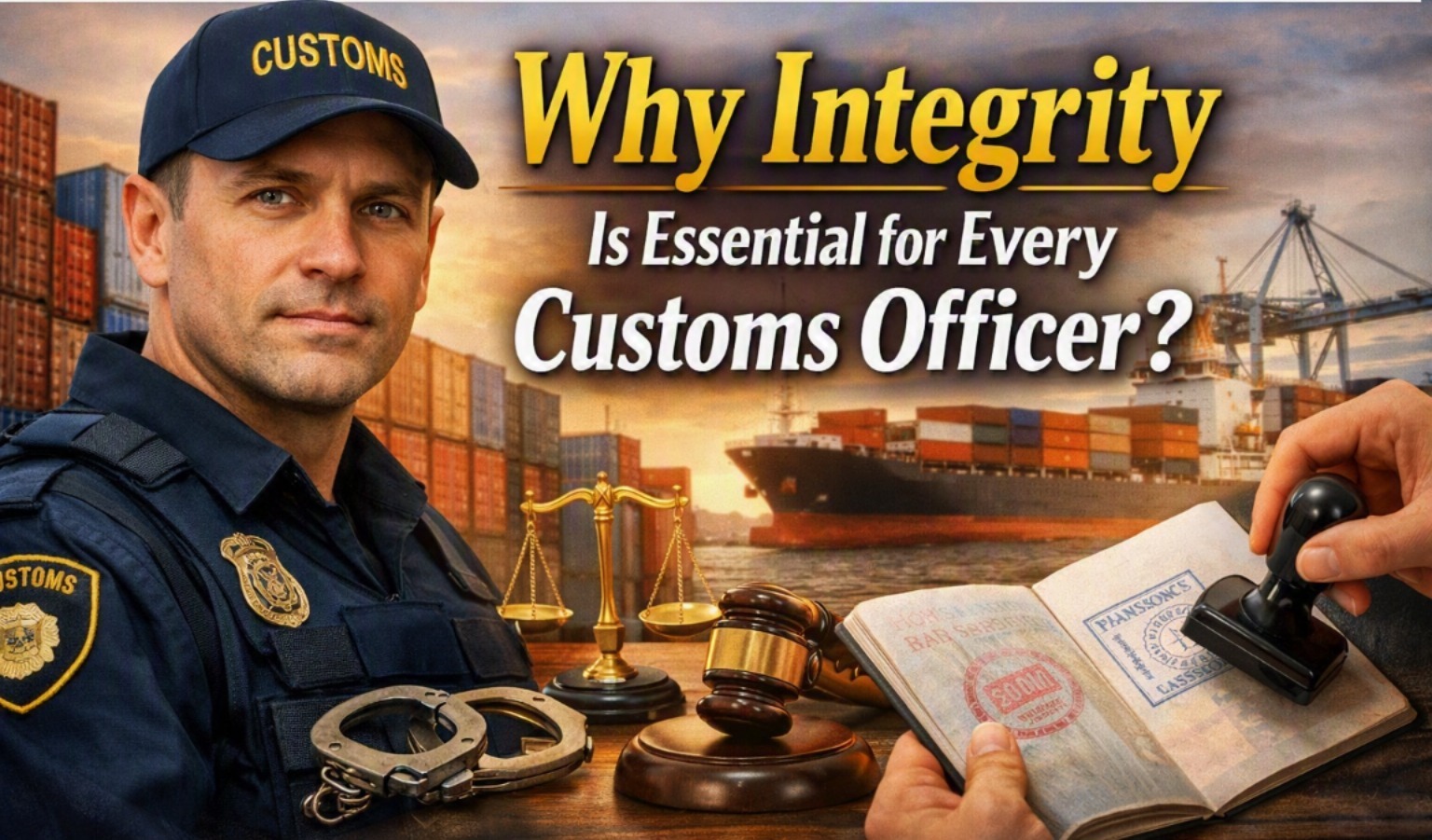
Customs officers play an important role in protecting national borders, supporting legal trade, and collecting government revenue. Their responsibilities require them to make decisions that can affect businesses, travelers, importers, exporters, and the national economy. Because of this, integrity is one of the most important qualities every customs officer should have. Without integrity, customs procedures can become unfair, inefficient, and vulnerable to abuse. Therefore, understanding why integrity matters is essential for building a trusted and professional customs service.
INTEGRITY BUILDS PUBLIC TRUST
Integrity means acting honestly, fairly, responsibly, and according to established rules, even when no one is watching. Customs officers often interact directly with businesses, travelers, logistics companies, and other government institutions. Their decisions must be based on regulations and accurate information rather than personal interests. When officers consistently demonstrate integrity, people are more likely to trust customs procedures and decisions.
Public trust is important because customs authorities are responsible for managing activities at international borders. A trusted customs service can encourage businesses and the public to follow customs regulations voluntarily. On the other hand, dishonest behavior can damage the reputation of an entire institution, even if only a small number of officers are involved. Maintaining integrity therefore helps create a professional relationship between customs authorities and the communities they serve.
INTEGRITY PREVENTS CORRUPTION AND ABUSE
Customs officers may handle sensitive activities such as cargo inspections, customs declarations, tariff assessments, and the release of imported goods. These responsibilities can create opportunities for conflicts of interest or improper influence. Strong personal integrity helps officers resist pressure to ignore violations or provide special treatment. It also supports the implementation of anti-corruption measures within customs organizations.
Corruption in customs can have serious consequences for governments, businesses, and society. Bribery and favoritism can increase business costs, reduce government revenue, and create unfair competition. Honest officers help ensure that customs duties and procedures are applied according to the applicable rules. By refusing improper benefits and reporting suspected violations through proper channels, officers can help protect the institution from corruption.
INTEGRITY SUPPORTS FAIR ENFORCEMENT
Customs regulations must be applied fairly to different individuals and businesses. An officer should not provide preferential treatment simply because a person or company is influential, wealthy, or personally connected to them. Fair enforcement means applying the same legal standards while considering the specific facts and regulations of each case. This approach helps create a more predictable and transparent customs environment.
Fairness is particularly important in international trade because businesses depend on consistent border procedures. If similar cases receive completely different treatment, businesses may face uncertainty and unnecessary costs. Integrity helps customs officers make objective decisions based on evidence, regulations, and official procedures. As a result, fair enforcement can strengthen confidence in the customs system and support legitimate economic activity.
INTEGRITY PROTECTS GOVERNMENT REVENUE
Customs authorities can have an important role in collecting duties and taxes on imported goods. Accurate assessment is necessary to ensure that the government receives the revenue required by law. An officer who lacks integrity may intentionally overlook incorrect information or allow improper reductions in customs obligations. Such actions can cause financial losses and weaken public confidence in government institutions.
Integrity encourages officers to perform their duties carefully and objectively. They must examine relevant documents, verify information when necessary, and follow established procedures. Protecting government revenue is not simply about collecting money; it is also about ensuring that trade rules are applied correctly. Honest customs administration can therefore contribute to stronger public finances and a more reliable trading environment.
INTEGRITY SUPPORTS LEGAL INTERNATIONAL TRADE
Customs officers help facilitate legitimate international trade while enforcing laws that protect a country from illegal activities. They may deal with imported and exported goods, customs declarations, trade documentation, and border controls. Their decisions can influence how efficiently goods move across borders. Integrity ensures that trade facilitation does not become an excuse for ignoring legal requirements.
A professional customs officer must find the right balance between facilitating lawful trade and enforcing customs regulations. Goods that meet legal requirements should be processed efficiently, while suspicious or unlawful activities should receive appropriate attention. Integrity helps officers avoid unnecessary delays caused by personal interests while still maintaining effective controls. This balance can support businesses and contribute to a healthier international trading system.
INTEGRITY STRENGTHENS PROFESSIONALISM
Being a customs officer involves more than understanding laws and administrative procedures. Officers also need professional judgment, responsibility, discipline, and ethical behavior. Integrity connects these qualities by encouraging officers to do their work correctly even when they face difficult situations. It helps ensure that professional standards are maintained during daily operations.
Professionalism is especially important because customs officers represent their institution whenever they interact with the public. Their behavior can influence how people view the entire customs organization. An officer who communicates respectfully, follows procedures, protects confidential information, and makes objective decisions demonstrates professional conduct. Over time, these behaviors can strengthen the reputation and credibility of the customs service.
INTEGRITY HELPS PROTECT NATIONAL SECURITY
Customs administrations are not only concerned with taxes and trade. Border controls can also contribute to efforts against smuggling, prohibited goods, illicit trade, and other cross-border violations. Customs officers may therefore have responsibilities that affect public safety and national interests. Integrity is essential because dishonest decisions could allow serious violations to pass through border controls.
Officers must remain committed to their responsibilities even when facing pressure or attempts to influence their decisions. An integrity-based customs service is better positioned to identify risks and respond to violations according to the law. This does not mean every customs officer can prevent every illegal activity, but ethical conduct strengthens the overall border-control system. Integrity is therefore an important part of protecting both economic and national interests.
HOW CUSTOMS OFFICERS CAN MAINTAIN INTEGRITY
Maintaining integrity requires continuous commitment rather than a single decision. Customs officers should understand and follow ethical codes, customs regulations, conflict-of-interest rules, and anti-corruption policies. They should also avoid situations where personal relationships or financial interests could influence official decisions. When uncertain about an ethical issue, officers should use official guidance and appropriate reporting or consultation channels.
Customs institutions also have an important role in supporting ethical behavior. Clear procedures, transparent supervision, staff training, internal controls, and effective complaint mechanisms can reduce opportunities for misconduct. Officers should be encouraged to report suspected corruption through authorized channels without compromising confidentiality or due process. When individual responsibility is supported by strong institutional systems, integrity becomes part of the organization's everyday culture.
CONCLUSION
Integrity is not merely a personal virtue for customs officers; it is a foundation for an effective customs administration. Honest and accountable officers can help protect government revenue, support legal trade, enforce regulations fairly, and strengthen public trust. Their decisions can have consequences that extend beyond individual transactions and affect businesses, communities, and the national economy.
For this reason, every customs officer should treat integrity as a fundamental part of professional duty. Customs institutions should continue developing ethical standards, training programs, oversight systems, and transparent procedures. When integrity becomes a shared organizational value, customs services can become more credible, fair, efficient, and resilient. Ultimately, strong integrity helps ensure that customs officers serve the public interest while carrying out their responsibilities at the border.
About the Author
Gusti Ayu Tita P
Author — STEKOM University
An active author focused on academic issues, educational technology, and human resource development in the campus environment.