Why Is a Career in Customs Becoming More Popular?
Gusti Ayu Tita P
8 Agustus 2026
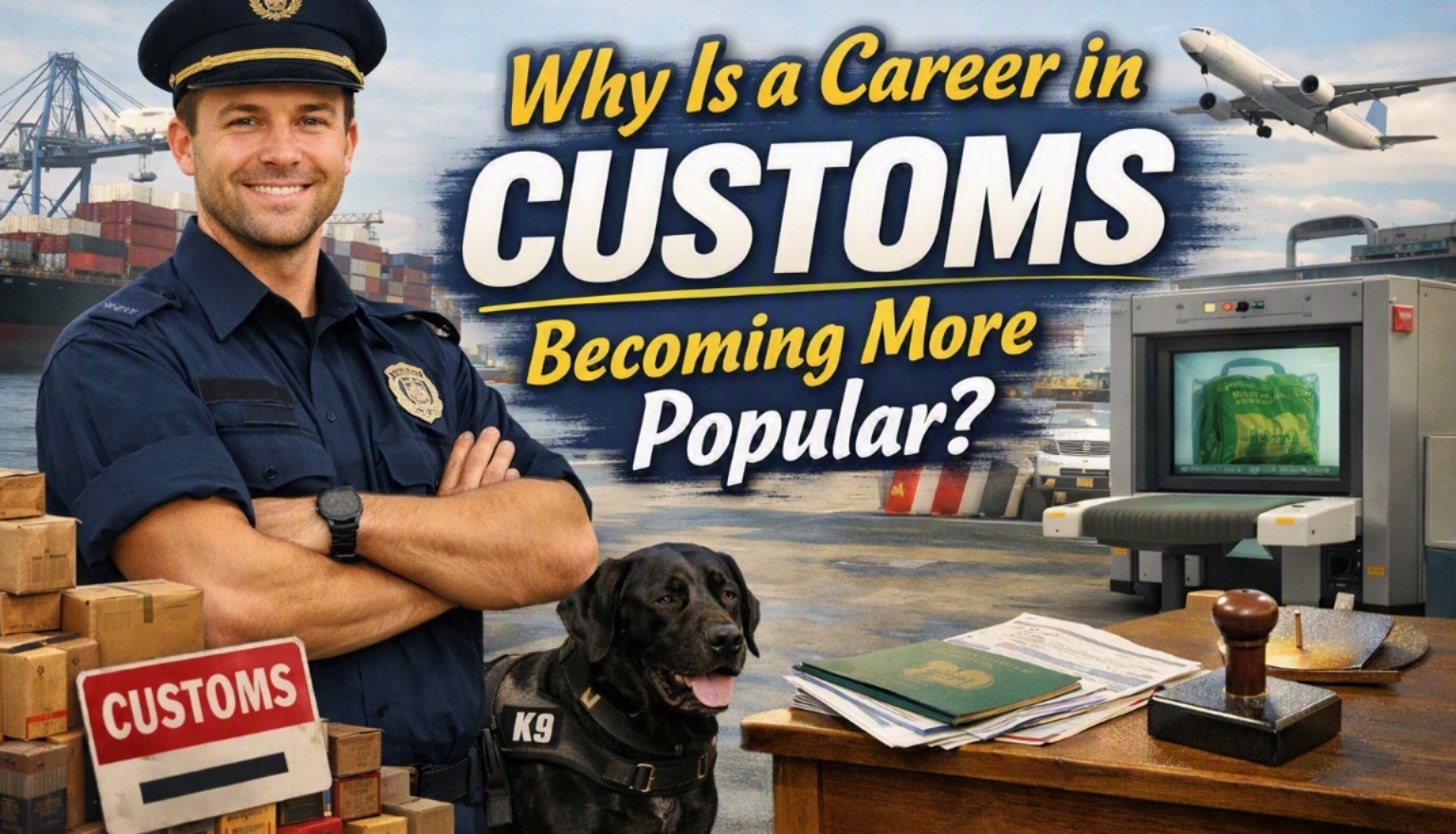
International trade continues to grow as businesses increasingly exchange goods across national borders. This development creates a greater need for professionals who understand customs procedures, trade regulations, taxation, and border control. As a result, a career in customs is attracting more attention from people who want a stable and meaningful profession. Customs officers play an important role in ensuring that goods enter and leave a country legally and efficiently. The combination of career stability, professional development, and public service makes customs an increasingly interesting career choice.
THE IMPORTANT ROLE OF CUSTOMS IN INTERNATIONAL TRADE
Customs authorities are responsible for controlling the movement of goods across national borders. Their work includes checking documents, assessing customs duties and taxes, preventing illegal trade, and ensuring that imported and exported goods comply with applicable regulations. Customs also helps protect society from prohibited or dangerous goods. Without effective customs control, international trade could face greater risks involving fraud, smuggling, and violations of trade rules.
At the same time, modern customs organizations are expected to support legitimate trade rather than simply inspect every shipment manually. Digital systems, risk management, and data analysis are increasingly used to identify high-risk shipments while allowing low-risk goods to move more efficiently. This makes customs work more strategic and technology-driven than many people realize. Professionals in this field therefore contribute to both border security and economic activity.
STRONG CAREER STABILITY AND PUBLIC SERVICE
One major reason customs careers are becoming attractive is the potential for career stability. Customs agencies are generally part of government institutions, so employment can provide structured career paths and clearly defined responsibilities. Depending on the country and recruitment system, employees may receive professional training, career development opportunities, and various employment benefits. These factors can make customs an appealing option for people who prefer a long-term career.
Working in customs also provides an opportunity to serve the public. Customs professionals help protect national economic interests while supporting lawful businesses and international commerce. Their responsibilities can directly contribute to national security, government revenue, and consumer protection. For people who want a career with a clear social purpose, this combination of professional work and public service can be highly valuable.
MORE OPPORTUNITIES THROUGH DIGITAL TRANSFORMATION
Technology has changed the way customs authorities manage international trade. Many customs administrations now use electronic declarations, automated systems, risk management tools, and digital databases to process trade information. These technologies help reduce paperwork and allow authorities to analyze large amounts of information more effectively. Consequently, customs careers are no longer limited to traditional inspection and administrative duties.
This transformation also creates opportunities for people with digital and analytical skills. Professionals who understand information technology, data analysis, cybersecurity, logistics, or international trade can contribute to modern customs operations. As technology continues to develop, customs organizations need employees who can adapt to new systems and changing methods of border management. This makes the field more diverse and attractive to younger generations.
SKILLS THAT MAKE A CUSTOMS CAREER INTERESTING
A career in customs can suit people with different educational and professional backgrounds. Important skills include attention to detail, communication, problem solving, analytical thinking, and knowledge of regulations. Customs officers often need to examine information carefully and make decisions based on laws and established procedures. Good communication skills are also important because customs professionals may interact with importers, exporters, logistics companies, travelers, and other government agencies.
Another valuable quality is the ability to adapt to changing situations. International trade regulations, technology, and security risks can change over time. Customs professionals must therefore continue learning and updating their knowledge. For individuals who enjoy structured work, investigation, technology, and international business, customs can offer a challenging and rewarding professional environment.
CUSTOMS CAREERS SUPPORT ECONOMIC AND NATIONAL SECURITY
Customs has an important connection with a country's economy. Customs duties and taxes collected from international trade can contribute to government revenue, while efficient border procedures can help businesses move goods more smoothly. Customs authorities also work to prevent smuggling, illegal imports, counterfeit goods, and other forms of trade violations. These responsibilities make customs an important part of national economic management.
Beyond financial responsibilities, customs contributes to national security and public safety. Officers may help identify shipments that present security, health, environmental, or safety risks. Cooperation with other government agencies is often necessary to manage these threats effectively. Because customs work affects both trade and security, professionals in this field can have a significant impact on their country's interests.
INTERNATIONAL EXPERIENCE AND CAREER DEVELOPMENT
Customs work is closely connected to international commerce, which can provide professionals with valuable exposure to global trade. Depending on their position and country, customs employees may work with international trade organizations, foreign customs administrations, shipping companies, ports, airports, and logistics providers. This environment can help employees understand how goods and information move through global supply chains. It also provides opportunities to develop knowledge that is useful in an increasingly interconnected economy.
Career development can also occur through specialized training and professional education. Employees may develop expertise in areas such as customs valuation, tariff classification, risk management, trade facilitation, enforcement, or digital customs systems. Continuous learning is important because customs regulations and international trade practices evolve over time. This variety allows professionals to build specialized knowledge while developing a broader understanding of global commerce.
WHY YOUNGER GENERATIONS ARE INTERESTED IN CUSTOMS
Younger job seekers increasingly look for careers that combine stability, technology, meaningful work, and opportunities for growth. Customs can offer several of these characteristics at the same time. Modern customs operations involve digital platforms, data analysis, international trade, and security, making the profession more dynamic than its traditional image may suggest. This can make customs particularly attractive to graduates who want a career connected to both public service and modern technology.
Another factor is the growing importance of international trade. As businesses rely on global supply chains, the movement of goods across borders becomes increasingly important. This creates continuing demand for professionals who understand customs rules and can help maintain secure and efficient trade. For young people interested in government service, logistics, international business, or technology, customs can therefore be a promising career field.
WHAT SHOULD YOU PREPARE FOR A CUSTOMS CAREER?
People interested in customs should begin by learning about the recruitment requirements and career paths available in their country. Educational qualifications, examinations, physical requirements, background checks, and other conditions can vary between customs administrations. Developing knowledge of international trade, taxation, logistics, law, economics, and information technology can provide a useful foundation. Strong communication and analytical abilities are also valuable in many customs-related positions.
Preparation should not stop after entering the profession. Customs professionals need to keep improving their knowledge because trade regulations, technologies, and security challenges continue to change. Building a habit of continuous learning can help employees remain effective and competitive. With the right preparation and professional attitude, a customs career can provide opportunities for long-term growth and meaningful public service.
CONCLUSION
The future of customs is closely connected to the development of international trade and technology. Governments are increasingly looking for ways to make borders more secure while also making legitimate trade faster and more predictable. This requires professionals who can combine regulatory knowledge with digital and analytical skills. Customs organizations are therefore likely to continue adapting their workforce to new technologies and evolving trade risks.
A career in customs is becoming more popular because it offers more than traditional border inspection. It combines public service, economic protection, international trade, technology, and career development in one professional field. Although the requirements and benefits differ between countries, the fundamental importance of customs remains strong. For people looking for a stable and meaningful career connected to global commerce, customs can be a compelling choice.
About the Author
Gusti Ayu Tita P
Author — STEKOM University
An active author focused on academic issues, educational technology, and human resource development in the campus environment.