
Why Is Blood Type Matching Important When Donating Blood?
Gusti Ayu Tita P
14 September 2026
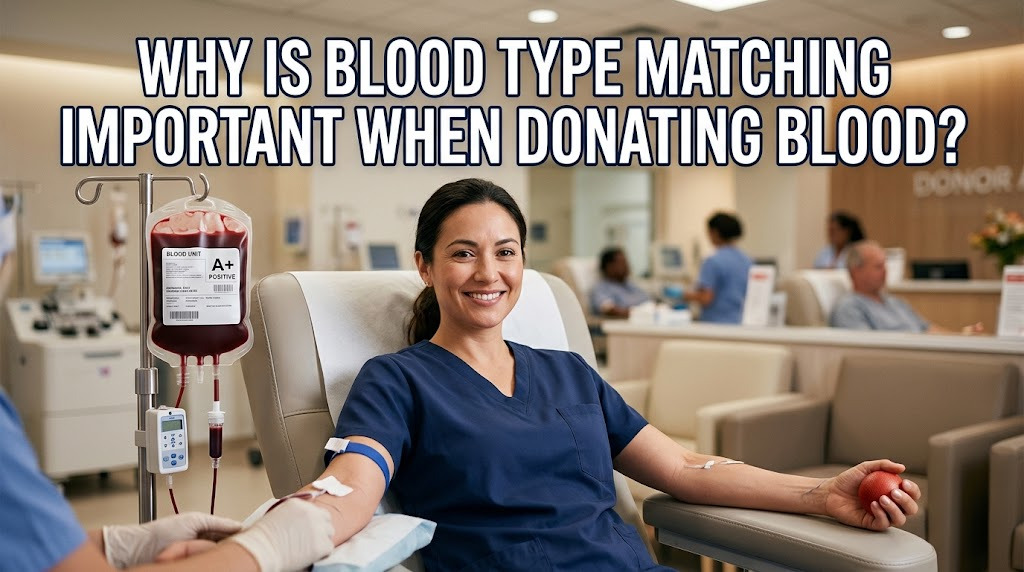
Blood donation is an important medical activity that helps provide blood for people who need treatment after accidents, surgery, serious illness, or other medical conditions. However, donated blood cannot simply be given to every patient because blood type compatibility must be considered. The main blood group systems used in transfusion include the ABO blood group system and the Rh factor. Matching blood correctly helps reduce the risk of dangerous immune reactions. For this reason, understanding blood type matching is an important part of safe blood donation and transfusion.
UNDERSTANDING BLOOD TYPES IN BLOOD DONATION
The main blood types in the ABO system are A, B, AB, and O. These types are determined by specific antigens found on the surface of red blood cells and antibodies found in plasma. Type A blood has A antigens and usually anti-B antibodies, while type B blood has B antigens and anti-A antibodies. Type AB has both A and B antigens, while type O has neither A nor B antigens on its red blood cells. The Rh factor, which can be positive or negative, is another important characteristic considered during blood transfusion.
When someone donates blood, the donation is tested and classified before it can be used for patients. Medical laboratories identify the ABO and Rh types and perform other safety tests required for donated blood. This information helps healthcare professionals select suitable blood products for patients. Blood may also be separated into red blood cells, plasma, and platelets because each component has different uses and compatibility considerations. Therefore, blood typing is an essential step in preparing a donation for medical use.
WHY BLOOD TYPE MATCHING IS IMPORTANT
Blood type matching is important because the immune system can react to unfamiliar antigens on donated red blood cells. If incompatible red blood cells are transfused, antibodies in the recipient's plasma may attack the donor cells. This can cause a serious reaction called a hemolytic transfusion reaction, in which red blood cells are destroyed. A severe reaction can potentially cause serious complications and may become life-threatening. Proper matching helps reduce this risk and makes transfusion safer.
Before a transfusion takes place, healthcare professionals perform several safety procedures. The patient's blood type is identified, and the selected blood product is tested for compatibility. A laboratory may also perform a crossmatch, which checks how the patient's plasma reacts with the donor's red blood cells. Medical staff also carefully verify the patient's identity and the blood product information. These procedures are important because transfusion safety depends on both laboratory testing and accurate patient identification.
HOW DONOR AND RECIPIENT COMPATIBILITY WORKS
For red blood cell transfusions, type O red blood cells can generally be given to people with different ABO blood types when other compatibility requirements are met. This is why type O is commonly described as the universal donor for red blood cells, particularly O-negative blood in certain emergency situations. However, O blood is not universally compatible for every type of blood component. The Rh factor and other compatibility factors must also be considered before transfusion.
The rules are different when plasma is transfused. Type AB plasma is often considered the universal plasma type because it does not contain anti-A or anti-B antibodies. This demonstrates why blood compatibility depends on which blood component is being given. Medical professionals consider whether the patient needs red blood cells, plasma, platelets, or another blood product. The appropriate match is determined according to the component, the patient's blood type, and the patient's clinical condition.
WHAT CAN HAPPEN IF INCOMPATIBLE BLOOD IS GIVEN
If incompatible red blood cells enter the body, antibodies from the recipient may recognize the donor cells as foreign. These antibodies can attach to the donor red blood cells and trigger their destruction, a process known as hemolysis. An acute transfusion reaction may cause symptoms such as fever, chills, back pain, dark urine, low blood pressure, or breathing difficulties. The seriousness of the reaction can vary, but an incompatible transfusion can become a medical emergency. This is why blood compatibility must be checked carefully before transfusion.
Blood banks and hospitals use multiple safety procedures to prevent these problems. Blood samples are tested, labeled, and matched according to established transfusion protocols. Healthcare workers also check the patient's identity and blood product information before the transfusion begins. These steps help reduce the possibility of human or laboratory errors. Careful blood transfusion compatibility procedures are therefore an essential part of modern healthcare.
WHY BLOOD DONORS ARE IMPORTANT
Blood donors play an important role in maintaining a reliable supply of blood for hospitals and patients. Donated blood can be used for people undergoing surgery, recovering from serious injuries, treating certain diseases, or experiencing severe blood loss. A single donation can be separated into different blood components, allowing it to support patients with different medical needs. However, every donation must first pass appropriate screening and testing. This helps ensure that the donated blood is suitable for medical use.
Blood supplies can become limited when many patients need transfusions at the same time. Regular and eligible donors can help blood services maintain adequate supplies. Donors should provide honest health information and follow all instructions given by medical staff. They should also understand that donating blood does not mean their blood will automatically be given to a person with the same blood type. Blood banks determine how each donation is used based on blood type compatibility, testing results, and patient needs.
HOW TO SUPPORT SAFE BLOOD DONATION AND TRANSFUSION
People can support the blood supply by becoming eligible blood donors and following the requirements of authorized blood donation services. Before donating, individuals should provide accurate information about their health, medications, recent illnesses, and other factors requested by healthcare staff. This information helps professionals determine whether the person can safely donate and whether the donation can be used. After donation, following recovery instructions is also important for the donor's well-being.
Knowing your own blood type can be useful, but it should not replace professional testing when blood is needed. In an emergency, medical teams still need to confirm blood type and compatibility through established procedures. People can also encourage friends and family members who are eligible to donate blood regularly. Supporting blood donation programs helps increase the availability of compatible blood for patients. Through responsible donation and careful medical testing, communities can contribute to a safer and more reliable blood transfusion system.
CONCLUSION
Blood type matching is essential because different blood groups contain specific antigens and antibodies that can interact during a transfusion. The ABO blood group system and Rh factor are important characteristics used to determine compatibility between donors and recipients. Proper testing and crossmatching help reduce the risk of serious reactions caused by incompatible blood. Although some blood types have broader compatibility in specific situations, compatibility depends on the type of blood component being transfused. Through safe blood donation, careful testing, and proper medical procedures, donated blood can provide essential and potentially lifesaving treatment for patients.
About the Author
Gusti Ayu Tita P
Author — STEKOM University
An active author focused on academic issues, educational technology, and human resource development in the campus environment.















