Why Is Community Cooperation Important in Neighborhood Watch?
Gusti Ayu Tita P
18 September 2026
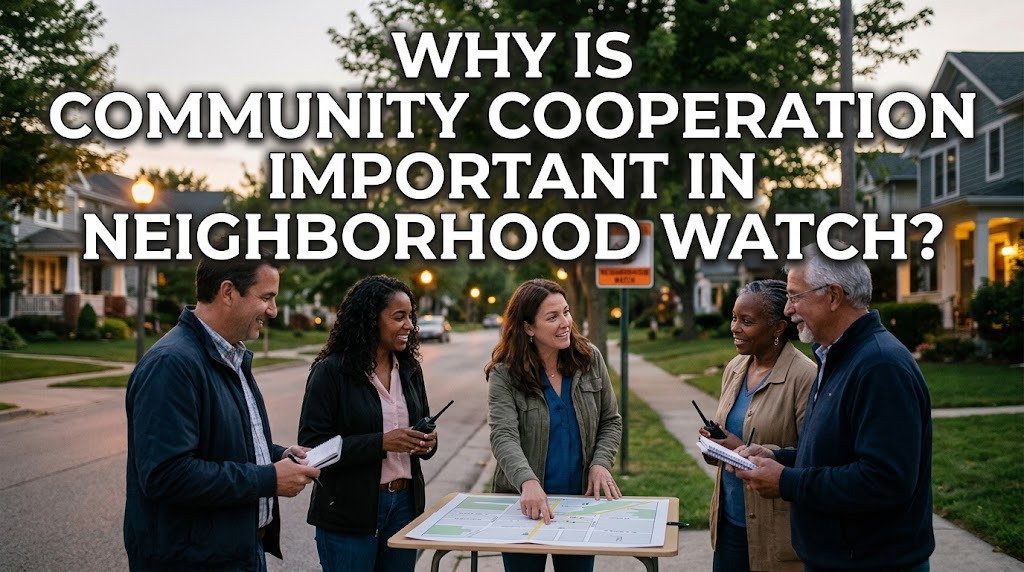
Community cooperation is an important part of maintaining an effective Neighborhood Watch program. A neighborhood can have a schedule and basic procedures, but participation becomes more meaningful when residents work together. Cooperation allows people to share information, divide responsibilities, and support one another. It can also help create a stronger sense of responsibility for the local environment.
BUILDING SHARED RESPONSIBILITY
Community cooperation allows residents to share responsibility for neighborhood safety. Instead of depending on only a few people, residents can participate according to their availability and abilities. A fair system can make duties easier to manage and reduce the possibility of burnout among regular volunteers. Shared responsibility can also encourage more consistent participation.
A clear night watch schedule can help organize these responsibilities. Residents can discuss suitable shifts and make adjustments when someone is unable to attend. This flexibility helps keep the program practical for people with different work, school, and family commitments. When responsibilities are distributed fairly, participation can become more sustainable.
IMPROVING COMMUNICATION BETWEEN RESIDENTS
Cooperation also depends on effective communication. Residents involved in Neighborhood Watch can exchange relevant information about general conditions in their area. Clear communication can help participants understand local concerns and coordinate their activities. It can also make residents more comfortable discussing issues that affect the community.
Information should be shared responsibly and based on observable facts. Residents should avoid spreading rumors or making unsupported accusations about other people. If a situation appears dangerous or requires professional assistance, volunteers should prioritize safety and contact the appropriate authorities. Responsible communication supports a healthier community safety environment.
SUPPORTING EFFECTIVE COMMUNITY WATCH ACTIVITIES
A cooperative community can make Community Night Watch easier to organize and maintain. Residents can help prepare schedules, coordinate shifts, and discuss practical needs. They can also provide feedback about areas that require attention or parts of the program that are difficult to manage. This involvement allows the watch system to develop according to actual community needs.
Cooperation does not mean every resident must perform exactly the same task. Some people may contribute through scheduled shifts, while others may assist with communication or organization when appropriate. A flexible approach can allow more residents to participate without creating unreasonable demands. This can strengthen the overall Neighborhood Watch system.
STRENGTHENING RELATIONSHIPS BETWEEN NEIGHBORS
Regular cooperation can help residents become more familiar with one another. People who communicate and work together may develop stronger connections within their neighborhood. These relationships can make it easier to discuss local concerns and organize other community activities. Strong social connections can contribute to a more supportive environment.
A neighborhood with good cooperation may also be better prepared to respond to everyday challenges. Residents can share useful information and support appropriate community initiatives. However, cooperation should always respect personal boundaries and avoid unnecessary interference in other people's lives. Healthy relationships can make community safety efforts more comfortable and sustainable.
CONCLUSION
Community cooperation is important in Neighborhood Watch because it helps residents share responsibilities, communicate effectively, and maintain organized activities. A fair night watch schedule can distribute duties while accommodating different routines. Clear communication can help residents exchange relevant information without creating unnecessary confusion. Cooperation can also encourage more consistent participation in community watch activities.
The success of Community Night Watch depends not only on having volunteers but also on how well they work together. Residents should understand their roles, respect one another, and prioritize safety during every activity. Serious or dangerous situations should be reported to the appropriate authorities rather than handled through confrontation. Through responsible cooperation, communities can support a safer, more connected, and orderly neighborhood.
About the Author
Gusti Ayu Tita P
Author — STEKOM University
An active author focused on academic issues, educational technology, and human resource development in the campus environment.