
Why Is Controlling Illegal Parking Important for Safer Cities?
Gusti Ayu Tita P
29 Agustus 2026
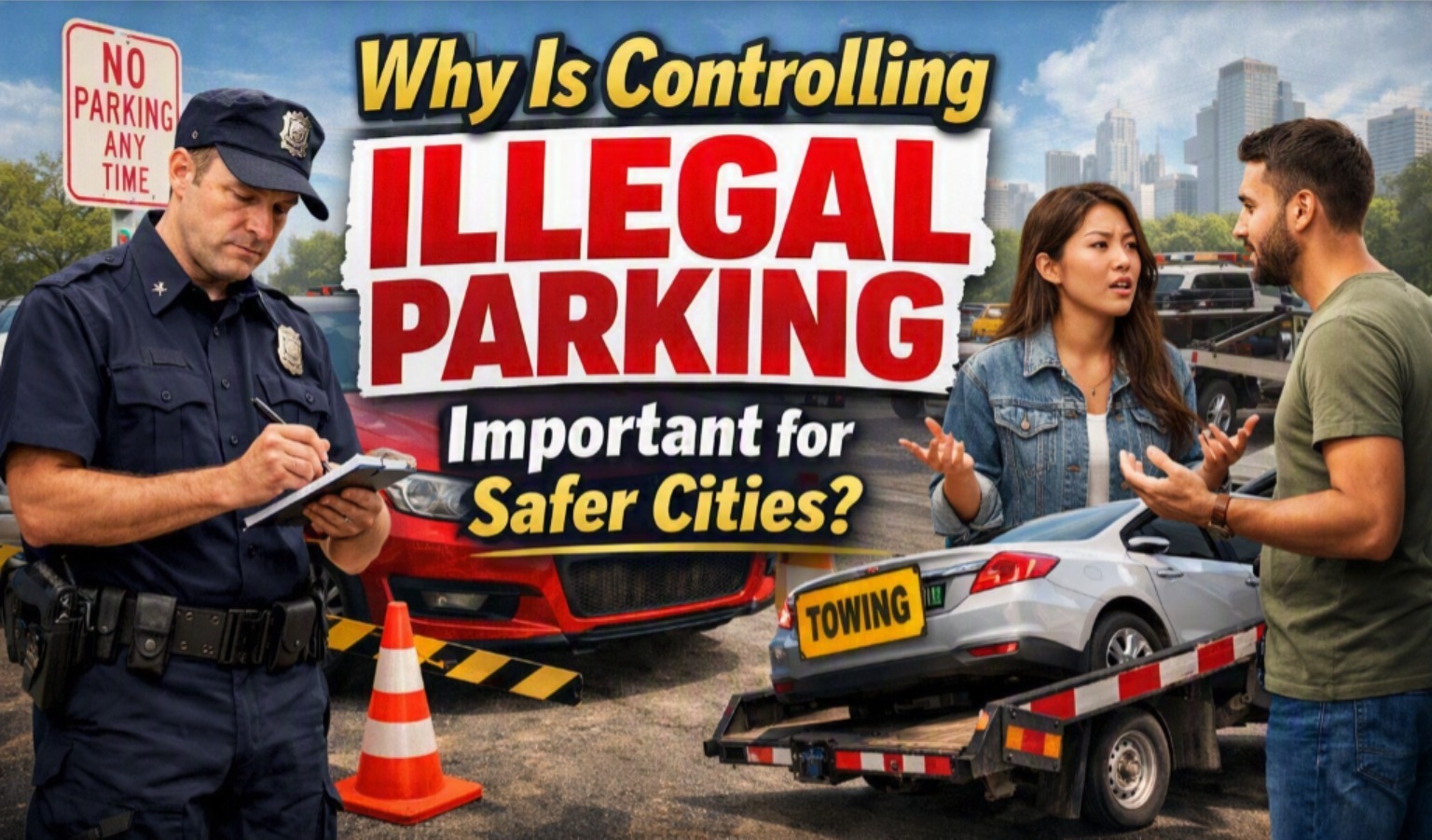
Illegal parking is a common problem in many urban areas. Vehicles parked in prohibited locations can reduce road capacity, obstruct pedestrians, and increase the risk of accidents. If left uncontrolled, illegal parking can also contribute to traffic congestion and make public spaces less comfortable. Therefore, effective illegal parking control is an important part of creating safer and more organized cities.
REDUCING TRAFFIC CONGESTION
One of the main reasons to control illegal parking is to reduce traffic congestion. Vehicles parked on road shoulders, sidewalks, or other restricted areas can take up space that should be used by moving traffic. This condition can narrow the effective width of a road and force drivers to slow down or change lanes suddenly. As a result, traffic can become less efficient, especially on busy urban roads.
Consistent enforcement can help ensure that road space is used properly. Clear parking rules, adequate parking facilities, warning signs, and appropriate penalties can discourage drivers from leaving their vehicles in prohibited areas. When fewer vehicles occupy restricted spaces, traffic can move more smoothly. This can also improve travel times and reduce unnecessary delays for road users.
IMPROVING ROAD SAFETY
Illegal parking can create dangerous visibility problems for drivers, cyclists, and pedestrians. A vehicle parked near an intersection, pedestrian crossing, or road curve may block the view of approaching road users. Drivers may have less time to react when pedestrians or other vehicles suddenly appear. Controlling illegal parking can therefore help reduce situations that may lead to collisions.
Proper enforcement is especially important around schools, hospitals, intersections, bus stops, and pedestrian crossings. These locations often have high levels of pedestrian and vehicle activity. Keeping restricted areas clear allows people to move more safely and gives drivers better visibility. A safer road environment benefits not only motorists but also pedestrians, cyclists, public transport users, and emergency vehicles.
PROTECTING PEDESTRIANS AND PUBLIC SPACES
Sidewalks are designed primarily for pedestrian movement, but illegal parking can force people to walk on the road. This creates additional risks, particularly for children, older adults, and people with mobility limitations. Blocked sidewalks can also make public spaces less accessible and less comfortable. Controlling illegal parking helps ensure that pedestrians can use sidewalks as intended.
Cities also need to protect public spaces and essential road facilities from unnecessary obstruction. Parking in front of entrances, on pedestrian paths, or near public transport facilities can interfere with daily activities. Effective parking management keeps these areas functional and accessible. In the long term, this supports a more orderly and pedestrian-friendly urban environment.
SUPPORTING EMERGENCY SERVICES
Illegal parking can become a serious problem when it blocks fire trucks, ambulances, police vehicles, or emergency access routes. Even a short delay can make it harder for emergency responders to reach people who need immediate assistance. Narrow or obstructed streets can also make emergency vehicles difficult to maneuver. For this reason, parking restrictions around emergency access points should be strictly observed.
Strong parking control can help keep critical access routes clear at all times. Cities can combine enforcement with clear signs, road markings, public education, and appropriate parking alternatives. Drivers should understand that parking restrictions are not simply about avoiding fines. In certain locations, following these rules can directly support faster emergency response and protect lives.
CREATING A MORE ORDERLY CITY
Controlling illegal parking contributes to a more organized urban environment. When vehicles are consistently parked according to established rules, roads, sidewalks, and public areas become easier to use. Clear parking regulations also create more predictable conditions for drivers and pedestrians. This can improve the overall quality of urban mobility.
Successful enforcement requires cooperation between authorities and the community. Local governments can provide sufficient parking facilities, clear regulations, reliable signs, and fair enforcement. At the same time, residents and visitors need to follow parking rules and report serious obstructions when appropriate. This shared responsibility can help create safer, cleaner, and more accessible cities.
CONCLUSION
Controlling illegal parking is important because it directly affects traffic flow, road safety, pedestrian access, and emergency response. Parking violations can create unnecessary obstacles and increase risks for many different road users. Effective control should combine enforcement with public awareness and sufficient legal parking options. With consistent cooperation, cities can manage parking more effectively and create safer and more orderly streets for everyone.
About the Author
Gusti Ayu Tita P
Author — STEKOM University
An active author focused on academic issues, educational technology, and human resource development in the campus environment.















