
Why Is Creating A Trip Itinerary Useful In The Workplace?
Gusti Ayu Tita P
17 September 2026
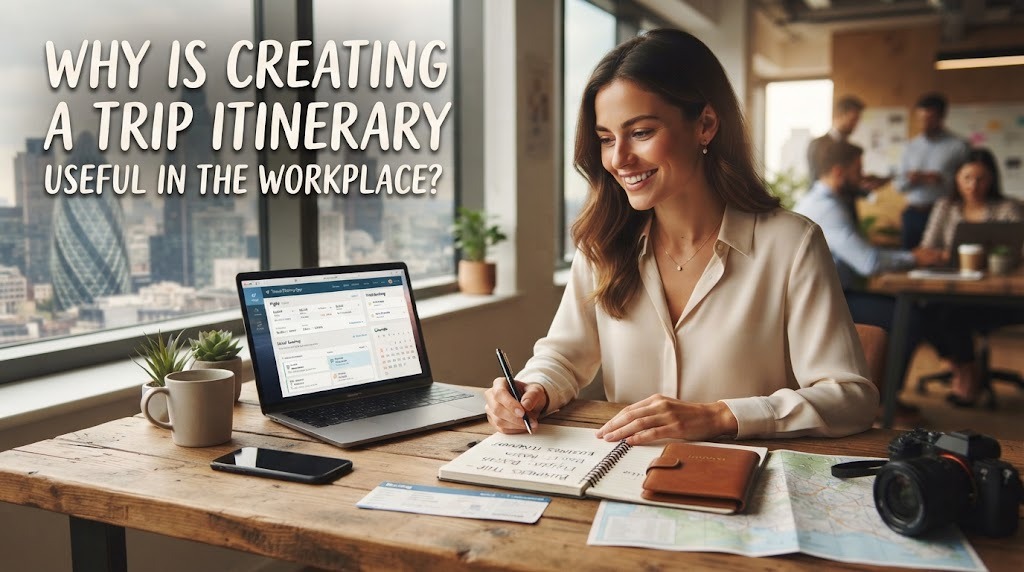
Creating a trip itinerary is not only useful for vacations but can also support professional activities. Employees may need to travel for meetings, training, conferences, business visits, or company events. A clear itinerary helps organize destinations, schedules, transportation, accommodation, and work activities. It can reduce confusion and help employees understand what needs to be completed during a business trip. The planning process can also develop skills that are useful in the workplace.
HOW CAN AN ITINERARY ORGANIZE BUSINESS TRAVEL?
A trip itinerary provides a structured overview of a business journey. Employees can record departure times, transportation details, accommodation information, meeting schedules, and planned activities in one document. This makes important information easier to find when needed. Business travel planning can also reduce the risk of forgetting important appointments or arrangements. Employees can review the schedule before and during the trip to stay organized.
A business itinerary can include contact information for clients, colleagues, hotels, transportation providers, and event organizers. Meeting locations and expected travel times can also be included. When several appointments are scheduled, the itinerary helps employees understand the order and timing of each activity. This creates a clearer connection between travel arrangements and professional responsibilities. Good travel organization can make business trips easier to manage.
HOW DOES AN ITINERARY SUPPORT TIME MANAGEMENT?
Employees often have limited time during business travel. Meetings, transportation, meals, preparation, and other responsibilities may need to fit into the same day. An itinerary helps employees allocate time for each activity and identify possible scheduling conflicts. Time management becomes more structured because employees can see the complete schedule in advance. This can help them prepare for important activities without unnecessary delays.
An effective business itinerary should include reasonable travel time between appointments. Employees should avoid scheduling meetings too close together when transportation or preparation requires additional time. A small amount of flexible time can also be included to handle unexpected delays. This makes the schedule more practical rather than overly rigid. Good schedule planning supports more efficient use of working hours.
HOW CAN AN ITINERARY IMPROVE EMPLOYEE ORGANIZATION?
Creating an itinerary requires employees to arrange information in a logical order. They need to collect details about destinations, schedules, transportation, accommodation, and professional activities. This process encourages employees to organize information before starting their journey. Organizational skills are useful in many workplace tasks, including project management and administrative work. Therefore, itinerary planning can provide practical opportunities to develop these abilities.
An organized itinerary can also make information easier to share with colleagues when necessary. Team members can understand where an employee will be, when meetings are scheduled, and what activities are planned. This can support coordination between employees who are working on the same business trip. Clear information reduces unnecessary communication and repeated questions. Effective work organization can contribute to smoother professional collaboration.
HOW DOES AN ITINERARY SUPPORT BUSINESS BUDGET CONTROL?
Business travel often involves transportation, accommodation, meals, registration fees, and other expenses. An itinerary can include estimated costs for these activities before the trip begins. Employees or organizations can compare the estimated expenses with the available travel budget. This helps identify potentially unnecessary expenses and allows adjustments to be made before departure. Financial information can also support better preparation for reimbursement or expense reporting.
Employees should record relevant receipts and expense information according to their organization's procedures. Separating planned expenses from unexpected expenses can make financial records easier to understand. If the itinerary changes, the estimated budget can also be updated. This creates a clearer connection between travel arrangements and financial management. Expense planning can therefore be a useful part of responsible business travel.
HOW CAN ITINERARY PLANNING DEVELOP PROFESSIONAL SKILLS?
Creating a trip itinerary requires several skills that are relevant to professional work. Employees need to collect information, compare options, organize schedules, make decisions, and respond to possible changes. These activities can strengthen planning skills and encourage employees to think systematically. The process may also improve attention to detail because small errors in times, locations, or reservations can affect the journey. These skills can be transferred to other workplace responsibilities.
Itinerary planning can also encourage employees to become more proactive. Instead of waiting for problems to occur, they can identify possible challenges and prepare alternatives in advance. This approach is useful when managing projects, events, meetings, or other work activities. Employees can also learn to balance priorities when several responsibilities must be completed within a limited period. As a result, professional skills can be practiced through a simple but practical planning activity.
CONCLUSION
Creating a trip itinerary can be useful in the workplace because it helps organize business travel, manage time, control expenses, and coordinate professional activities. The process also encourages employees to develop organizational, planning, decision making, and problem solving skills. A well-prepared itinerary can make business travel easier to understand and manage. It should remain realistic and flexible because meetings, transportation, and other circumstances can change. By using itinerary planning effectively, employees can connect travel preparation with broader workplace skills.
About the Author
Gusti Ayu Tita P
Author — STEKOM University
An active author focused on academic issues, educational technology, and human resource development in the campus environment.















