Why Is Customs Important for National Economic Growth?
Gusti Ayu Tita P
8 Agustus 2026
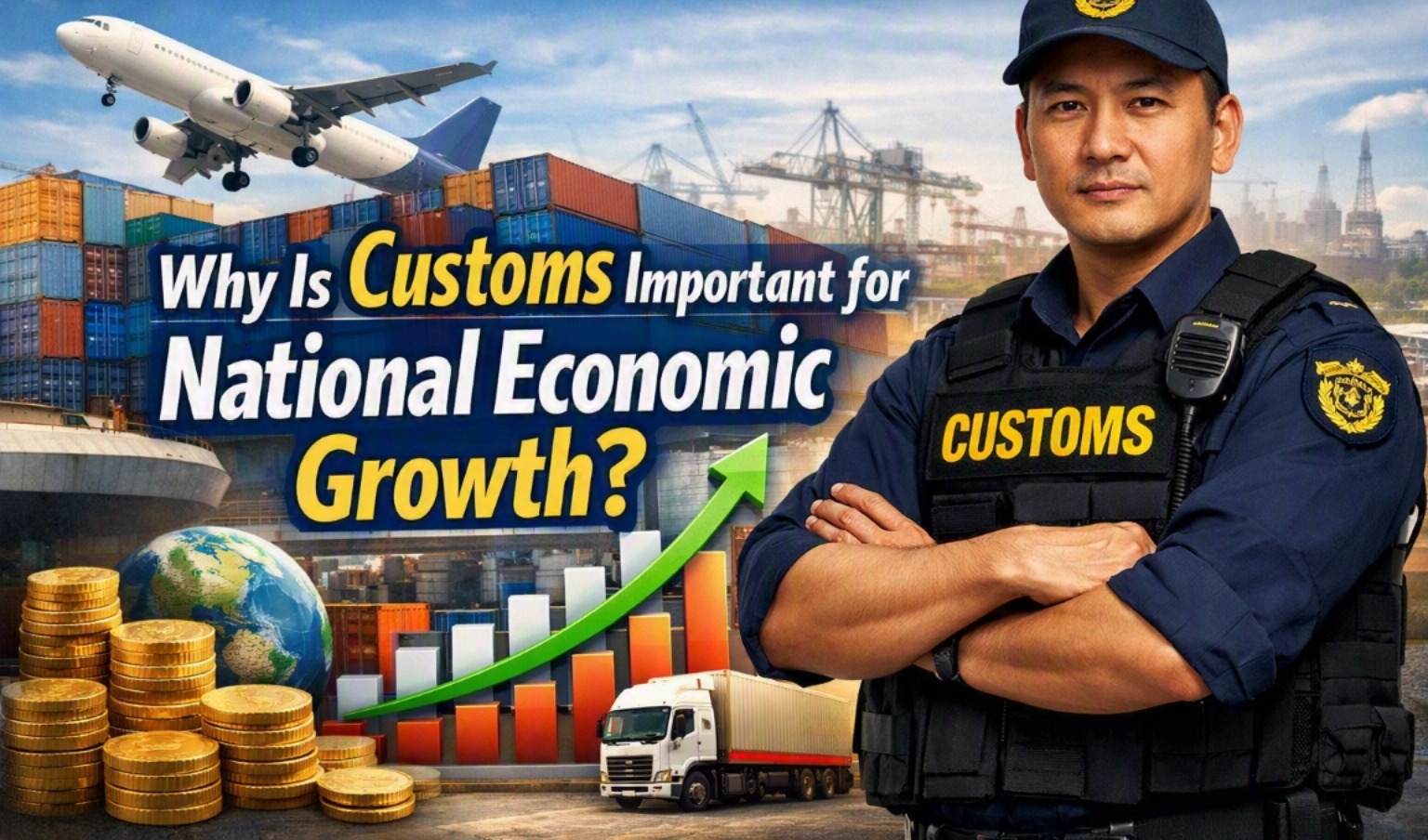
Customs plays an important role in supporting national economic growth. As international trade continues to expand, countries need an effective system to manage goods entering and leaving their borders. Customs authorities help ensure that imports and exports follow applicable laws while also collecting revenue for the government. Their work also contributes to fair trade, economic stability, and national security. Therefore, customs is not only concerned with collecting duties but also has a wider role in strengthening the national economy.
SUPPORTING INTERNATIONAL TRADE
One of the main reasons customs is important is its role in supporting international trade. Customs authorities manage the movement of goods across national borders and ensure that import and export procedures follow established regulations. A clear customs system can make international trade more organized and predictable for businesses. When procedures are efficient, companies can move their products more easily and reduce unnecessary delays. This can encourage businesses to participate in global markets and expand their customer base.
Customs also helps create a balance between facilitating trade and enforcing regulations. Efficient customs procedures can reduce administrative burdens while maintaining proper control over international shipments. This is particularly important for small and medium-sized businesses that may want to enter international markets. Easier trade procedures can increase business opportunities and contribute to higher economic activity.
GENERATING GOVERNMENT REVENUE
Customs contributes to national economic growth by collecting import duties, taxes, and other legally required payments on certain international transactions. These revenues become part of government income and can support various public programs. Governments can use public revenue to finance infrastructure, education, healthcare, transportation, and other services. In this way, customs revenue can indirectly support improvements in the quality of life and economic productivity.
However, customs revenue is not simply about collecting as much money as possible. A good customs system must apply clear and fair regulations while supporting legitimate economic activity. Excessive barriers can make trade more expensive, while weak controls can cause revenue losses. Effective customs administration therefore seeks a balance between revenue collection, trade facilitation, and economic development.
PROTECTING DOMESTIC INDUSTRIES
Customs also helps protect domestic industries from unfair or illegal international trade practices. Imported goods can sometimes enter a market through incorrect declarations, prohibited channels, or other forms of trade violations. Customs inspections and documentation checks help identify shipments that do not comply with regulations. This can create a more level playing field for businesses that follow the law.
A healthy domestic industry is important for employment and economic growth. Local companies contribute to production, create jobs, pay taxes, and develop new products and services. By enforcing trade regulations properly, customs can help prevent illegal trade activities from harming legitimate businesses. This support can strengthen local industries and improve their ability to compete in both domestic and international markets.
PREVENTING ILLEGAL TRADE
Another important function of customs is preventing illegal trade and smuggling. Customs authorities monitor goods that cross national borders and use inspections, documentation checks, risk analysis, and other control methods to identify suspicious shipments. These activities help prevent prohibited or restricted goods from entering or leaving a country illegally. Strong border controls can also reduce losses caused by fraudulent trade practices.
Preventing illegal trade has a direct connection with economic security. Smuggling and other customs violations can reduce government revenue and negatively affect legitimate businesses. Illegal goods may also create unfair competition because they avoid some of the costs and regulations faced by legal businesses. Effective customs enforcement therefore helps create a safer and more reliable trading environment.
ENCOURAGING BUSINESS COMPETITIVENESS
A modern customs system can improve business competitiveness by making trade procedures faster and more efficient. Businesses need predictable border procedures because delays can increase transportation, storage, and operational costs. Digital customs services, electronic documentation, risk-based inspections, and coordinated border processes can help reduce unnecessary administrative work. As a result, companies can spend more time and resources on production, innovation, and market development.
Improved customs services can also make a country more attractive to investors and international businesses. Companies often consider logistics, trade regulations, infrastructure, and border efficiency when deciding where to invest. A transparent and efficient customs environment can increase confidence in a country's business climate. This can support investment, production, employment, and long-term economic development.
SUPPORTING ECONOMIC STABILITY
Customs contributes to economic stability by helping governments monitor and regulate international trade. Accurate customs information can provide valuable data about the types, quantities, values, and origins of goods moving across borders. Such information can help policymakers understand trade patterns and make better economic decisions. Reliable trade data is especially useful when governments develop policies related to imports, exports, taxation, and domestic industries.
Customs can also help manage risks that may affect the national economy. For example, authorities can monitor goods that are subject to special regulations or increased controls. Proper enforcement helps ensure that trade activities remain within the legal framework. Through these functions, customs becomes an important part of a country's broader economic management system.
IMPROVING NATIONAL SECURITY
Although customs is strongly connected to trade and taxation, it also has an important role in national security. Customs authorities help control goods and shipments that cross international borders. Cooperation with other government agencies can help identify potential threats and prevent prohibited goods from entering or leaving the country. Effective border management therefore protects both economic interests and public safety.
National security and economic growth are closely connected. Businesses are more likely to operate and invest in countries with safe, stable, and well-managed borders. Strong customs controls can reduce risks while still allowing legitimate trade to continue. This balance helps create a secure environment for economic activities.
CONCLUSION
Customs is important for national economic growth because its responsibilities extend far beyond collecting duties. Customs supports international trade, generates government revenue, protects legitimate businesses, prevents illegal trade, and improves the efficiency of cross-border transactions. It also provides valuable trade information and contributes to national security. When customs administration is transparent, efficient, and properly enforced, it can support a healthier business environment.
The connection between customs and economic development is therefore significant. Efficient customs services can reduce trade costs, encourage investment, strengthen domestic industries, and support government programs. As international trade continues to develop, countries need customs systems that combine effective enforcement with trade facilitation. This makes customs an essential institution for building a competitive, stable, and sustainable national economy.
About the Author
Gusti Ayu Tita P
Author — STEKOM University
An active author focused on academic issues, educational technology, and human resource development in the campus environment.