
Why Is Electronic Stamp Duty Important for Modern Digital Transactions?
Gusti Ayu Tita P
21 Agustus 2026
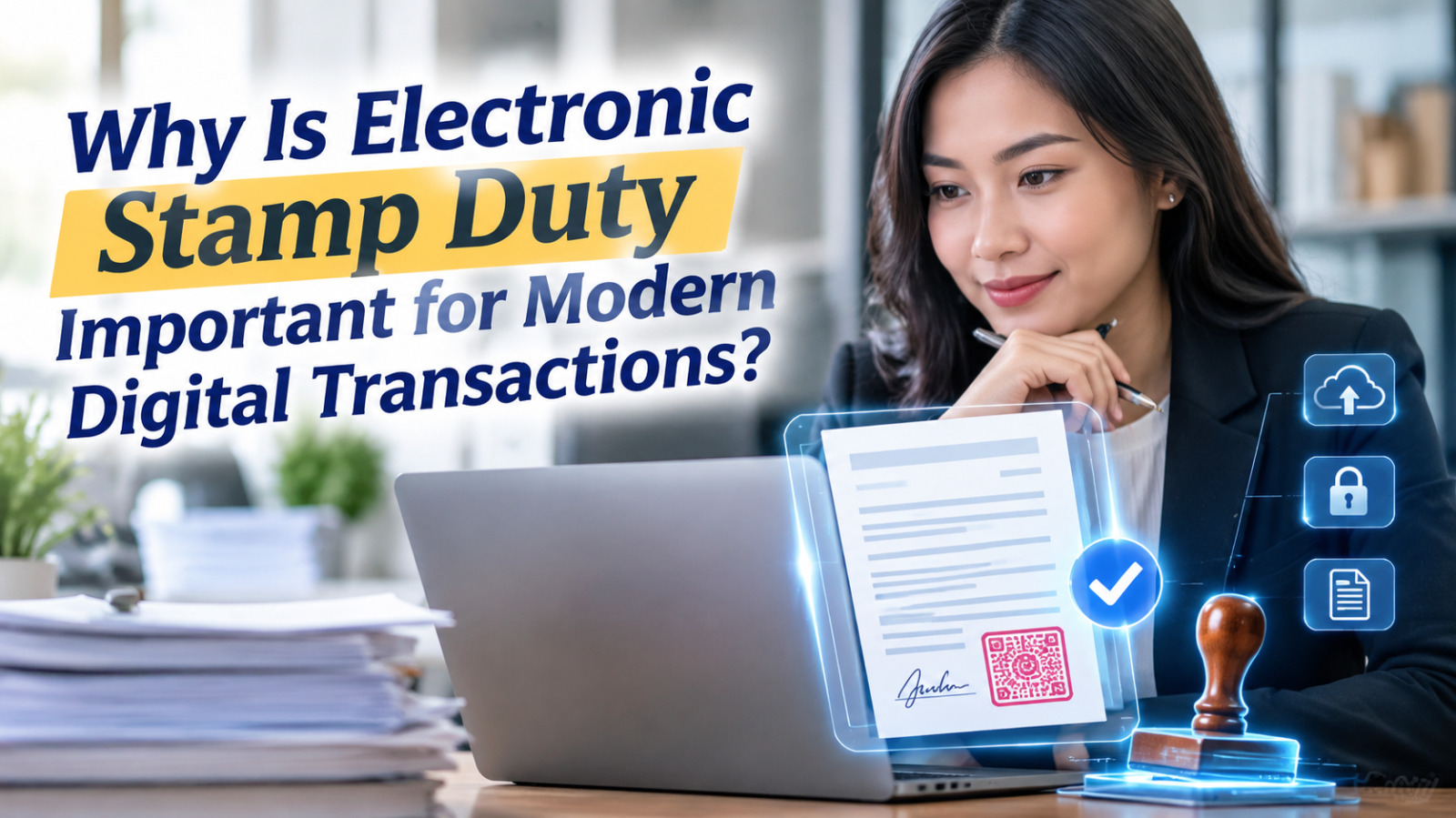
Digital transactions have become an important part of modern business and administration. As more documents are created, signed, and exchanged electronically, organizations need reliable methods to support the validity and proper processing of digital documents. Electronic stamp duty provides a practical solution for documents that are subject to stamp duty requirements in digital environments. It helps organizations manage applicable documents without relying on traditional physical stamps. Understanding its purpose and benefits can help individuals and businesses handle digital transactions more efficiently.
UNDERSTANDING ELECTRONIC STAMP DUTY
Electronic stamp duty is a digital form of stamp duty applied to eligible electronic documents. Its use is particularly relevant when transactions and agreements are completed through digital platforms instead of physical paperwork. The electronic format allows stamp duty to be incorporated into digital document workflows, making the process more suitable for modern administrative systems. Depending on the applicable regulations, certain electronic documents may require stamp duty because they contain agreements, statements, or other legally relevant information. Users should always check the current rules to determine whether a particular document is subject to stamp duty.
The importance of electronic stamp duty is closely connected to the growing use of digital documents in business and public administration. Contracts, agreements, financial records, and other documents can now be created and exchanged without being printed. Electronic stamp duty helps adapt stamp duty administration to this changing environment. It also reduces the need to maintain physical documents solely for the purpose of applying a traditional stamp. As a result, the process can become more organized and compatible with paperless workflows.
WHY ELECTRONIC STAMP DUTY MATTERS IN DIGITAL TRANSACTIONS
Modern digital transactions often involve large numbers of documents that need to be processed quickly. Using an electronic stamp duty system can make the administration of applicable documents more practical and efficient. Businesses can process documents digitally without repeatedly printing them just to complete the stamp duty process. This can save administrative time and reduce unnecessary paper consumption. It is especially useful for organizations that regularly handle contracts, agreements, invoices, or other electronic records that may require stamp duty.
Another important reason is the growing demand for efficient digital administration. Employees can manage documents through electronic systems, reducing dependence on physical document handling and manual filing. Electronic processing can also make document management easier when multiple parties work from different locations. However, electronic stamp duty should not be viewed as a replacement for every legal requirement associated with a transaction. Users still need to ensure that documents are properly prepared, signed when required, stored securely, and handled according to applicable regulations.
BENEFITS FOR BUSINESSES AND ORGANIZATIONS
One of the main benefits of electronic stamp duty is improved administrative efficiency. Businesses can integrate applicable stamp duty procedures into broader digital workflows, allowing documents to move more smoothly between departments and parties. This can reduce printing, physical storage, and manual document handling. It may also help employees spend less time managing paperwork and more time focusing on essential business activities. For companies that process many documents, these improvements can contribute to a more organized administrative system.
Electronic stamp duty can also support paperless operations and modern document management practices. Digital records are generally easier to organize, search, and distribute than large collections of physical paperwork when appropriate systems are used. Secure electronic storage can help organizations maintain records and retrieve them when necessary. Nevertheless, businesses should implement appropriate access controls, backups, and security procedures to protect sensitive documents. The effectiveness of electronic stamp duty therefore depends not only on the stamp duty process itself but also on responsible digital document management.
SECURITY AND COMPLIANCE IN ELECTRONIC TRANSACTIONS
Security is an important consideration when dealing with electronic documents. Organizations should use official and trusted systems when applying electronic stamp duty and should avoid obtaining digital stamps from unauthorized sources. Document authenticity and verification are essential because digital files can be copied, altered, or distributed easily. Proper procedures can help users verify whether an electronic stamp duty has been applied correctly. Businesses should also restrict access to important documents and protect accounts used to manage digital transactions.
Compliance is equally important because stamp duty requirements depend on applicable laws and regulations. Electronic stamp duty does not automatically make every digital document legally valid, and it should not be confused with other requirements such as electronic signatures, contractual consent, or document authentication. Organizations should identify which documents require stamp duty and follow the procedures established by the relevant authority. Keeping records of transactions and applying the correct process can help reduce administrative and compliance risks. When a transaction involves significant legal or financial consequences, professional legal or tax advice may be appropriate.
CONCLUSION
Electronic stamp duty is important because digital transactions are becoming increasingly common in modern business and administration. It provides a practical way to manage applicable stamp duty requirements within an electronic document environment. Its main advantages include greater administrative efficiency, reduced reliance on paper, easier digital document management, and better integration with modern workflows. However, users must still follow applicable regulations and use authorized systems to ensure proper compliance. By understanding how electronic stamp duty works, businesses and individuals can manage digital transactions more efficiently while maintaining appropriate legal and administrative standards.
About the Author
Gusti Ayu Tita P
Author — STEKOM University
An active author focused on academic issues, educational technology, and human resource development in the campus environment.















