
Why Is Indonesian History Important for Young Generations?
Gusti Ayu Tita P
5 Agustus 2026
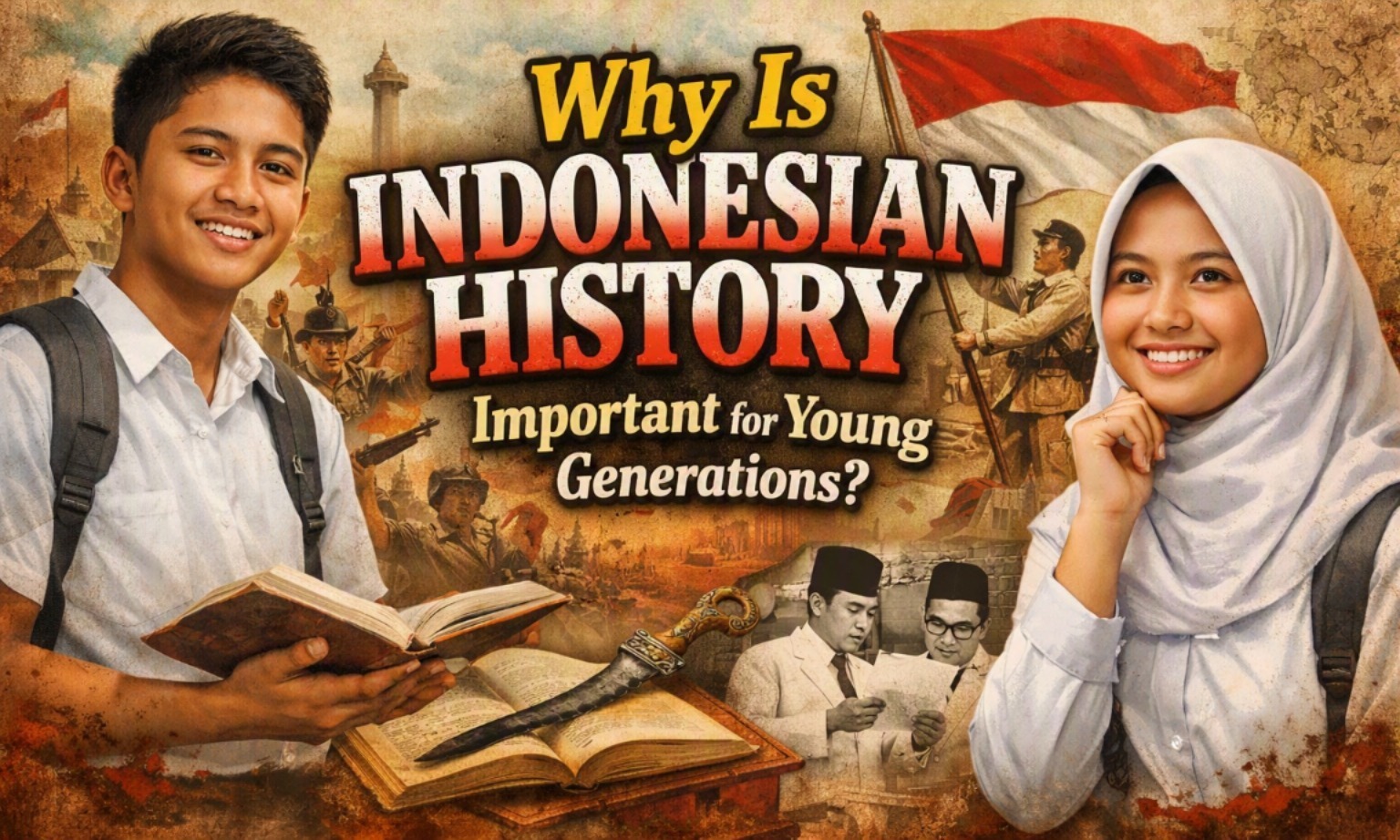
Indonesian history is more than a collection of events from the past. It is a valuable source of knowledge that explains how the nation was formed, how independence was achieved, and how the country continues to develop today. By learning about historical events, young generations can better understand the values, struggles, and achievements that shaped modern Indonesia.
In today's rapidly changing world, many young people are focused on technology and global trends. However, understanding Indonesian history remains essential because it strengthens identity, encourages critical thinking, and inspires future contributions to society. History provides lessons that remain relevant for every generation.
UNDERSTANDING THE ROOTS OF NATIONAL IDENTITY
Learning Indonesian history helps young people understand where their nation comes from and how it has evolved over time. From the era of ancient kingdoms to the struggle for independence, every historical period contributed to the country's unique identity. This knowledge creates a stronger sense of belonging and national pride.
A clear understanding of the nation's roots also encourages respect for cultural diversity. Indonesia consists of many ethnic groups, languages, and traditions, yet history shows how these differences have united under one nation. National identity becomes stronger when young generations appreciate the journey that built Indonesia.
LEARNING FROM THE STRUGGLES OF NATIONAL HEROES
One of the most valuable lessons in Indonesian history comes from the sacrifices made by national heroes. They demonstrated courage, determination, and patriotism while fighting for freedom and justice. Their efforts remind young people that meaningful achievements often require dedication and perseverance.
The stories of these heroes also encourage responsibility and leadership. By understanding their struggles, young generations can develop a stronger commitment to improving their communities. History transforms inspiring stories into practical values that can be applied in everyday life.
DEVELOPING CRITICAL THINKING THROUGH HISTORY
Studying history encourages students to examine events from different perspectives rather than accepting information without question. They learn to analyze causes, consequences, and the relationships between historical events. This process strengthens critical thinking and improves problem-solving skills.
History also teaches the importance of evaluating reliable sources and understanding different viewpoints. These abilities are especially valuable in the digital era, where information spreads quickly and misinformation can easily appear. A historical mindset helps young people make informed decisions based on facts.
PRESERVING CULTURAL HERITAGE
Indonesia has an incredibly rich cultural heritage that includes traditional arts, languages, architecture, customs, and local wisdom. Understanding Indonesian history helps young generations recognize the importance of preserving these valuable traditions. Cultural preservation ensures that future generations can continue to appreciate the nation's diversity.
Modernization should not replace cultural identity. Instead, history teaches that progress and tradition can exist together. By respecting cultural heritage, young people contribute to maintaining Indonesia's unique character while embracing innovation.
BUILDING RESPONSIBLE CITIZENS
History teaches the importance of citizenship, democracy, cooperation, and social responsibility. By learning about past successes and challenges, young people gain a deeper understanding of their rights and responsibilities as citizens. They become more aware of the importance of contributing positively to society.
Responsible citizens are essential for national development. Historical knowledge encourages active participation in education, community service, environmental protection, and civic activities. These contributions strengthen both local communities and the nation as a whole.
AVOIDING THE MISTAKES OF THE PAST
History is often described as a valuable teacher because it provides lessons from previous generations. Understanding past conflicts, economic difficulties, and political challenges helps society avoid repeating similar mistakes. Young people can use these lessons to make wiser decisions in the future.
Learning from history also encourages peaceful conflict resolution and greater respect for diversity. Rather than repeating past divisions, future generations can build stronger cooperation based on mutual understanding. Historical awareness supports long-term national stability and progress.
PREPARING FUTURE LEADERS
Future leaders need more than technical skills. They also require wisdom, integrity, and a deep understanding of their nation's development. Indonesian history provides valuable examples of leadership during both difficult and successful periods.
Young people who understand history are often better prepared to make balanced decisions. They recognize that sustainable progress requires cooperation, vision, and respect for national values. History therefore becomes an important foundation for responsible leadership.
CONCLUSION
Indonesian history plays a vital role in shaping knowledgeable, responsible, and confident young generations. It strengthens national identity, develops critical thinking, preserves cultural heritage, and inspires leadership based on valuable historical lessons. By understanding the nation's past, young people become better prepared to face future challenges while contributing positively to Indonesia's continued development. Learning history is not only about remembering the past but also about building a stronger future.
About the Author
Gusti Ayu Tita P
Author — STEKOM University
An active author focused on academic issues, educational technology, and human resource development in the campus environment.















