
Why Is Itinerary Planning Important For Employees Who Travel Frequently?
Gusti Ayu Tita P
17 September 2026
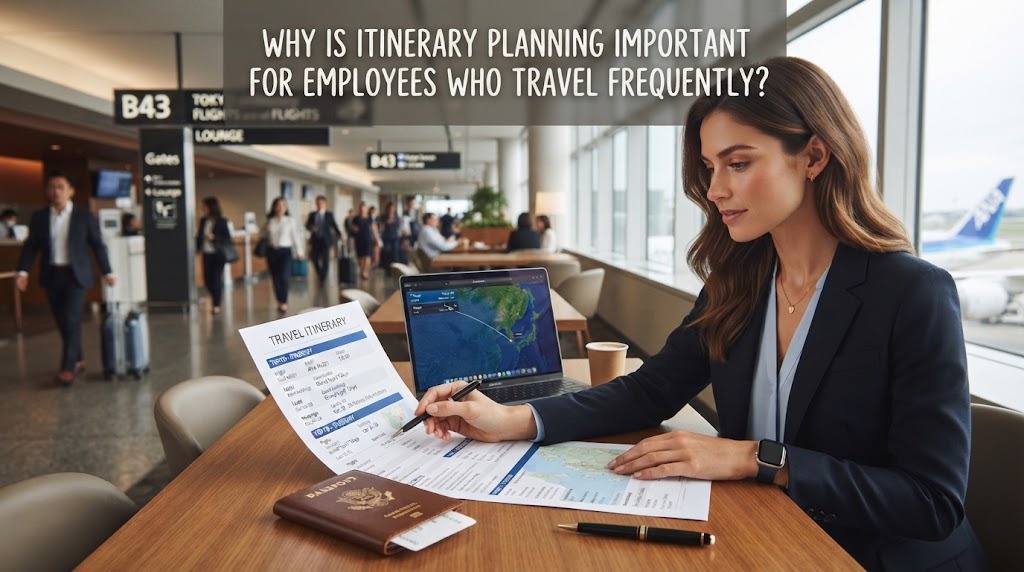
Employees who travel frequently often need to manage several activities within a limited amount of time. Business trips may involve meetings, training, conferences, client visits, or other professional responsibilities. Without proper preparation, employees may have difficulty organizing transportation, schedules, and work activities. Creating a Trip Itinerary can help employees arrange their travel plans in a clear and practical way. It can also support better time management and preparation throughout a business trip.
ORGANIZED BUSINESS TRAVEL PREPARATION
Itinerary planning helps employees collect important travel information before leaving for a business trip. The plan can include transportation details, accommodation, meeting locations, schedules, and contact information. Arranging these details in one place makes important information easier to access. Employees can also review the itinerary before departure to identify missing information. This creates a more Organized Travel process and reduces unnecessary confusion.
Good preparation is particularly useful when an employee has several responsibilities during the same trip. A clear itinerary allows employees to understand where they need to be and when each activity should take place. It can also help them prepare documents, equipment, or materials required for meetings. By organizing these details in advance, employees can focus more on their professional responsibilities. This makes itinerary planning a practical part of business travel preparation.
EFFICIENT TIME MANAGEMENT
Frequent business travelers often have tight schedules that require careful time management. An itinerary allows employees to arrange meetings, transportation, meals, rest periods, and other activities within the available time. Travel time between locations can also be considered when creating the schedule. This helps employees avoid scheduling activities too closely together. Effective Time Management can make business trips easier to manage.
Time management is especially important when employees need to attend several professional activities in different locations. A realistic schedule gives employees enough time to move between destinations and prepare for each activity. It also allows them to identify periods that may need adjustment if delays occur. Employees can therefore use their available time more efficiently. This habit can also support better time management in their regular workplace activities.
SUPPORTING WORK RESPONSIBILITIES
Business travel is often connected to specific work responsibilities. Employees may need to meet clients, attend seminars, visit company branches, or participate in training programs. An itinerary can help them connect each travel activity with its related professional purpose. This makes it easier to prepare the required documents and materials before each event. As a result, Work Preparation can become more organized during the trip.
A well-planned itinerary can also help employees avoid forgetting important responsibilities. For example, they can include meeting times, presentation schedules, deadlines, and contact information in the plan. Checking these details regularly can help employees stay focused on their work objectives. Itinerary planning therefore supports both travel preparation and professional task management. This can be particularly useful for employees who travel regularly.
PREPARING FOR UNEXPECTED CHANGES
Business trips do not always follow the original schedule. Flights or other transportation may be delayed, meetings may be rescheduled, or unexpected work activities may appear. Employees who prepare alternative options can respond to these changes more easily. An itinerary can include flexible time periods and backup arrangements when necessary. This supports Flexible Planning and helps employees adapt without completely losing control of their schedules.
Preparing for changes is also important because professional activities may have strict deadlines. Employees need to make adjustments while still completing their main responsibilities. A flexible itinerary allows them to identify which activities can be moved and which ones must remain fixed. This can make decision making easier when unexpected situations occur. Good preparation therefore helps employees maintain a structured approach even when plans change.
IMPROVING PRODUCTIVITY DURING BUSINESS TRIPS
An itinerary can help employees use their travel time more effectively. Instead of spending time deciding what to do next, employees can refer to their prepared schedule. They can also identify periods for reviewing documents, preparing presentations, responding to messages, or taking necessary breaks. This creates a better balance between travel activities and professional responsibilities. Travel Productivity can therefore improve when employees have a clear plan.
Productivity during business travel also depends on maintaining realistic expectations. An itinerary should not contain too many activities that leave employees without enough time to rest or prepare. A balanced schedule can help maintain focus throughout the trip. Employees can adjust activities when necessary while keeping their main professional goals in mind. In this way, itinerary planning can support productive and manageable business travel.
CONCLUSION
Itinerary planning is important for employees who travel frequently because it helps organize travel and professional responsibilities. A well-prepared Trip Itinerary can support Organized Travel, Time Management, Work Preparation, Flexible Planning, and Travel Productivity. These benefits can help employees manage meetings, transportation, schedules, and unexpected changes more effectively. A practical itinerary should remain flexible while still providing clear guidance throughout the journey. By using itinerary planning consistently, frequent business travelers can create a more structured approach to managing their professional trips.
About the Author
Gusti Ayu Tita P
Author — STEKOM University
An active author focused on academic issues, educational technology, and human resource development in the campus environment.















