Why Is LDKS Important for Improving Student Discipline?
Gusti Ayu Tita P
19 September 2026
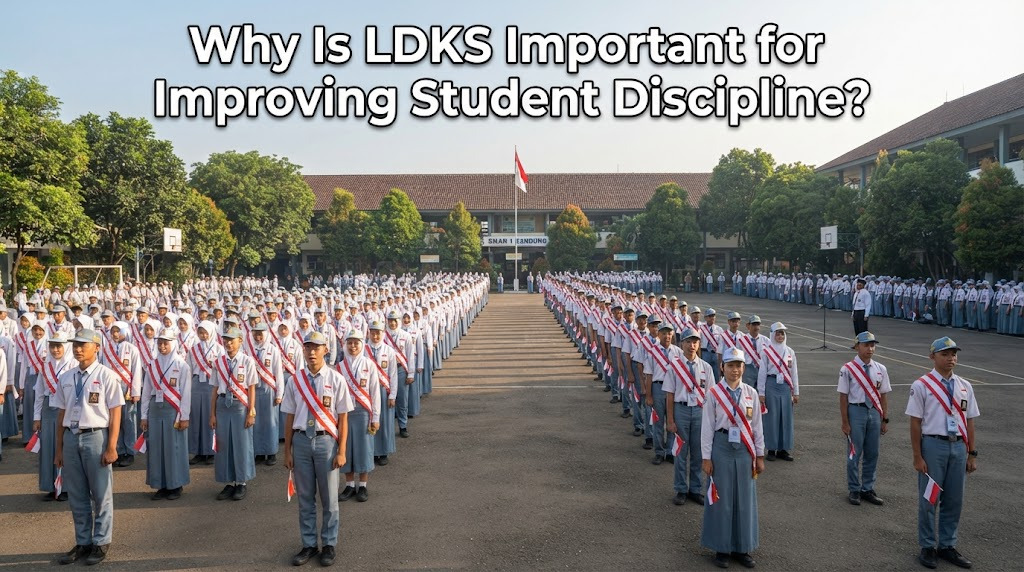
LDKS, or Latihan Dasar Kepemimpinan Siswa, is a student leadership training program designed to develop leadership abilities, character, and organizational skills. The program usually combines classroom sessions with practical activities such as teamwork, discussions, simulations, and group challenges. Through these activities, students can learn how to manage responsibilities and follow established rules. Student discipline is one of the important values that can be introduced and practiced during LDKS. The training provides students with opportunities to experience discipline in situations that require active participation.
Discipline is not only about obeying rules because someone tells students to do so. It also involves developing the ability to control actions, manage time, and complete responsibilities consistently. LDKS can help students understand why these habits are important for achieving individual and group goals. By practicing them during training, students can gradually become more aware of their responsibilities.
HOW DOES LDKS TEACH STUDENTS TO FOLLOW RULES?
One of the main ways LDKS can improve discipline is by introducing students to clear rules and expectations. Participants may be required to follow schedules, attend activities, complete assignments, and follow instructions from trainers. These requirements teach students that rules help activities run in an organized manner. Students can also see how failing to follow instructions may affect other members of the group. This experience can encourage greater awareness of the importance of following agreed rules.
LDKS can also teach students that discipline should come from self-awareness, not only from external supervision. When students understand the purpose behind a rule, they may become more willing to follow it. For example, arriving on time allows a group activity to begin according to schedule. Small habits like this can help students develop a more consistent attitude toward their responsibilities.
HOW DOES LDKS IMPROVE STUDENT TIME MANAGEMENT?
Time management is closely connected to discipline because students need to organize their activities and complete tasks within specific periods. LDKS often uses a structured schedule that requires participants to arrive at certain times and move between activities according to a plan. Students learn that being late or delaying a task can affect the entire group. This can encourage them to become more careful when managing their time.
Students may also receive tasks with specific deadlines during the training. Completing these tasks requires them to determine priorities and avoid unnecessary delays. Punctuality and consistency can gradually become habits when students practice them repeatedly. These habits can later be applied to school assignments, organizational activities, and daily routines.
HOW DOES TEAMWORK ENCOURAGE DISCIPLINE?
LDKS frequently uses teamwork activities to show students how individual discipline can affect group performance. When students work together, every member usually has a specific role or responsibility. If one person does not complete their task, the progress of the entire team may be affected. This situation helps students understand that discipline is not only a personal matter. It can also influence the success of other people.
Teamwork also encourages students to respect schedules and agreements made within their groups. They need to communicate clearly and complete their responsibilities so that everyone can work efficiently. Responsibility and cooperation therefore become connected with discipline. Students can learn that reliable team members are those who can be trusted to complete their duties.
HOW DOES LDKS DEVELOP SELF DISCIPLINE?
Self-discipline means being able to control one's behavior and remain committed to responsibilities without always needing someone else to supervise. LDKS can encourage this ability by giving students opportunities to manage tasks independently. They may need to prepare materials, follow instructions, complete assignments, or maintain their schedules. These activities can help students become more aware of their own actions.
LDKS can also encourage students to evaluate their behavior after completing an activity. Trainers may provide feedback about punctuality, teamwork, responsibility, or compliance with rules. Students can use this feedback to identify habits that need improvement. Reflection and continuous improvement can help students develop discipline that comes from personal awareness.
HOW CAN LDKS HELP STUDENTS APPLY DISCIPLINE IN DAILY LIFE?
The discipline practiced during LDKS can be connected to students' daily activities. For example, students can apply punctuality when attending school, managing assignments, or participating in extracurricular activities. They can also use time-management skills to organize study schedules and other responsibilities. Following through on commitments can help students become more dependable. These habits can be useful both inside and outside the classroom.
However, the lasting effect of LDKS depends on how consistently students apply what they have learned. A short training program cannot automatically create permanent discipline. Regular practice, support from teachers, and personal commitment are important for turning training experiences into lasting habits. When students continue practicing these values, the lessons from LDKS can become part of their everyday behavior.
CONCLUSION
LDKS can support student discipline by providing structured opportunities to practice rules, punctuality, time management, teamwork, and responsibility. Students learn that discipline helps activities run smoothly and allows groups to achieve shared goals. Through practical experiences and feedback, they can also develop greater self-awareness and self-discipline. The habits learned during LDKS can be applied to academic activities, organizations, and everyday responsibilities. Overall, LDKS can become a useful learning experience for helping students understand and practice disciplined behavior consistently.
About the Author
Gusti Ayu Tita P
Author — STEKOM University
An active author focused on academic issues, educational technology, and human resource development in the campus environment.