
Why Is Professional Competence Important In Getting A Job?
Gusti Ayu Tita P
21 Agustus 2026
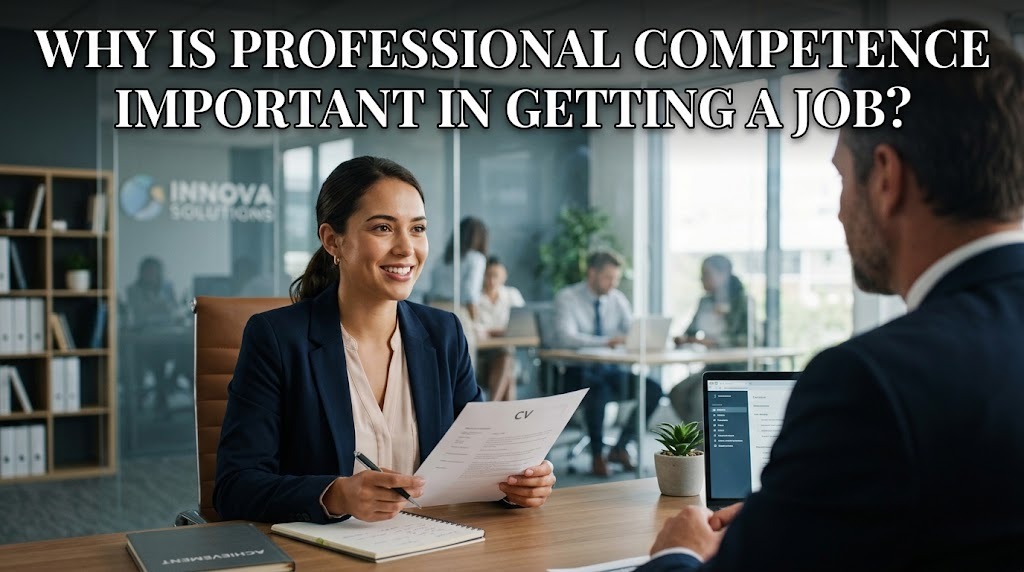
Finding a job is not only about having an educational background or submitting a strong resume. Employers also look for candidates who have the professional competence needed to perform their responsibilities effectively. Professional competence includes knowledge, practical skills, communication abilities, and the right attitude for a particular job. These qualities can help applicants stand out in a competitive job market. Understanding and developing professional competence can therefore increase a person's chances of getting and keeping a job.
WHAT IS PROFESSIONAL COMPETENCE?
Professional competence refers to the combination of knowledge, skills, abilities, and attitudes that allow a person to perform a job properly. It includes both technical abilities related to a specific profession and soft skills needed to work effectively with other people. For example, an accountant needs financial knowledge and analytical skills, while also requiring accuracy and communication skills. The specific competencies required depend on the position, industry, and level of responsibility.
Professional competence is usually developed through education, training, internships, work experience, and continuous learning. A person does not necessarily become competent simply by earning a degree. Practical experience allows individuals to apply what they have learned to real workplace situations. This combination of theoretical knowledge and practical ability makes candidates more prepared for professional responsibilities.
WHY EMPLOYERS VALUE PROFESSIONAL COMPETENCE
Employers value professional competence because competent employees are generally better prepared to complete their responsibilities. They can understand tasks, solve problems, follow procedures, and make appropriate decisions. Hiring candidates with relevant competencies can also reduce the amount of basic training required after recruitment. For this reason, professional competence can become an important consideration during the hiring process.
Competent employees can also contribute to organizational performance. They are more capable of producing quality work, meeting deadlines, and responding to challenges. When employees understand their roles clearly, they can work more efficiently and support their teams. Therefore, employers often consider competence when evaluating whether a candidate is suitable for a particular position.
PROFESSIONAL COMPETENCE IMPROVES JOB OPPORTUNITIES
Strong professional competence can make a candidate more competitive when applying for a job. Recruiters often compare applicants based on their skills, qualifications, experience, and potential contribution to the organization. Candidates who can demonstrate relevant abilities may have a stronger chance of progressing through the recruitment process. Competence can also help applicants provide convincing answers during interviews.
For example, a marketing candidate who understands digital marketing, customer behavior, content creation, and data analysis may have an advantage when applying for a marketing position. However, technical knowledge alone may not be enough. Employers may also look for communication, teamwork, adaptability, and problem-solving abilities. A combination of technical and interpersonal skills creates a stronger job candidate.
THE IMPORTANCE OF TECHNICAL AND SOFT SKILLS
Professional competence consists of both technical skills and soft skills. Technical skills are specific abilities needed to perform certain tasks, such as operating software, analyzing data, designing products, or managing financial records. Soft skills include communication, teamwork, leadership, time management, and adaptability. Both categories are important because modern workplaces require employees to perform tasks while interacting effectively with others.
A candidate with excellent technical skills may still experience difficulties if they cannot communicate clearly or cooperate with colleagues. Similarly, strong communication skills may not compensate for a lack of technical knowledge required for a specialized position. Developing both types of skills can create a more balanced professional profile. This balance can increase an individual's workplace readiness and career potential.
PROFESSIONAL COMPETENCE BUILDS EMPLOYER TRUST
Employers need to trust employees with important responsibilities. Professional competence helps demonstrate that a candidate has the ability to complete assigned tasks accurately and responsibly. During interviews, applicants can demonstrate competence by explaining previous projects, internships, training, or work experiences. Specific examples are often more convincing than simply claiming to be skilled.
Competence also contributes to professional credibility after someone is hired. Employees who consistently produce quality results can earn greater trust from managers and colleagues. Over time, this trust may lead to additional responsibilities, promotions, or opportunities to participate in important projects. Professional competence therefore matters not only for getting a job but also for developing a long-term career.
HOW TO DEVELOP PROFESSIONAL COMPETENCE
Developing professional competence requires continuous improvement. Students and job seekers can begin by identifying the skills commonly required in their target profession. They can then take relevant courses, attend workshops, complete certifications, or participate in internships. Practical projects are also useful because they allow individuals to demonstrate what they can actually do.
It is equally important to develop soft skills through real activities. Joining organizations, working on team projects, volunteering, or participating in professional communities can improve communication and collaboration. Job seekers should also regularly update their resumes and portfolios to show relevant achievements. By continuously learning and practicing, individuals can become more confident and better prepared for changing workplace demands.
CONCLUSION
Professional competence is important in getting a job because it demonstrates that a candidate has the knowledge, skills, and attitude needed to perform effectively. Employers use competence as one of the factors for evaluating whether an applicant is suitable for a position. Strong technical abilities combined with communication, teamwork, adaptability, and problem-solving skills can make candidates more competitive. Professional competence can also build trust and support career development after employment begins. For students and job seekers, investing in relevant skills and practical experience is one of the best ways to improve career opportunities.
About the Author
Gusti Ayu Tita P
Author — STEKOM University
An active author focused on academic issues, educational technology, and human resource development in the campus environment.















