
Why Is Scouting Important For Building Strong Character In Young Generations?
Gusti Ayu Tita P
31 Juli 2026
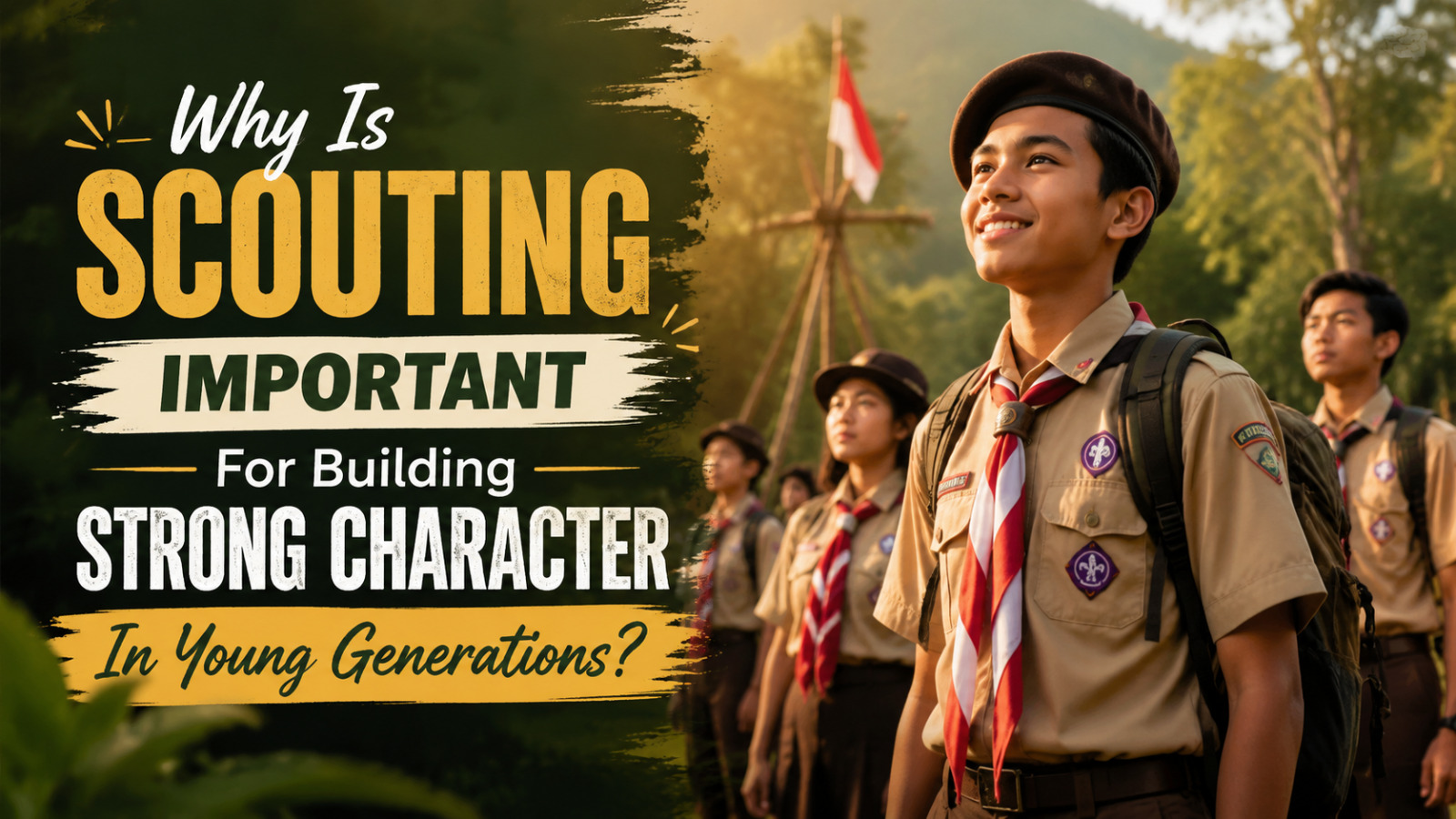
Scouting has become one of the most effective activities for helping young people develop strong character, valuable life skills, and positive attitudes. Through various outdoor activities, teamwork exercises, and leadership experiences, scouting teaches lessons that are difficult to gain only through classroom learning. The program focuses on building individuals who are responsible, disciplined, and prepared to face challenges in everyday life.
In the modern era, where many young people spend more time with digital technology, scouting remains important because it provides real-world experiences. It encourages young generations to develop confidence, respect for others, and the ability to work together. By participating in scouting activities, young people can grow into individuals with strong values and better preparation for the future.
THE ROLE OF SCOUTING IN CHARACTER DEVELOPMENT
Scouting plays an important role in shaping the personality and character of young generations through practical learning experiences. Unlike traditional education that mainly focuses on academic knowledge, scouting provides opportunities to practice important values directly. Activities such as camping, community service, and group challenges teach young people about responsibility, honesty, and cooperation.
Through regular participation, scouts learn how to make decisions, solve problems, and accept the consequences of their actions. These experiences help develop emotional maturity and independence. Young people who join scouting activities often become more prepared to handle difficulties because they have learned how to stay calm and find solutions.
Scouting also creates an environment where young people can understand the importance of helping others. The spirit of teamwork and service encourages them to become more caring members of society. These lessons contribute to the formation of positive character traits that are valuable throughout their lives.
BUILDING DISCIPLINE AND RESPONSIBILITY THROUGH SCOUTING
One of the main benefits of scouting is teaching discipline and responsibility from an early age. Scouts are trained to follow rules, manage their time, complete tasks, and respect commitments. These habits help young people understand that success requires effort, consistency, and dedication.
Scouting activities often involve structured programs where every member has specific roles and responsibilities. For example, during group projects or outdoor activities, each scout must contribute to achieve a common goal. This process teaches them the importance of being reliable and supporting their teammates.
The discipline learned in scouting is not only about following instructions but also about developing self-control. Young people learn to become responsible for their own behavior and decisions. These qualities can help them in education, careers, and personal relationships in the future.
DEVELOPING LEADERSHIP AND TEAMWORK SKILLS
Scouting is widely recognized as an activity that helps young people develop leadership skills and teamwork abilities. Many scouting programs provide opportunities for members to lead groups, organize activities, and guide their friends. These experiences build confidence and improve communication skills.
Leadership in scouting is not only about giving instructions but also about understanding others and working together. Young people learn that effective leaders must listen, respect different opinions, and encourage their team members. These lessons create future leaders who are more responsible and empathetic.
Teamwork activities in scouting also teach young people how to cooperate with individuals from different backgrounds. They learn that achieving a goal often requires collaboration and mutual support. This ability becomes increasingly important in modern society, where teamwork is needed in almost every field.
SCOUTING HELPS YOUNG PEOPLE DEVELOP CONFIDENCE
Many young people struggle with self-confidence, especially when facing new challenges. Scouting helps overcome this problem by providing experiences that encourage personal growth. Through outdoor activities, competitions, and group tasks, scouts learn to trust their abilities and become more confident.
The supportive environment in scouting allows young people to make mistakes and learn from them. Instead of avoiding challenges, they are encouraged to try new things and improve their skills. This process develops a stronger mindset and greater courage.
Confidence gained through scouting can influence many areas of life. Young people who are confident are more likely to participate actively in school, communities, and future workplaces. Therefore, scouting becomes an effective way to prepare young generations for success.
THE IMPORTANCE OF SCOUTING IN THE DIGITAL ERA
The development of technology has changed how young people communicate, learn, and spend their time. Although digital tools provide many benefits, excessive dependence on technology can reduce opportunities for direct social interaction. Scouting provides a balance by encouraging real-world experiences and face-to-face relationships.
Through outdoor activities and community involvement, scouting helps young people develop social skills, empathy, and awareness of their surroundings. These qualities are important because technology cannot fully replace human connection and practical experiences.
Scouting also teaches young people to use their abilities responsibly in the modern world. By combining traditional values with modern challenges, scouting remains relevant for developing individuals who are adaptable, ethical, and prepared for the future.
About the Author
Gusti Ayu Tita P
Author — STEKOM University
An active author focused on academic issues, educational technology, and human resource development in the campus environment.















