Why Is the Role of a Governor Important to Society?
Gusti Ayu Tita P
12 Agustus 2026
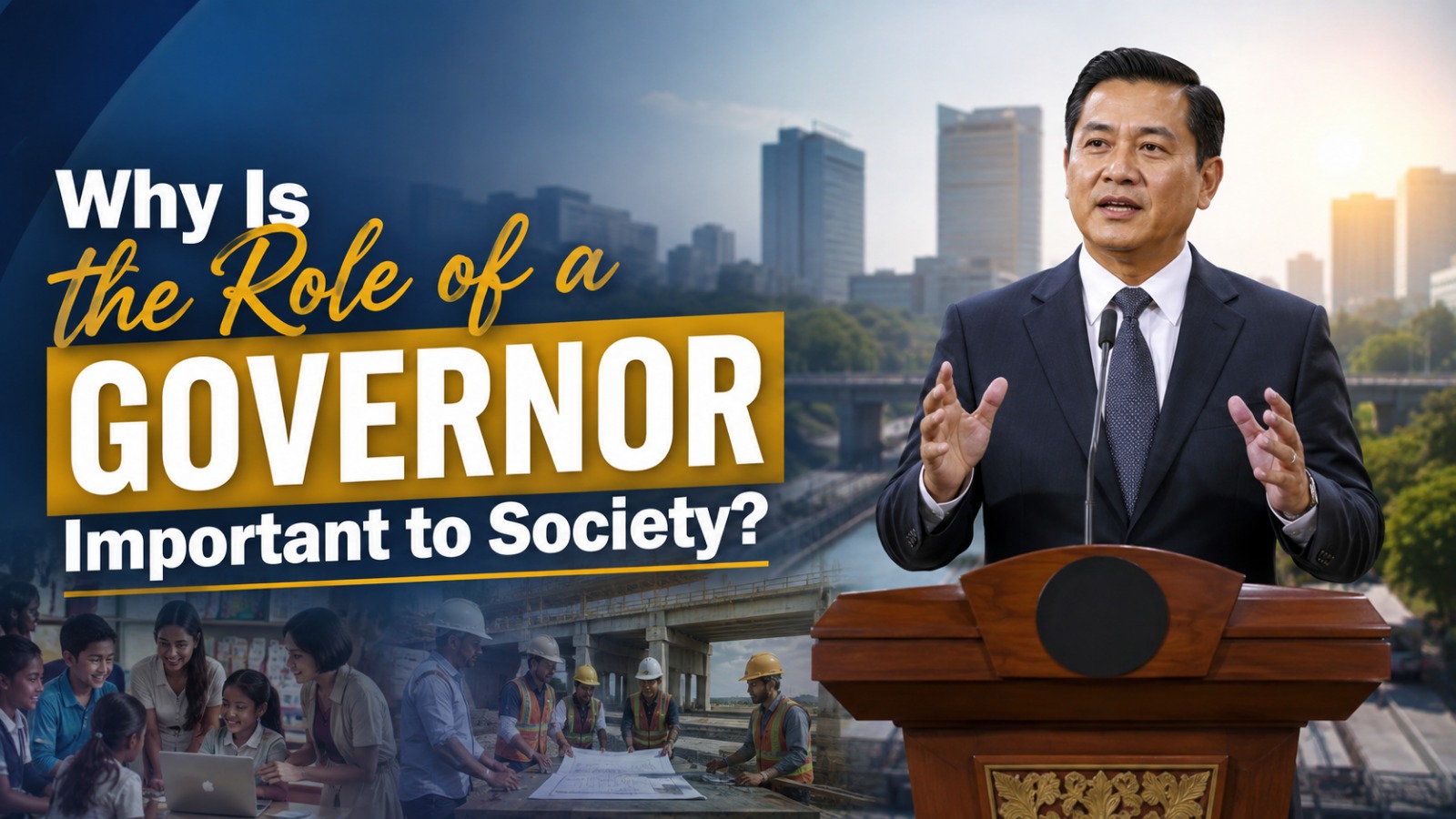
The role of a governor is important because governors help lead regional governments and coordinate development at the provincial level. Their decisions can affect public services, infrastructure, economic opportunities, education, healthcare, and environmental management. A governor must understand regional conditions and create policies that respond to the needs of local communities.
Governors also serve as an important link between different levels of government. They coordinate with the central government, local governments, public institutions, and communities to support regional development. Effective leadership can help ensure that government programs are better organized, more responsive, and beneficial to society.
LEADING REGIONAL GOVERNMENT
One of the main responsibilities of a governor is leading the administration of a province. Governors guide regional government institutions and help ensure that policies are implemented according to applicable laws and development priorities. They also need to coordinate government programs so that different agencies can work toward common goals.
Good regional leadership requires careful decision-making and accountability. Governors must consider public needs, available resources, and the long-term effects of their policies. When regional government is well managed, public programs can be delivered more effectively and consistently.
SUPPORTING REGIONAL DEVELOPMENT
Governors play an important role in promoting regional development. They can support infrastructure, transportation, education, healthcare, economic activities, and other areas within their authority. Development programs should be designed according to the characteristics and needs of each region.
Balanced development is particularly important because not all communities have the same access to facilities and economic opportunities. Governors need to pay attention to rural, remote, and less-developed areas. Better planning can help reduce regional disparities and provide broader opportunities for citizens.
IMPROVING PUBLIC SERVICES
Public services have a direct impact on people's daily lives. Healthcare, education, transportation, social services, and administrative services need to be accessible and reliable. Governors can help improve these services by strengthening regional institutions, supporting qualified personnel, and evaluating service quality.
Technology can also help make government services faster and more accessible. However, digital services should be accompanied by appropriate support for people who have limited internet access or digital skills. An inclusive approach ensures that modernization does not leave certain groups behind.
SUPPORTING ECONOMIC OPPORTUNITIES
A strong regional economy can improve household incomes and create more employment opportunities. Governors can support local economic sectors based on regional potential, including agriculture, tourism, manufacturing, fisheries, trade, and creative industries. They can also encourage an environment that supports businesses and investment within the region.
Economic development should benefit communities broadly rather than only a small number of sectors or areas. Support for small businesses, workforce training, infrastructure, and access to markets can help more people participate in economic growth. These efforts can contribute to stronger and more resilient local economies.
PROTECTING COMMUNITY WELFARE
The role of a governor also involves supporting policies that improve people's quality of life. Regional governments may address issues such as poverty, unemployment, access to healthcare, education, and social protection within their responsibilities. Effective policies should pay attention to vulnerable communities and areas with greater needs.
Improving welfare requires more than providing short-term assistance. Governments should also create opportunities that help people become more economically independent. Education, skills development, employment programs, and access to essential services can provide longer-term benefits for communities.
PROTECTING THE ENVIRONMENT
Environmental conditions have a direct connection with public welfare. Pollution, flooding, waste, ecosystem damage, and unsustainable land use can affect health, livelihoods, and regional economic activity. Governors therefore have an important role in supporting environmental policies within their authority.
Sustainable development requires a balance between economic progress and environmental protection. Regional governments can encourage responsible resource management, better waste systems, environmental conservation, and disaster preparedness. These efforts can protect communities while supporting development over the long term.
CONNECTING GOVERNMENT AND COMMUNITIES
Governors can help strengthen communication between government institutions and society. Citizens need clear information about government programs, policies, and public services. At the same time, governments need to understand the problems and expectations of the communities they serve.
Public participation can make regional policies more responsive. Governors can encourage consultations, feedback channels, and community engagement to understand conditions on the ground. Listening to citizens also helps build trust and allows governments to identify problems that may not be visible through administrative data alone.
COORDINATING DIFFERENT GOVERNMENT LEVELS
Many regional issues cannot be solved by one government institution alone. Transportation, environmental management, disaster response, economic development, and infrastructure often require cooperation between central, provincial, and local governments. Governors have an important coordination role in bringing these different interests together.
Effective coordination can reduce overlapping programs and improve the use of public resources. Governors need to maintain communication with mayors, regents, central government agencies, businesses, and other stakeholders. Strong cooperation can help regional programs achieve better and more consistent results.
CONCLUSION
The role of a governor is important to society because regional leadership influences many aspects of public life. Governors help manage regional government, support development, improve public services, promote economic opportunities, protect community welfare, and encourage environmental sustainability. Their decisions can have long-term effects on the quality of life of citizens.
However, effective leadership requires more than government authority. Governors need transparency, accountability, good coordination, accurate information, and active communication with communities. When these elements work together, regional governments can respond more effectively to public needs and create conditions that support inclusive and sustainable development.
About the Author
Gusti Ayu Tita P
Author — STEKOM University
An active author focused on academic issues, educational technology, and human resource development in the campus environment.