
Why Is Toxic Positivity Dangerous for Mental Health?
Gusti Ayu Tita P
28 Juli 2026
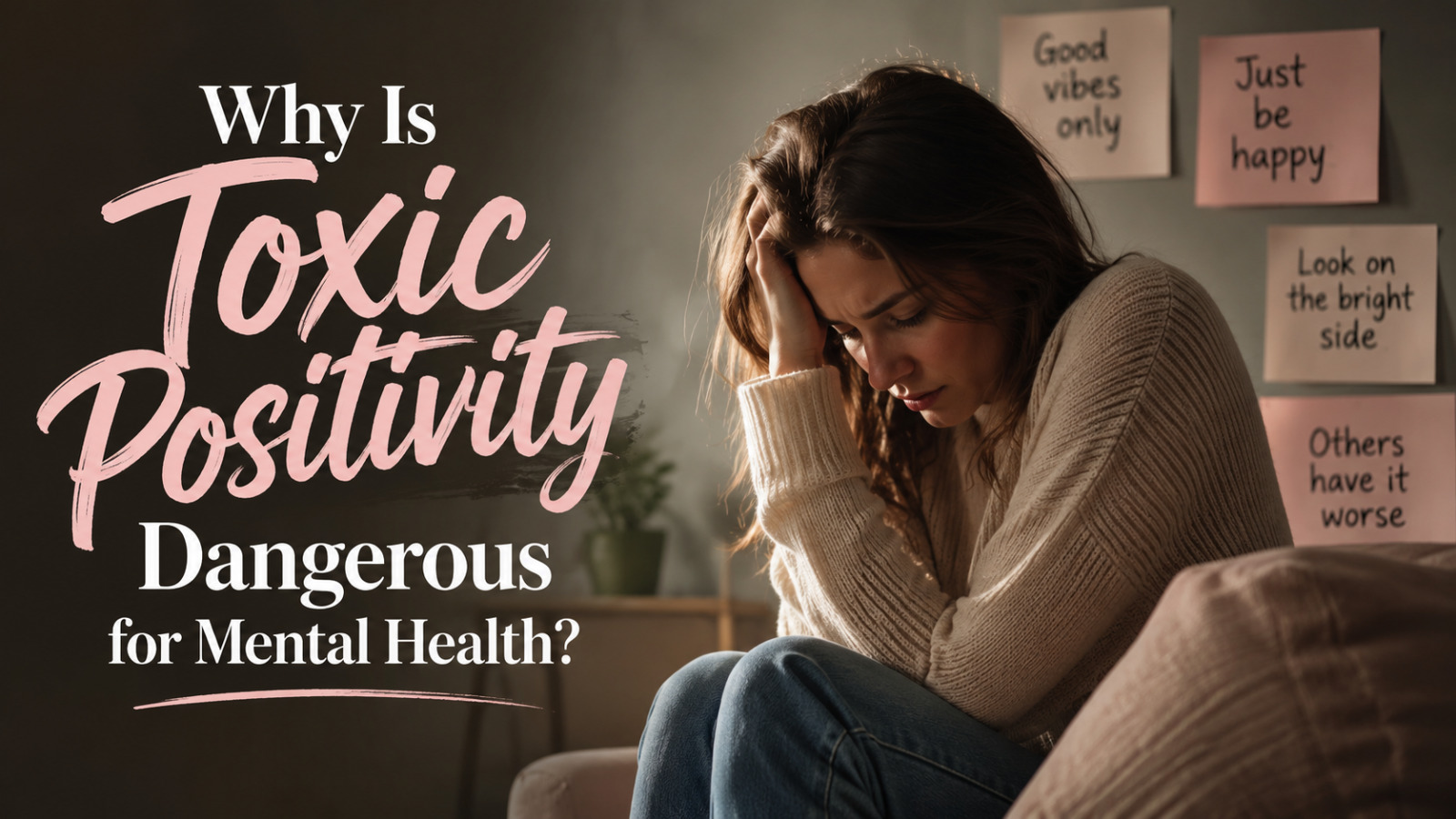
In today's fast-paced world, people are often encouraged to stay positive no matter what happens. While optimism can improve emotional well-being, forcing positive thinking at all times can become harmful. This unhealthy mindset is known as toxic positivity, and it can prevent people from processing difficult emotions in a healthy way. Understanding why toxic positivity is dangerous is essential for protecting mental health and building stronger emotional resilience.
WHAT IS TOXIC POSITIVITY?
Toxic positivity is the belief that people should maintain a positive attitude regardless of how painful or stressful a situation may be. It often includes phrases like "Just stay positive," "Everything happens for a reason," or "Good vibes only." While these statements may sound encouraging, they can unintentionally dismiss genuine emotional struggles.
Everyone experiences sadness, fear, anger, and disappointment. These emotions are a normal part of life and play an important role in emotional growth. Ignoring or suppressing them does not make them disappear. Instead, they may become stronger over time and negatively affect overall well-being.
HOW TOXIC POSITIVITY AFFECTS MENTAL HEALTH
One of the biggest dangers of toxic positivity is that it teaches people to hide their true feelings. When individuals believe negative emotions are unacceptable, they may feel guilty or ashamed for experiencing them. This emotional suppression increases stress and makes recovery more difficult.
Over time, avoiding difficult emotions can contribute to anxiety, depression, emotional exhaustion, and burnout. People may lose the ability to recognize and manage their feelings in healthy ways. Instead of healing emotionally, they become trapped behind a false appearance of happiness.
WHY VALIDATING EMOTIONS IS IMPORTANT
Every emotion has a purpose. Feelings such as sadness or frustration can help people recognize problems, seek support, and make positive changes. Emotional validation means accepting emotions without judging them as good or bad.
When emotions are acknowledged, individuals can process them more effectively and recover with greater resilience. Friends, family members, and mental health professionals can provide meaningful support by listening without minimizing someone's experience. Feeling understood often promotes healing more than hearing overly positive advice.
COMMON SIGNS OF TOXIC POSITIVITY
There are several warning signs that indicate toxic positivity is present. Constantly telling yourself or others to "look on the bright side" during serious situations is one example. Comparing someone's pain to another person's suffering is another common behavior.
Other signs include avoiding difficult conversations, pretending everything is fine, or feeling uncomfortable whenever negative emotions appear. These habits create emotional distance and reduce opportunities for honest communication. Healthy relationships grow stronger when people can openly express both positive and negative feelings.
HEALTHIER ALTERNATIVES TO TOXIC POSITIVITY
Instead of forcing positivity, practice healthy emotional acceptance. Allow yourself to experience emotions without immediately trying to eliminate them. Accepting difficult feelings does not mean giving up hope; it simply means recognizing reality before moving forward.
You can also support others by listening carefully, showing empathy, and saying things like, "I'm here for you," or "It's okay to feel this way." These responses encourage emotional safety and strengthen trust. Combining realistic optimism with compassion creates a healthier approach to life's challenges.
CONCLUSION
Toxic positivity may seem helpful at first, but constantly ignoring negative emotions can seriously damage mental health. True emotional well-being comes from accepting the full range of human emotions instead of pretending everything is always perfect. By validating feelings, practicing empathy, and seeking support when necessary, people can develop healthier coping strategies. Remember, real healing begins with honesty, not forced happiness.
About the Author
Gusti Ayu Tita P
Author — STEKOM University
An active author focused on academic issues, educational technology, and human resource development in the campus environment.















