Why Is Travel Planning Important During Homecoming Traffic?
Gusti Ayu Tita P
10 Agustus 2026
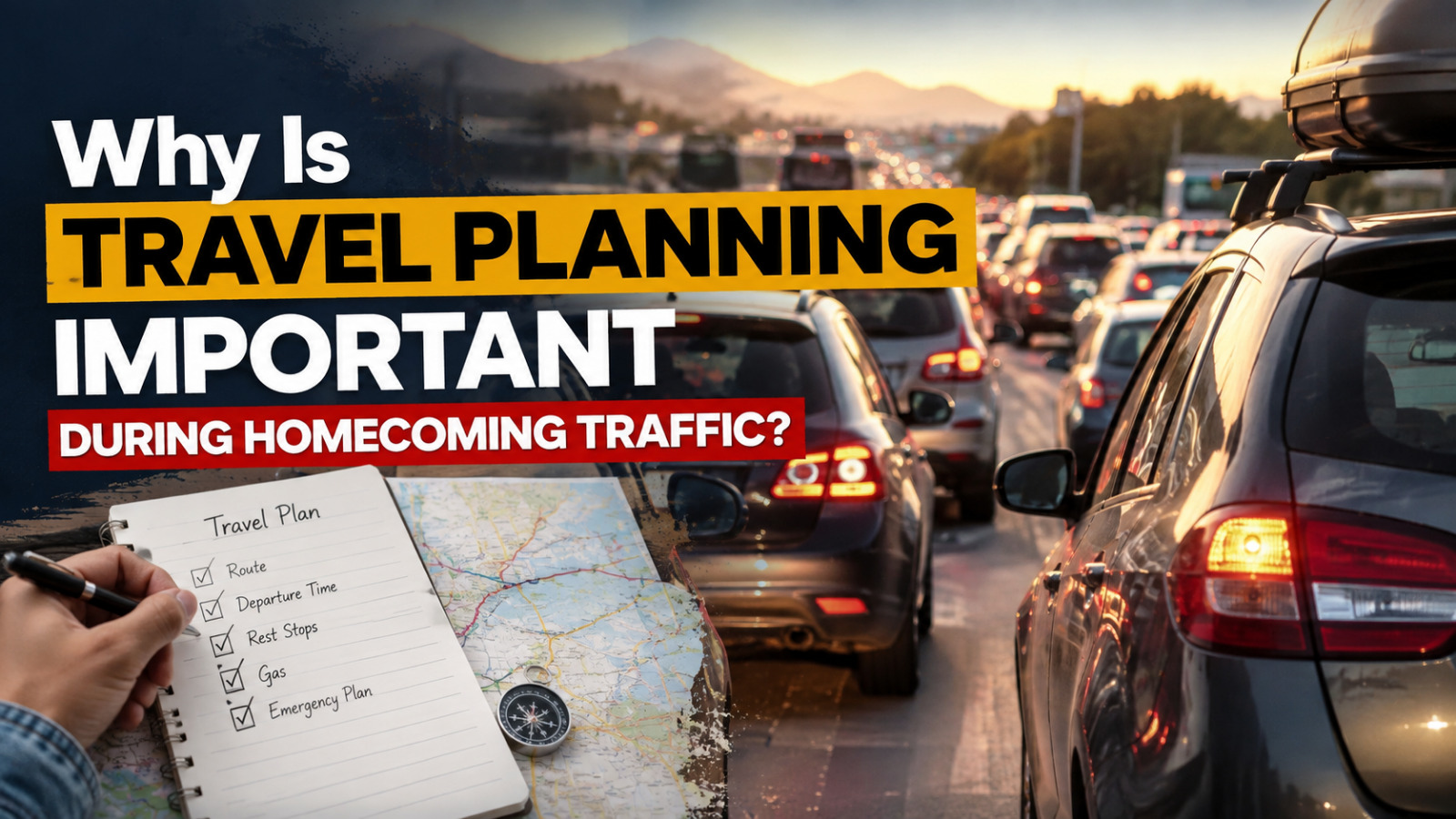
Travel Planning is an important part of preparing for a homecoming journey. During the homecoming season, millions of people may travel at similar times, creating heavy traffic on major roads and transportation routes. Without proper planning, travelers can face unexpected delays, crowded facilities, or difficulties finding essential services. A clear plan helps travelers understand what they need before starting the journey.
Planning does not mean predicting every situation perfectly. Instead, it helps travelers prepare for common challenges and make better decisions when conditions change. A good plan should consider the destination, travel route, departure time, vehicle condition, rest stops, budget, and emergency needs. This preparation can make the journey more organized and comfortable.
REDUCING THE IMPACT OF TRAFFIC CONGESTION
Homecoming Traffic can become extremely busy because many travelers use the same roads during a limited period. Congestion may occur around toll gates, intersections, city entrances, rest areas, and other busy locations. Travel planning allows people to identify possible congestion points before departure. This information can help them select more suitable routes or departure times.
Travelers should monitor current traffic conditions before leaving. They can use navigation applications and reliable transportation information to understand road conditions. However, they should remain flexible because traffic can change quickly. Proper planning can reduce unnecessary delays without encouraging unsafe driving.
CHOOSING THE RIGHT DEPARTURE TIME
Departure time can have a major influence on the overall journey. Leaving during a period of high traffic demand may increase travel time significantly. Travelers should consider expected traffic conditions, journey distance, weather, and the driver's physical condition when selecting a departure time.
The earliest possible departure is not always the safest choice. Drivers need enough rest before starting a long trip, especially when they will be driving for several hours. A realistic departure schedule should include time for breaks and unexpected delays. Traffic Safety should always be prioritized over arriving as quickly as possible.
PREPARING THE ROUTE
Route Preparation helps travelers understand the roads they may use during the journey. Before departure, travelers should identify the main route and consider practical alternatives. They can also check the locations of fuel stations, rest areas, restaurants, hospitals, and other important facilities.
Alternative routes should be evaluated carefully rather than selected simply because they appear shorter. Some roads may have difficult conditions or limited facilities. Travelers should follow official traffic instructions and road signs when temporary arrangements are introduced. Good route preparation provides options while keeping safety as the main priority.
CHECKING VEHICLE CONDITION
Travel planning should include proper Vehicle Preparation. A long journey can place additional demands on a vehicle, particularly when traffic is slow and travel time becomes longer. Important components such as tires, brakes, lights, battery, engine fluids, and other essential systems should be inspected before departure.
Drivers should not ignore unusual sounds, warning lights, or other signs of mechanical problems. Necessary maintenance should be completed before beginning the journey. Carrying basic emergency equipment can also be helpful. A reliable vehicle reduces the risk of unexpected breakdowns during heavy homecoming traffic.
PREPARING ESSENTIAL SUPPLIES
Long-distance travel requires more than fuel and transportation documents. Travelers may need drinking water, food, medicine when appropriate, hygiene supplies, phone chargers, spare clothing, and other personal necessities. Families traveling with children may need additional items based on their children's ages and needs.
Essential items should be organized so they can be accessed easily. Important documents and emergency contacts should also be kept in a safe but convenient location. Preparing supplies in advance reduces the need to search for stores during unexpected delays. Good Travel Preparation can make the journey more comfortable.
PLANNING REST STOPS
Rest stops are an important part of a safe long-distance journey. Drivers need opportunities to rest, stretch, eat, use the restroom, and recover from fatigue. Travelers should identify suitable stopping locations before starting the journey.
A flexible schedule is better than trying to follow an exact arrival time. If the driver becomes tired, the journey should be paused at a safe location regardless of the original schedule. Families with children may also require more frequent breaks. Regular rest supports both Travel Comfort and safety.
PREPARING FOR UNEXPECTED DELAYS
Even the best plan cannot prevent every possible delay. Accidents, vehicle problems, weather, road closures, and unexpected congestion can affect travel time. Travelers should therefore prepare for the possibility that the journey will take longer than expected.
Extra food, water, phone battery capacity, and other essential supplies can be useful during extended delays. Travelers should also maintain a calm attitude when plans change. Rushing because of a delay can lead to unsafe decisions. Flexibility is an important part of effective Travel Planning.
MANAGING THE TRAVEL BUDGET
Planning also helps travelers control their expenses. Transportation costs may include fuel, tolls, tickets, food, parking, accommodation, and emergency expenses. Without a budget, unexpected costs can create financial stress during the journey.
Travelers should estimate major expenses before departure and prepare an emergency fund when possible. Comparing transportation options can also help families choose a suitable travel method. A realistic budget should allow room for unexpected expenses. Financial preparation contributes to a more comfortable homecoming experience.
USING TECHNOLOGY WISELY
Modern technology can support almost every stage of Travel Planning. Navigation applications can provide route information, traffic updates, and estimated travel times. Digital ticketing systems can simplify bookings, while online platforms can provide information about transportation services and facilities.
However, travelers should not rely entirely on digital tools. Information can become outdated or inaccurate when conditions change rapidly. Drivers should also avoid operating mobile phones while driving. Technology should support good decisions without distracting travelers from road conditions and safety.
CONSIDERING WEATHER CONDITIONS
Weather can influence travel safety and road conditions. Heavy rain, flooding, strong winds, poor visibility, and slippery surfaces can increase travel risks. Checking weather information before departure can help travelers prepare for possible changes.
Drivers should adjust their speed and driving behavior according to actual conditions. If weather becomes dangerous, stopping at a safe location may be more appropriate than continuing the journey. Travelers should also consider alternative routes when official information indicates problems. Weather Awareness is an important part of responsible travel planning.
SUPPORTING FAMILY COMFORT
Families traveling together need to consider the different needs of each passenger. Children may require snacks, entertainment, rest breaks, and additional personal supplies. Older passengers may need more frequent breaks or easier access to facilities.
Planning these needs in advance can reduce stress during the journey. Travelers should also communicate the expected journey schedule with family members. When everyone understands the plan, it becomes easier to manage unexpected changes. Good preparation supports a safer and more enjoyable Family Journey.
CONCLUSION
Travel Planning is important during homecoming traffic because it helps travelers prepare for congestion, delays, changing road conditions, and unexpected situations. A good plan should include route selection, departure timing, vehicle inspection, essential supplies, rest stops, budgeting, and reliable traffic information.
Planning does not guarantee a completely smooth journey, but it can reduce avoidable problems. Travelers should remain flexible and prioritize Traffic Safety over speed. With careful Route Preparation, proper Travel Preparation, and responsible decision-making, homecoming journeys can become safer, more comfortable, and better organized.
About the Author
Gusti Ayu Tita P
Author — STEKOM University
An active author focused on academic issues, educational technology, and human resource development in the campus environment.