Why Is Understanding Social Media Trends Important For Job Seekers?
Gusti Ayu Tita P
18 September 2026
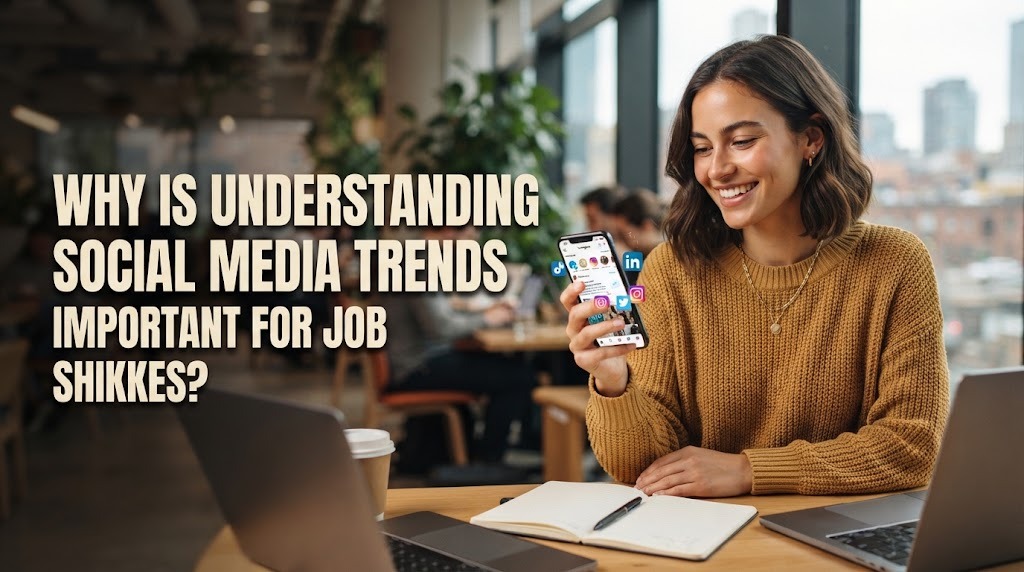
Social media has become an important part of modern professional communication. Job seekers can use platforms such as LinkedIn, Instagram, TikTok, and other digital channels to learn about industries, discover opportunities, and present their skills. Understanding social media trends can help job seekers communicate more effectively in an increasingly digital environment. However, trends should be used strategically and responsibly rather than followed without consideration.
SUPPORTING PROFESSIONAL DIGITAL PRESENCE
A professional digital presence can help job seekers show their skills and interests to a wider audience. Social media profiles may include information about education, projects, achievements, certifications, or creative work. Personal branding can make it easier for others to understand a person's professional interests. A well-organized profile can also complement a traditional resume.
Social media trends can provide ideas for presenting professional information in engaging formats. For example, a job seeker interested in graphic design can share design projects through visually appealing posts. Someone interested in writing can publish informative content related to their field. The important point is that the content should remain relevant to the person's career goals.
HELPING JOB SEEKERS UNDERSTAND INDUSTRY CHANGES
Social media can provide information about changes in different industries. Companies, professionals, organizations, and industry communities often share updates, discussions, and educational content online. Following relevant accounts can help job seekers understand current topics and workplace expectations. Industry awareness can be useful when preparing for applications and interviews.
Trends can also show which subjects are receiving attention within a particular professional community. However, popularity alone does not prove that information is accurate or important. Job seekers should verify important claims through reliable company websites, professional organizations, or other trusted sources. Critical thinking remains essential when using social media for career research.
DISCOVERING CAREER AND NETWORKING OPPORTUNITIES
Social media can help job seekers discover vacancies, internships, events, training programs, and professional communities. Some organizations use social platforms to announce opportunities and connect with potential applicants. Professional networking can also help people communicate with individuals who work in their areas of interest. These connections may provide useful information about industries and career paths.
Networking should be conducted respectfully and professionally. Job seekers can participate in relevant discussions, ask appropriate questions, and share useful content. They should avoid sending repetitive or inappropriate messages to recruiters and professionals. Building professional relationships generally requires consistent and meaningful interaction rather than simply collecting connections.
DEMONSTRATING SKILLS AND EXPERIENCE
Social media can function as an additional space for demonstrating practical abilities. Job seekers can publish projects, writing samples, presentations, designs, videos, or other work related to their skills. Digital portfolios can provide employers with examples of what an applicant can produce. This can be particularly useful for creative and digital careers.
The quality and accuracy of shared work are important. Job seekers should clearly explain their role in collaborative projects and avoid presenting other people's work as their own. Personal information belonging to clients, colleagues, or organizations should also be protected. A professional portfolio should demonstrate competence, originality, and responsibility.
DEVELOPING DIGITAL COMMUNICATION SKILLS
Understanding social media trends can help job seekers become more familiar with modern digital communication. They can learn how different audiences respond to visual content, short videos, professional posts, and other formats. Digital communication skills are increasingly useful in many workplaces, although the importance of specific skills varies by role and industry. Learning these skills can also improve the way candidates present themselves online.
Job seekers should still distinguish between professional and casual communication. A trend that works well for entertainment content may not be suitable for a formal professional setting. Users should consider their audience, language, privacy, and the purpose of each post. Professional judgment helps ensure that social media activity supports rather than distracts from career objectives.
CONCLUSION
Understanding social media trends can help job seekers develop a stronger digital presence, industry awareness, professional network, portfolio, and communication skills. Trends can provide useful ideas for presenting abilities and discovering information about career opportunities. However, job seekers should evaluate information carefully and maintain professional standards online. Combining trend awareness with relevant skills and responsible digital behavior can support a more effective career preparation process.
About the Author
Gusti Ayu Tita P
Author — STEKOM University
An active author focused on academic issues, educational technology, and human resource development in the campus environment.