Why Minimum Wages Matter For Contract And Permanent Employees?
Gusti Ayu Tita P
16 Juli 2026
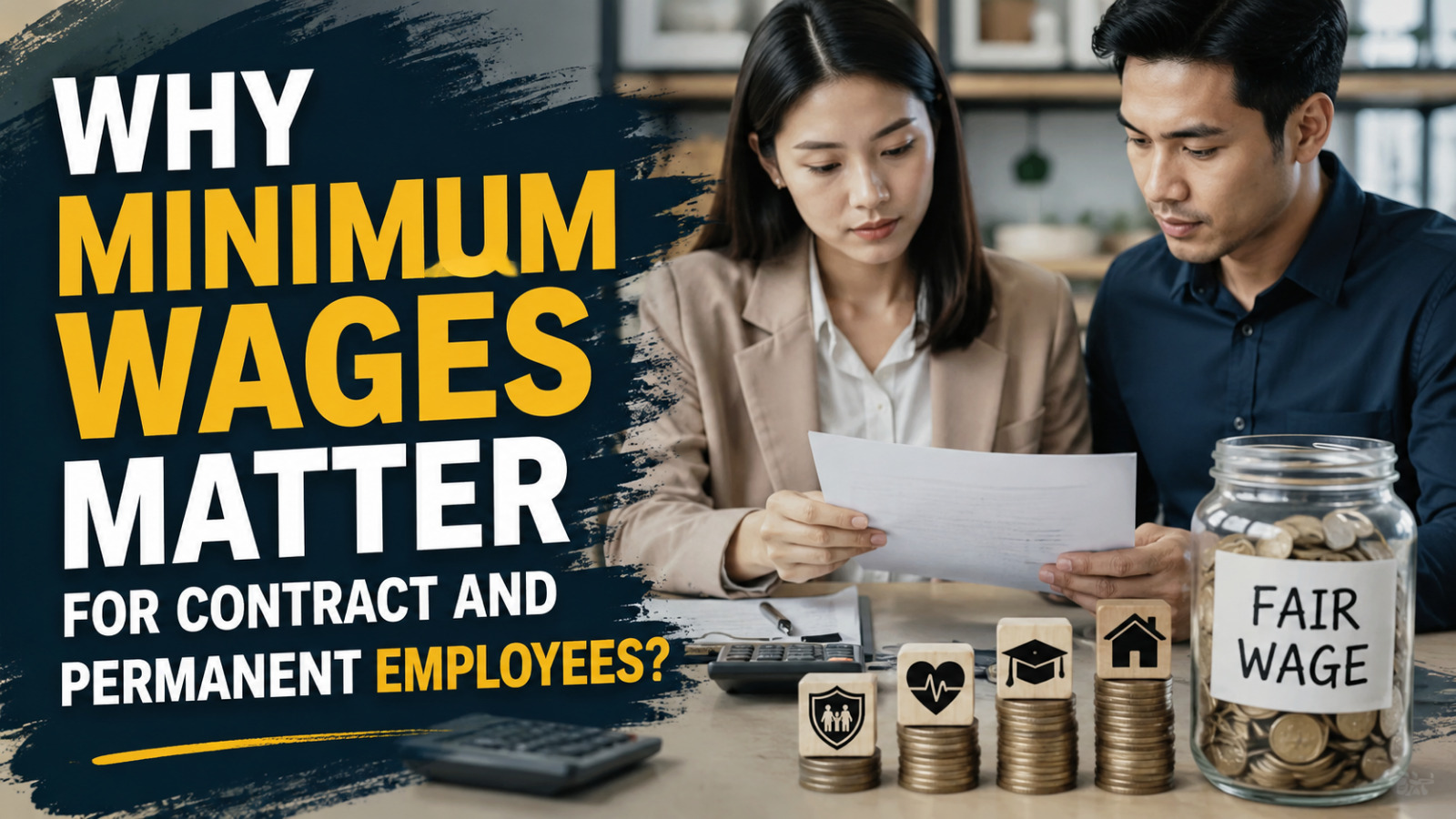
Minimum Wages play a vital role in creating a fair and balanced working environment for every employee. Whether someone works as Contract Employees or Permanent Employees, they deserve to receive wages that comply with applicable labor regulations. A fair salary not only helps workers meet their daily needs but also contributes to better productivity and stronger workplace relationships. Employers who respect Employee Rights and provide Fair Compensation are more likely to build a positive reputation and retain talented workers. Understanding why Minimum Wages matter helps both employers and employees create a professional, transparent, and sustainable workplace.
WHAT ARE MINIMUM WAGES?
Minimum Wages are the lowest amount of money that employers are legally allowed to pay their employees for their work. Governments establish these wage standards to ensure that workers receive income that can support their basic living expenses. The amount may differ depending on the region, industry, and local economic conditions. Factors such as inflation, living costs, labor productivity, and economic growth are often considered when determining the minimum wage.
For both Contract Employees and Permanent Employees, the minimum wage serves as the foundation of fair employment practices. Employers cannot legally pay workers below the established minimum wage unless specific legal exceptions apply. Following these regulations helps maintain fairness while protecting workers from unfair treatment. As a result, Minimum Wages contribute to greater financial security and stronger trust between employers and employees.
WHY MINIMUM WAGES ARE IMPORTANT?
One of the main reasons Minimum Wages are important is that they provide financial stability for workers and their families. Receiving a fair income allows employees to pay for housing, food, healthcare, education, and other essential needs. This financial security reduces stress and improves overall quality of life. Employees who feel financially supported are generally more motivated and committed to their work.
From the employer's perspective, providing Fair Compensation creates a healthier and more productive workplace. Employees who receive fair wages are often more loyal, engaged, and willing to contribute to company success. Businesses also benefit from lower employee turnover and better workplace morale. Respecting Minimum Wages demonstrates that a company values its workforce and follows responsible business practices.
DIFFERENCES BETWEEN CONTRACT AND PERMANENT EMPLOYEES
Contract Employees are hired for a specific period or project based on an employment agreement. Their employment usually ends when the contract expires unless it is renewed by the employer. Although their employment period is limited, they still have the legal right to receive wages that meet or exceed the applicable minimum wage. Employment status should never reduce their right to fair pay.
Meanwhile, Permanent Employees work without a predetermined end date and generally enjoy greater job stability. They often receive additional benefits such as paid leave, health insurance, retirement programs, and career development opportunities. Despite these differences, both employee categories are protected by Employee Rights related to minimum wage regulations. Every worker deserves equal protection regarding basic wage standards.
BENEFITS OF FAIR COMPENSATION FOR EMPLOYEES AND EMPLOYERS
Providing Fair Compensation benefits employees by improving motivation, job satisfaction, and financial confidence. Workers who receive appropriate wages are more likely to remain focused on their responsibilities and perform at a higher level. They also experience greater loyalty toward employers who value their contributions. Fair wages encourage a positive and respectful workplace culture.
Employers also gain significant advantages from complying with minimum wage regulations. Companies that provide competitive and fair salaries often attract skilled professionals and reduce recruitment costs caused by frequent employee turnover. A positive workplace environment increases teamwork, productivity, and customer satisfaction. Following wage regulations also helps businesses avoid legal disputes and financial penalties.
EMPLOYEE RIGHTS REGARDING MINIMUM WAGES
Every employee should understand their Employee Rights regarding salary and compensation. Workers have the right to know how their wages are calculated and whether their employer complies with labor regulations. Open communication between employers and employees helps prevent misunderstandings related to salary payments. Transparency also strengthens trust within the workplace.
If employees believe they are receiving wages below the legal minimum, they should first discuss the issue with their employer or human resources department. When the problem cannot be resolved internally, they may seek assistance from the appropriate labor authorities according to local laws. Understanding these rights helps workers protect themselves while encouraging employers to remain legally compliant. Knowledge of employment regulations benefits everyone involved.
HOW MINIMUM WAGES SUPPORT A BETTER WORKPLACE?
A workplace that respects Minimum Wages creates a more stable and professional working environment. Employees feel appreciated when they receive fair salaries that reflect legal standards. This appreciation encourages stronger teamwork, better communication, and higher productivity across the organization. A fair wage system also reduces workplace conflict related to compensation.
Organizations that consistently apply fair wage policies build stronger relationships with employees and improve their public reputation. Compliance with labor laws demonstrates integrity and social responsibility. In the long term, companies that prioritize Workplace Welfare are better positioned for sustainable growth and long-lasting business success. Fair compensation ultimately benefits both employers and employees alike.
CONCLUSION
Minimum Wages are essential because they protect workers, promote Fair Compensation, and support healthier employment relationships. Both Contract Employees and Permanent Employees have the fundamental right to receive wages that comply with applicable labor regulations. Employers who respect Employee Rights not only fulfill legal obligations but also improve employee satisfaction, productivity, and business performance. By maintaining fair wage practices and prioritizing Workplace Welfare, organizations create stronger, more ethical, and more sustainable workplaces for everyone.
About the Author
Gusti Ayu Tita P
Author — STEKOM University
An active author focused on academic issues, educational technology, and human resource development in the campus environment.