
Why National Songs Remain Relevant in Modern Society?
Gusti Ayu Tita P
6 Agustus 2026
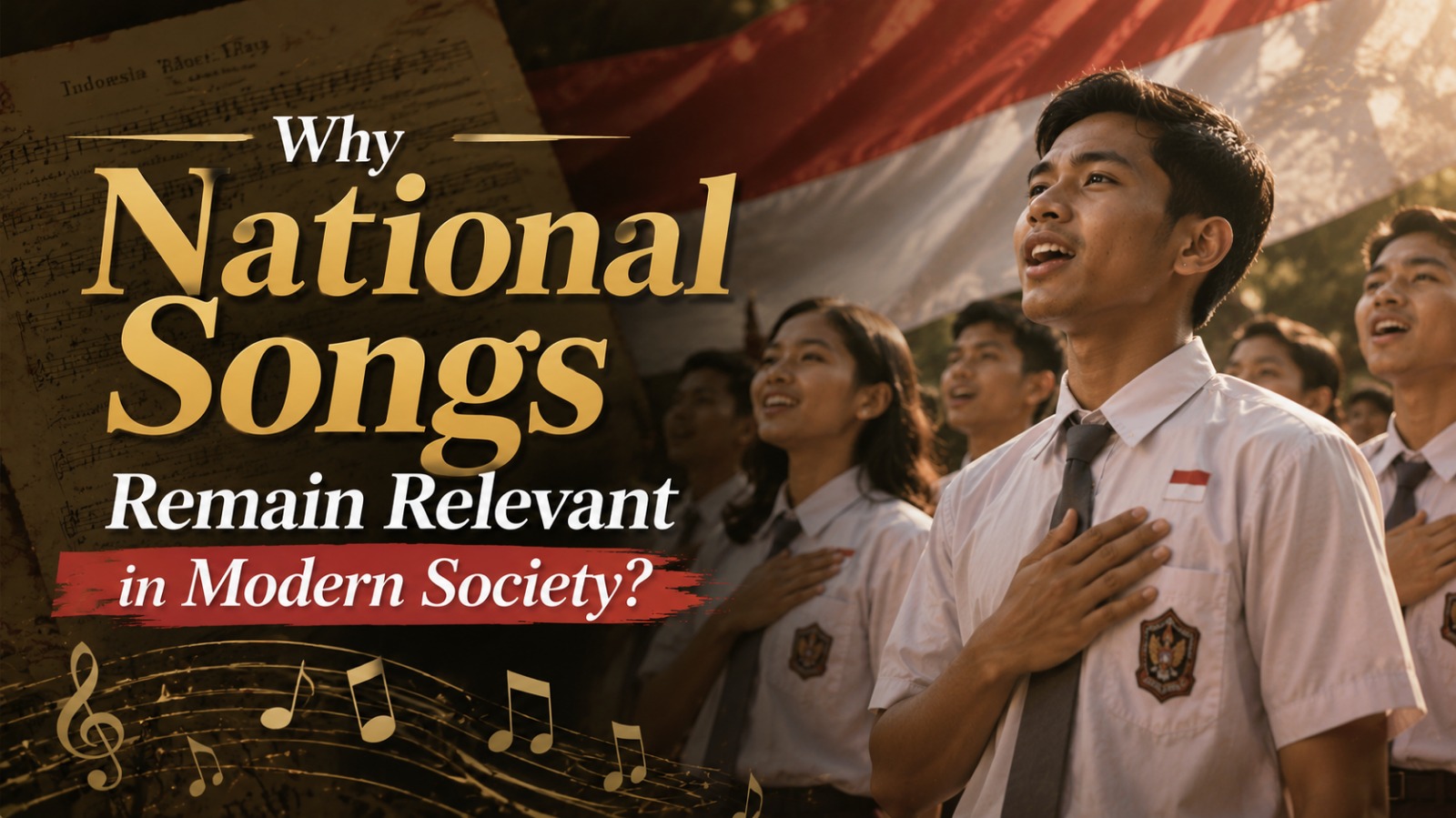
In today's fast-changing world, technology, globalization, and modern entertainment have transformed the way people communicate and express themselves. Despite these changes, national songs continue to hold a special place in society because they preserve national identity, cultural heritage, and patriotic values. Their meaningful lyrics and inspiring melodies remind people of their shared history, struggles, and aspirations for a better future.
National songs are more than ceremonial music. They serve as educational tools, cultural symbols, and sources of inspiration that connect generations. By understanding why these songs remain relevant, people can better appreciate their role in promoting unity, responsibility, and national pride in modern society.
THE HISTORICAL SIGNIFICANCE OF NATIONAL SONGS
National songs reflect important moments in a country's history. Many were composed during periods of national struggle, independence movements, or significant historical events. Their lyrics preserve stories that might otherwise fade over time, allowing future generations to understand the sacrifices made by their ancestors.
These songs also honor national heroes who dedicated their lives to achieving freedom and justice. By remembering these historical figures through music, citizens develop greater appreciation for the nation's achievements. History becomes more engaging because it is expressed through memorable melodies and meaningful words.
Learning national songs encourages people to preserve historical knowledge while strengthening their connection to their country's past. This historical awareness remains valuable regardless of technological progress.
STRENGTHENING NATIONAL IDENTITY
One of the most important reasons national songs remain relevant is their ability to strengthen national identity. They remind citizens that they belong to a nation with shared values, traditions, and aspirations despite differences in culture, ethnicity, or religion. This sense of belonging encourages unity and mutual respect.
National songs create emotional experiences during ceremonies, celebrations, and educational activities. Singing together helps individuals feel connected to one another and reinforces the importance of national solidarity. These shared moments build stronger social bonds within diverse communities.
In an increasingly globalized world, maintaining a clear national identity helps preserve cultural uniqueness. National songs continue serving as powerful symbols of that identity.
PROMOTING PATRIOTISM AND RESPONSIBILITY
The lyrics of national songs contain valuable patriotic values such as courage, loyalty, responsibility, and love for the homeland. These messages inspire citizens to contribute positively to their country through responsible actions rather than words alone. Patriotism becomes part of everyday life.
National songs encourage individuals to respect public institutions, obey laws, protect the environment, and participate in community development. These practical expressions of patriotism strengthen society while supporting national progress. Music transforms important values into lasting habits.
By understanding the deeper meaning behind these songs, people become more aware of their responsibilities as citizens. This awareness supports stronger civic engagement and social responsibility.
SUPPORTING CHARACTER EDUCATION
National songs remain valuable because they contribute significantly to character education. Schools often use these songs to teach discipline, honesty, cooperation, perseverance, and respect. Music allows students to experience these values emotionally, making lessons easier to understand and remember.
Learning the historical background of national songs also increases students' appreciation for national achievements. They begin to understand that freedom, peace, and development require sacrifice and responsibility. These lessons shape stronger moral character.
Character education through music is both enjoyable and meaningful. It combines history, culture, and ethics into one engaging learning experience that benefits learners of all ages.
PRESERVING CULTURAL HERITAGE
Every national song is an important part of a country's cultural heritage. These musical works preserve language, traditions, historical memories, and artistic achievements that define national identity. Protecting them ensures that future generations continue appreciating their cultural roots.
Modern technology has made preserving national songs easier through digital archives, online performances, and educational platforms. These innovations allow traditional music to remain accessible while reaching wider audiences. Technology supports preservation without replacing cultural values.
Communities, educational institutions, and governments all play important roles in protecting national songs. Their cooperation ensures that these cultural treasures remain relevant for years to come.
THE ROLE OF NATIONAL SONGS IN A GLOBALIZED WORLD
Globalization has increased cultural exchange across countries, bringing both opportunities and challenges. While people enjoy international music and entertainment, national songs continue reminding them of their unique cultural identity. They provide balance between embracing global influences and preserving local traditions.
National songs also encourage respect for diversity while promoting unity within the nation. Citizens learn that cultural differences should become strengths rather than sources of conflict. This message is especially valuable in multicultural societies.
By maintaining strong national traditions, societies become more confident in participating within the global community. National songs help preserve cultural uniqueness while encouraging openness toward other cultures.
KEEPING NATIONAL SONGS RELEVANT FOR FUTURE GENERATIONS
To ensure the continued relevance of national songs, education and innovation must work together. Schools should explain not only the lyrics but also the historical stories and moral values behind each composition. This deeper understanding increases appreciation among younger generations.
Digital platforms, documentaries, educational videos, and creative performances also help introduce national songs to modern audiences. Interactive learning experiences make these songs more appealing without changing their original meaning. Technology becomes an effective tool for cultural preservation.
Families and communities also contribute by encouraging children to learn and perform national songs during cultural events. Their active participation ensures that patriotic traditions continue across generations.
CONCLUSION
National songs remain relevant in modern society because they preserve history, strengthen national identity, promote patriotism, support character education, and protect cultural heritage. Their timeless messages continue inspiring citizens to value unity, responsibility, and love for their country.
As technology and society continue evolving, national songs will remain meaningful symbols of national pride and shared identity. By preserving and appreciating these musical treasures, future generations can continue building stronger communities while honoring their nation's history and values.
About the Author
Gusti Ayu Tita P
Author — STEKOM University
An active author focused on academic issues, educational technology, and human resource development in the campus environment.















