Why Nonviolent Demonstrations Create Lasting Change?
Gusti Ayu Tita P
28 Juli 2026
THE STRENGTH OF PEACEFUL ACTION
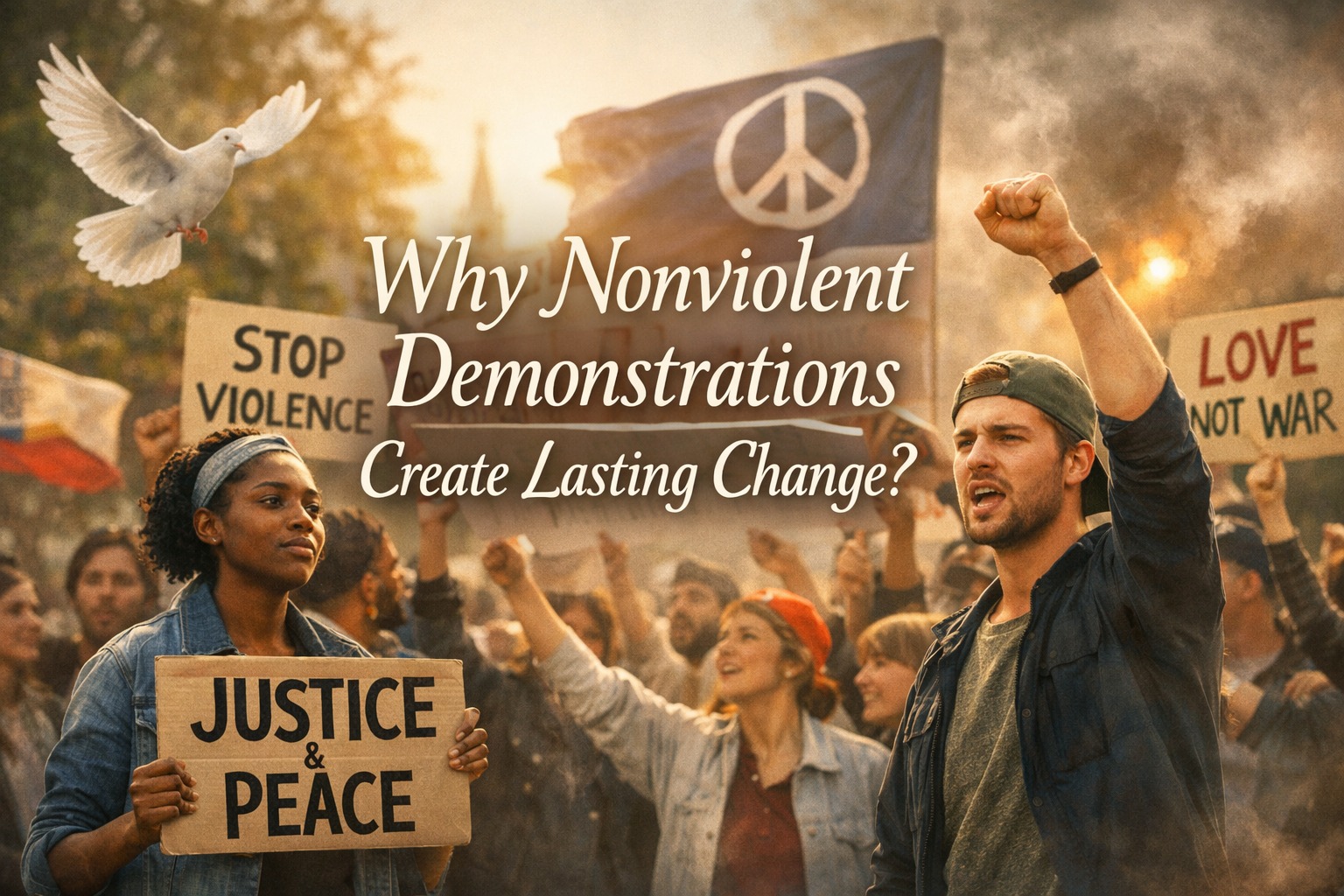
Peaceful demonstrations have long been a powerful catalyst for social transformation. Unlike violent revolts, nonviolent movements emphasize unity, empathy, and moral strength, drawing support from diverse communities. When people gather calmly to express their beliefs, they create an atmosphere of trust and respect, which encourages dialogue instead of division. This approach helps societies progress through understanding rather than destruction.
Furthermore, nonviolent actions often lead to policy reforms and public awareness that endure over time. They show that courage without aggression can move nations toward justice. The emotional resonance of peaceful protest lies in its ability to inspire compassion and collective responsibility, making change sustainable and deeply rooted.
HISTORICAL EXAMPLES OF NONVIOLENT SUCCESS
Throughout history, figures like Mahatma Gandhi and Martin Luther King Jr. have proven that nonviolence can dismantle oppression. Gandhi’s movement for India’s independence and King’s Civil Rights campaign in the United States both relied on discipline and moral conviction rather than force. These leaders demonstrated that peaceful persistence could achieve what violence never could — genuine equality and freedom.
Their legacies continue to inspire modern activists worldwide. Nonviolent demonstrations leave behind positive social footprints, encouraging future generations to pursue justice through compassion. The ripple effect of these movements reminds us that lasting change is born from patience, not power.
WHY NONVIOLENCE BUILDS ENDURING CHANGE
Violent acts may capture attention quickly, but they rarely build trust or stability. Nonviolent demonstrations, however, nurture community engagement and long-term commitment to reform. They transform frustration into purpose, allowing movements to grow inclusively and peacefully. This inclusivity ensures that progress is shared and sustained across generations.
Moreover, peaceful protests often gain global recognition and media coverage that amplify their message. When the world witnesses people standing firm without aggression, it strengthens the moral argument for justice. Nonviolence thus becomes both a strategic and ethical choice, ensuring that progress remains meaningful and permanent.
About the Author
Gusti Ayu Tita P
Author — STEKOM University
An active author focused on academic issues, educational technology, and human resource development in the campus environment.