
Why Reliable Public Transit Matters for Daily Life?
Gusti Ayu Tita P
11 Agustus 2026
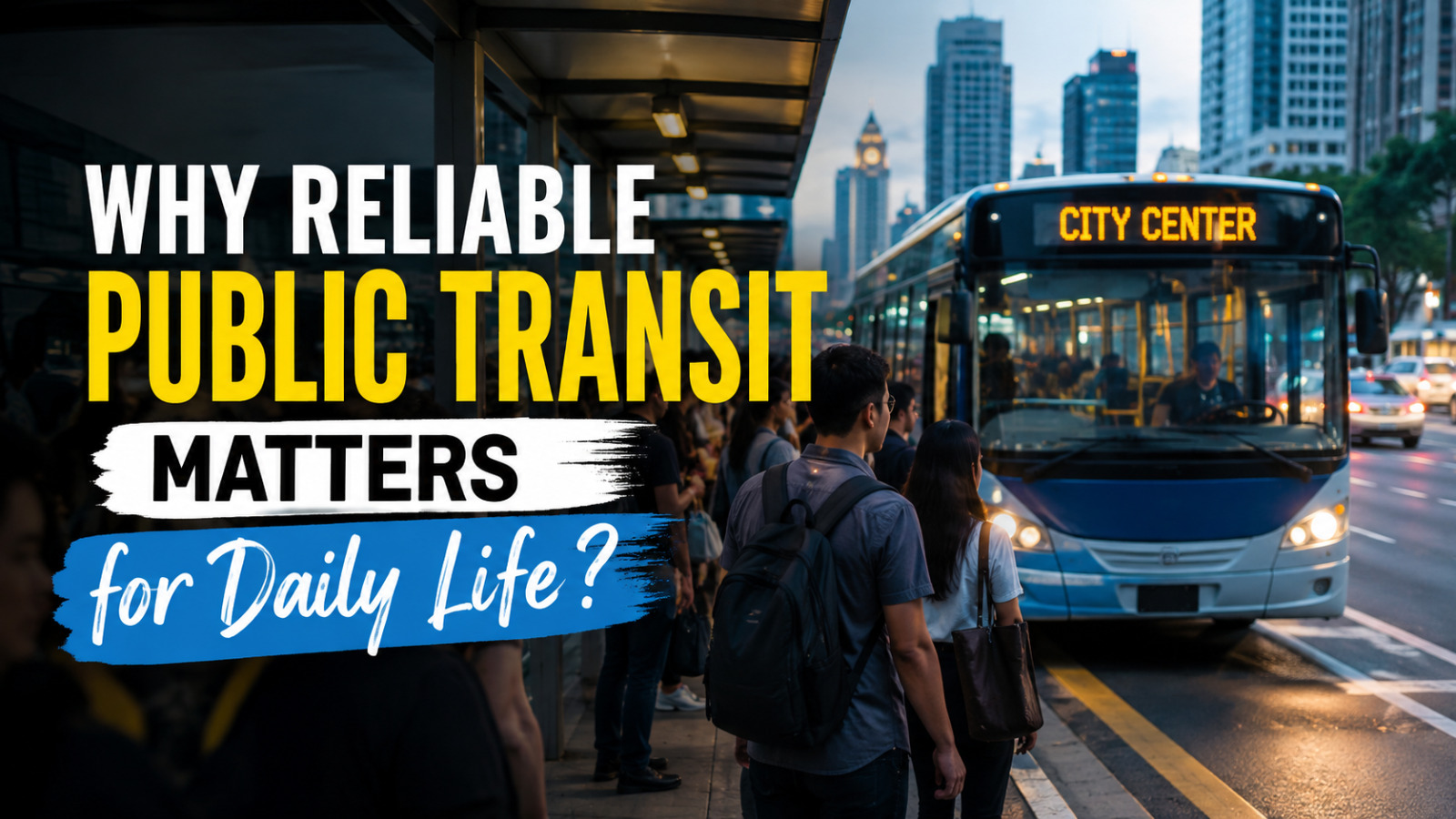
Reliable public transit plays an important role in helping people move efficiently, safely, and affordably. In growing cities, buses, trains, and other public transportation services connect people with workplaces, schools, healthcare facilities, shopping areas, and community spaces. When public transit operates consistently, residents can plan their daily activities with greater confidence. Reliability is not only about arriving on time but also about safety, accessibility, affordability, and service consistency. For many people, dependable transportation is an essential part of maintaining a productive and comfortable daily routine.
THE IMPORTANCE OF RELIABLE PUBLIC TRANSIT
Reliable public transit helps people reach their destinations according to a predictable schedule. Consistent departure and arrival times make it easier for passengers to organize work, education, appointments, and personal activities. When services are frequently delayed or canceled, passengers may experience stress, lose valuable time, or arrive late at important destinations. A dependable transportation system can reduce these problems by providing clear schedules and stable services.
Public transit also provides an important alternative to private vehicles. People who do not own cars, cannot drive, or prefer not to drive can depend on buses, trains, and other shared transportation options. Reliable service creates greater mobility for different groups of society, including students, workers, older adults, and people with limited transportation options. This makes public transit an important part of an inclusive urban transportation system.
SUPPORTING WORK AND EDUCATION
Reliable transportation has a direct connection with employment and education. Workers need dependable services to arrive at their workplaces on time, while students rely on transportation to attend schools, colleges, and other educational institutions. Frequent delays can affect attendance, productivity, and daily performance. A reliable public transit network gives passengers more confidence when planning their schedules.
Public transportation can also expand access to job opportunities. When transit routes connect residential areas with business districts, industrial zones, and commercial centers, people can consider employment opportunities that may otherwise be difficult to reach. This is particularly important for people who do not own private vehicles. Better connectivity can help create more equal access to economic opportunities.
MAKING DAILY TRAVEL MORE AFFORDABLE
Transportation costs can represent a significant part of a household budget, especially for people who travel every day. Public transit generally offers a more affordable option than owning and operating a private vehicle, particularly when fuel, parking, maintenance, insurance, and other expenses are considered. Affordable fares can help households manage their daily expenses more effectively. Reliable services make this benefit even more valuable because passengers can depend on public transportation for regular trips.
An affordable and dependable transit system can also reduce transportation inequality. People with lower incomes may have fewer choices when transportation becomes expensive. Accessible public transit gives them a practical way to travel to work, school, healthcare services, and essential facilities. Keeping public transportation affordable can therefore support broader social and economic inclusion.
IMPROVING ACCESS TO ESSENTIAL SERVICES
Public transit is important because not every essential service is located within walking distance of residential communities. People may need transportation to reach hospitals, government offices, markets, schools, universities, and other important facilities. A well-connected transit network can make these destinations easier to access. Reliable routes and appropriate service frequencies help people reach essential services without depending entirely on private vehicles.
Accessibility is especially important for people who have limited transportation choices. Older adults, students, people with disabilities, and residents in areas with fewer private transportation options may depend heavily on public transit. Transit systems should therefore consider accessible vehicles, suitable stations, clear information, and convenient routes. These improvements can make daily travel more comfortable and inclusive.
REDUCING STRESS AND IMPROVING TRAVEL EXPERIENCE
Unpredictable transportation can create significant stress in everyday life. Passengers may worry about missing appointments, arriving late for work, or being unable to find another way home. Reliable public transit reduces uncertainty by giving passengers greater confidence in their travel plans. Real-time information about arrivals, delays, and service changes can further improve the passenger experience.
Comfort and safety also influence how people perceive public transportation. Clean vehicles, well-maintained stations, adequate lighting, and clear passenger information can make journeys more pleasant. Transit operators can improve the experience by responding quickly to service problems and passenger concerns. A dependable and comfortable system encourages people to use public transit more frequently.
SUPPORTING A MORE SUSTAINABLE CITY
Public transportation can contribute to more sustainable urban mobility when it is well planned and widely used. A bus or train can transport many passengers in a single journey, potentially reducing the number of individual vehicle trips on busy roads. This can help cities manage traffic and reduce some transportation-related emissions. Encouraging public transit use can therefore support broader environmental goals.
However, sustainability depends on how the system is designed and operated. Cities can improve environmental performance through efficient vehicles, cleaner energy sources, better route planning, and infrastructure that encourages walking and cycling to transit stations. Public transit works best as part of an integrated transportation network rather than as a separate service. Combining different sustainable travel options can create a more efficient urban mobility system.
USING TECHNOLOGY TO IMPROVE RELIABILITY
Digital technology has become an important tool for improving public transit services. Real-time tracking systems can provide passengers with updated information about vehicle locations and expected arrival times. Mobile applications can also help users plan routes, check schedules, purchase tickets, and receive service notifications. Accurate digital information helps passengers make better travel decisions.
Technology can also support transit operators behind the scenes. Data collected from vehicles, stations, and passenger activity can help operators identify delays, understand demand patterns, and improve scheduling. Predictive maintenance systems may help detect vehicle problems before they cause major service disruptions. Using data effectively can improve operational efficiency and make public transit more dependable.
CONCLUSION
Reliable public transit is essential for making daily urban life more convenient, accessible, and efficient. It supports work, education, essential services, affordable travel, and social inclusion while providing an important alternative to private vehicles. A successful transit system needs more than frequent vehicles because passengers also need safety, accessibility, clear information, reasonable fares, and consistent service.
As cities continue to grow, investing in dependable public transportation will become increasingly important. Better infrastructure, skilled management, modern technology, and passenger-focused planning can strengthen transit services over time. Reliable public transit benefits both individuals and communities by creating better opportunities for people to move and participate in city life.
About the Author
Gusti Ayu Tita P
Author — STEKOM University
An active author focused on academic issues, educational technology, and human resource development in the campus environment.















