
Why Should a Mother’s and Baby’s Blood Types Be Considered?
Gusti Ayu Tita P
14 September 2026
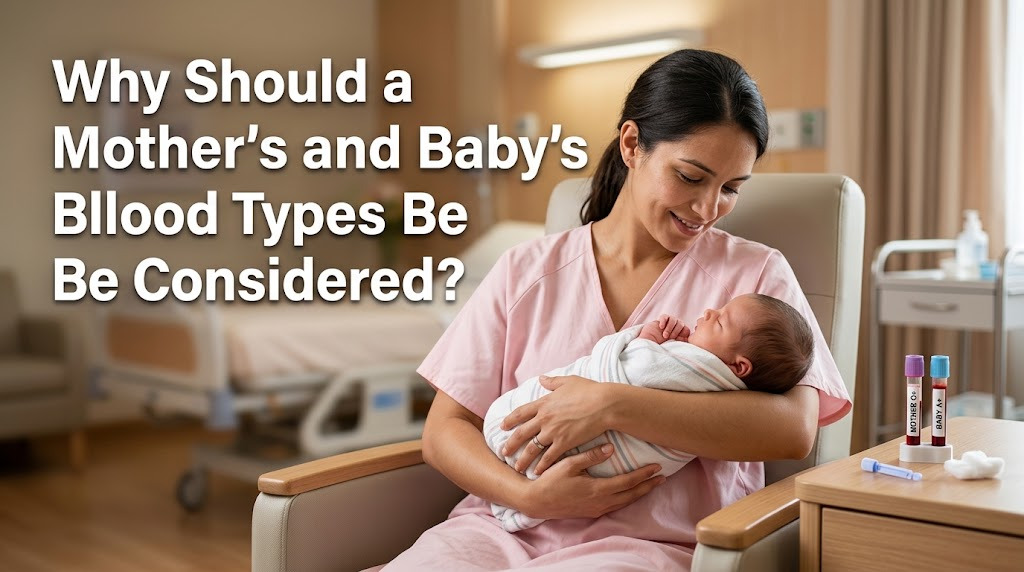
A mother's and baby's blood types are considered during pregnancy because differences between them can sometimes cause problems. The most important concern is often the Rh factor, especially when the mother is Rh-negative and the baby is Rh-positive. In some situations, the mother's immune system can become sensitized to the baby's red blood cell antigens. Prenatal blood testing helps doctors identify these differences and manage them safely.
The ABO blood group can also differ between a mother and her baby, but ABO incompatibility is generally less serious than Rh incompatibility. Most blood type differences do not cause health problems during pregnancy. Healthcare professionals pay particular attention to blood type and antibody results to identify situations that may require monitoring or treatment. This makes blood group testing an important part of prenatal care.
HOW ARE A MOTHER'S AND BABY'S BLOOD TYPES RELATED?
A baby's blood type is inherited from both parents, so it may be the same as or different from the mother's blood type. The baby receives genetic information that determines the ABO group and Rh status. For example, an Rh-negative mother may have an Rh-positive baby if the father contributes genetic information associated with the RhD antigen. These differences are natural and do not automatically mean that there is a medical problem.
The concern begins when the baby's red blood cells carry an antigen that the mother's immune system does not have. If fetal red blood cells enter the mother's bloodstream, her immune system may recognize those cells as foreign. This can sometimes lead to the development of red blood cell antibodies. Prenatal testing helps determine whether such antibodies are present.
WHY IS RH INCOMPATIBILITY IMPORTANT?
Rh incompatibility can occur when an Rh-negative mother carries an Rh-positive fetus. During pregnancy, delivery, or certain pregnancy-related events, fetal blood cells can sometimes enter the mother's circulation. If the mother becomes exposed to the RhD antigen, her immune system may produce anti-D antibodies. This process is known as Rh sensitization.
Rh sensitization may not cause a serious problem in the first affected pregnancy, but the antibodies can remain in the mother's body. In a later pregnancy with an Rh-positive fetus, these antibodies may cross the placenta and attack fetal red blood cells. This can result in hemolytic disease of the fetus and newborn. Early screening helps healthcare professionals identify mothers who need additional care.
WHAT IS ABO INCOMPATIBILITY BETWEEN MOTHER AND BABY?
ABO incompatibility occurs when the mother and baby have different ABO blood groups. One example is when a mother has type O blood and the baby has type A or B blood. The mother's naturally occurring anti-A or anti-B antibodies can sometimes react with the baby's red blood cells. However, this condition is usually less severe than Rh-related disease.
If ABO-related problems occur, the baby may develop jaundice or anemia after birth. Many cases are mild and can be managed with observation or treatment when needed. Healthcare professionals may check the newborn's bilirubin level and other signs of red blood cell breakdown. Most mother-baby ABO differences do not cause serious complications.
HOW DO DOCTORS CHECK FOR BLOOD TYPE DIFFERENCES?
During prenatal care, healthcare professionals usually determine the mother's ABO blood type and Rh status through a blood test. An antibody screen is also performed to look for antibodies that could react with fetal or donor red blood cell antigens. These tests help identify whether the mother has already become sensitized. Additional monitoring may be recommended when clinically significant antibodies are detected.
If a mother is Rh-negative and not already sensitized, doctors may recommend Rh immune globulin according to current medical guidelines and the specific circumstances. This medication helps prevent the mother's immune system from producing anti-D antibodies after exposure to RhD-positive fetal blood. The pregnancy may also be monitored more closely if clinically significant antibodies are present. These measures can greatly reduce the risk of serious complications.
WHAT CAN HAPPEN IF THE BABY'S RED BLOOD CELLS ARE AFFECTED?
If maternal antibodies attack the baby's red blood cells, the baby can develop anemia, meaning there are not enough healthy red blood cells to carry oxygen. The baby may also develop jaundice because the breakdown of red blood cells produces bilirubin. In more serious cases, severe anemia can affect the baby's health before or shortly after birth. The severity depends on the specific antibody and the extent of the immune reaction.
Modern prenatal care allows doctors to monitor pregnancies where there is a significant blood group antibody. Depending on the situation, healthcare teams may use ultrasound monitoring and other tests to assess the baby's condition. After birth, the newborn may be checked for anemia, jaundice, and evidence of antibody-related red blood cell destruction. Early recognition allows treatment to begin when necessary.
CAN THESE BLOOD TYPE PROBLEMS BE PREVENTED?
Many serious Rh-related complications can be prevented through appropriate prenatal screening and the use of Rh immune globulin for eligible Rh-negative mothers. The preventive treatment is designed to stop the mother's immune system from becoming sensitized to RhD-positive blood cells. Medical professionals determine when it should be given based on pregnancy history and clinical circumstances. This prevention has significantly reduced severe Rh disease.
ABO incompatibility usually cannot be prevented in the same way because naturally occurring ABO antibodies are part of normal biology. However, doctors can monitor newborns for jaundice and anemia and provide treatment if needed. The important step is identifying potential risks through routine pregnancy and newborn care. Most mother-baby blood type differences can therefore be managed successfully.
WHY IS BLOOD TYPE TESTING IMPORTANT DURING PREGNANCY?
Blood type testing during pregnancy provides important information before potential complications occur. Knowing the mother's ABO and Rh status allows healthcare professionals to determine whether further antibody screening or preventive treatment is needed. It also gives doctors useful information if a blood transfusion becomes necessary during pregnancy or delivery. This makes blood group information relevant to both pregnancy care and emergency planning.
A mother should not assume that a difference between her blood type and her baby's blood type is automatically dangerous. Most differences are harmless, and medical professionals evaluate the actual antibody results and clinical situation. Regular prenatal care is the best way to identify and manage blood group-related risks. Proper screening provides reassurance as well as early protection when treatment is needed.
CONCLUSION
A mother's and baby's blood types are considered during pregnancy mainly because certain blood group differences can lead to maternal antibodies attacking fetal red blood cells. Rh incompatibility is particularly important when an Rh-negative mother carries an Rh-positive baby, while ABO incompatibility can also occur but is generally less severe. Routine blood typing and antibody screening help doctors identify these situations.
With appropriate prenatal screening and preventive care, many serious blood group complications can be prevented or managed effectively. Rh immune globulin can help eligible Rh-negative mothers avoid developing anti-D antibodies, while newborns can be monitored for jaundice or anemia when ABO incompatibility is suspected. Understanding blood types therefore plays an important role in safe pregnancy and newborn care.
About the Author
Gusti Ayu Tita P
Author — STEKOM University
An active author focused on academic issues, educational technology, and human resource development in the campus environment.















