Why Should Internet Users Understand the Dangers of Oversharing?
Gusti Ayu Tita P
18 September 2026
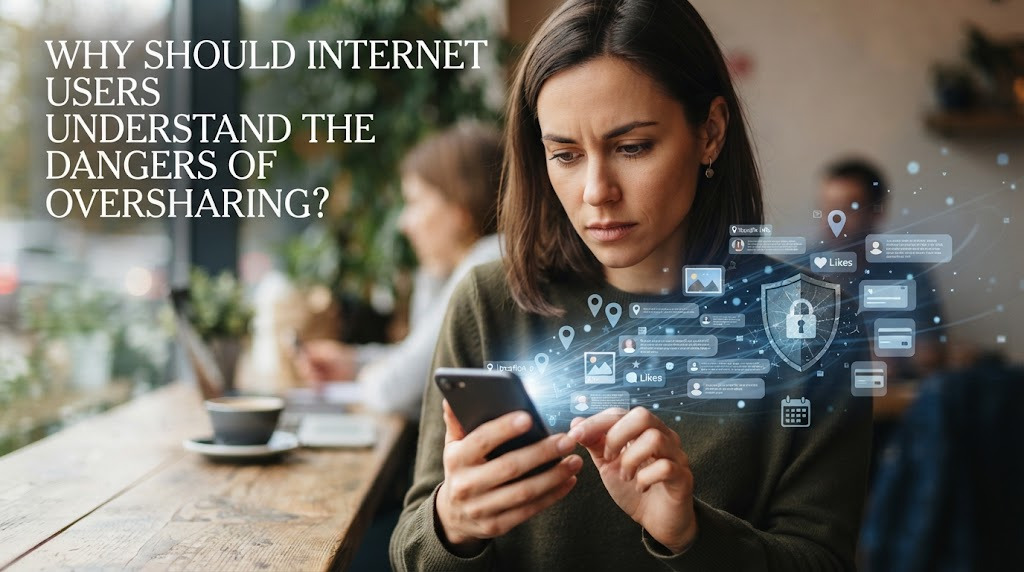
The internet makes it easy for people to share personal information, opinions, photos, and daily activities. However, sharing too much information can create privacy and security risks that users may not immediately notice. Oversharing can expose details that strangers, scammers, or unwanted audiences could potentially misuse. Understanding these dangers helps internet users make more careful decisions about what they share online.
WHAT IS OVERSHARING ON THE INTERNET?
Oversharing means providing more personal or sensitive information online than is necessary or appropriate for the situation. It can include sharing a full address, phone number, location, family details, private conversations, financial information, or detailed daily routines. Oversharing can happen through social media posts, comments, public profiles, forums, and messaging platforms. Even information that seems harmless can become more sensitive when combined with other details.
People may overshare because they want to connect with others, receive attention, express emotions, or document their daily lives. Sometimes users do not realize how much information their posts reveal. A photo, for example, may unintentionally show a school name, house number, workplace, or location in the background. Recognizing oversharing is an important part of online privacy awareness.
HOW CAN OVERSHARING CREATE PRIVACY RISKS?
Oversharing can reduce a person's control over their personal information. Once information is posted online, other people may save, copy, screenshot, or redistribute it without the original poster's knowledge. This can make it difficult to completely remove information from the internet. Public posts can also reach people outside the audience the user originally intended.
Privacy risks can increase when users share information about themselves or others without considering the audience. Personal stories, family details, photographs, and location information may reveal more than expected. Users should therefore think about whether the information is necessary and who may be able to access it. Careful sharing can help maintain stronger control over personal privacy.
CAN OVERSHARING INCREASE ONLINE SECURITY RISKS?
Yes, oversharing can provide information that may be useful for scammers and cybercriminals. Details about a person's workplace, school, interests, relatives, or activities can sometimes be used to create convincing phishing or social engineering attempts. Small pieces of information may appear harmless individually but become more useful when combined. This is one reason users should avoid publishing sensitive details unnecessarily.
Oversharing can also expose clues related to account security. For example, publicly discussing a pet's name, favorite team, birthday, or other personal details may reveal information that could be used in targeted attacks. Strong passwords and multi-factor authentication remain important, but limiting public information adds another layer of protection. Digital security depends partly on what information users choose to reveal.
WHY CAN LOCATION AND DAILY ROUTINES BE DANGEROUS?
Sharing precise locations and regular routines can reveal where a person studies, works, lives, or spends time. Real-time posts may show that someone is currently at a particular place or away from home. Although location sharing does not automatically create danger, unnecessary details can provide useful information to unknown people. Location privacy is therefore an important consideration when using social media.
Users can reduce exposure by avoiding exact addresses and unnecessary real-time location updates. They can also consider posting travel photos or activity updates after leaving a location rather than while they are still there. Reviewing location permissions in apps can provide additional control over location information. These simple habits can reduce unnecessary exposure without preventing people from enjoying online communication.
HOW CAN OVERSHARING AFFECT YOUR ONLINE REPUTATION?
Oversharing can influence how other people perceive someone based on the content visible on their profile. Posts about personal conflicts, private relationships, emotional reactions, or inappropriate situations may create misunderstandings. Friends, classmates, teachers, coworkers, or professional contacts may see information outside its original context. Your online image can be influenced by what remains publicly visible.
Users should remember that social media content can remain accessible for a long time. Deleting a post does not necessarily mean that nobody has saved or copied it. Before publishing personal content, consider whether you would still be comfortable with it being seen in the future. Responsible social media habits can help protect both privacy and online reputation.
HOW CAN INTERNET USERS AVOID OVERSHARING?
The first step is to pause before sharing personal information. Ask whether the information is necessary, who will see it, and what could happen if it were copied or shared more widely. Users should avoid posting passwords, verification codes, financial information, private documents, and precise personal details publicly. Think before you post is a simple habit that can prevent unnecessary information exposure.
Users should also review privacy settings and remove unnecessary personal information from public profiles. Be careful when accepting requests from unknown people and verify suspicious messages before responding. When sharing stories or photographs, check whether they reveal private information about yourself or another person. Developing safe online sharing habits can make internet use more responsible and secure.
CONCLUSION
Internet users should understand the dangers of oversharing because personal information can affect privacy, online security, location safety, and digital reputation. Information shared publicly may be copied, combined with other details, or used in unwanted ways. Users can reduce these risks by limiting sensitive information, reviewing privacy settings, protecting location details, and thinking carefully before posting. Responsible information sharing helps people enjoy the internet while maintaining greater control over their personal privacy.
About the Author
Gusti Ayu Tita P
Author — STEKOM University
An active author focused on academic issues, educational technology, and human resource development in the campus environment.