
Why Should Public Facilities Be Accessible To Everyone?
Gusti Ayu Tita P
18 September 2026
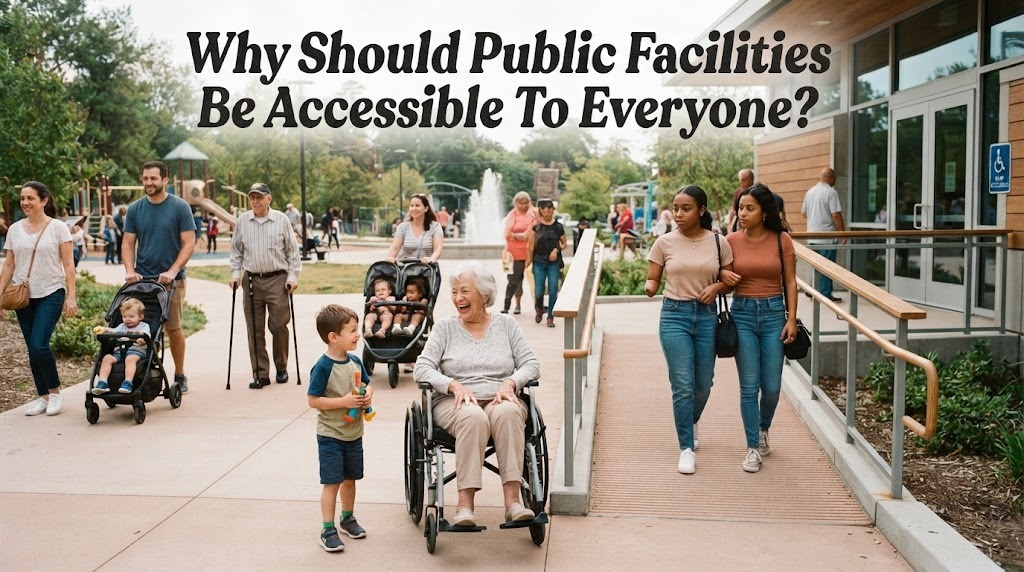
Public facilities are created to support the needs and activities of people in a community. Roads, transportation, schools, hospitals, parks, sidewalks, and public toilets are facilities that many people use every day. These facilities should be designed so that everyone can use them safely and comfortably, regardless of age or physical ability. Easy access to public facilities can make daily activities more convenient. It also helps create a community where people have equal opportunities to participate in social life.
PROVIDING EQUAL ACCESS
Public facilities should be accessible because every person has the right to use public services. People have different needs, physical conditions, ages, and levels of mobility. If a facility can only be used by certain people, others may face unnecessary difficulties. Accessible design helps reduce these barriers and allows more people to use the same facility. This creates a more inclusive public environment.
SUPPORTING PEOPLE WITH DISABILITIES
People with disabilities may need additional features to access public facilities independently. Ramps, elevators, accessible toilets, tactile paths, and clear signs can make public places easier to navigate. Without these features, simple activities such as entering a building or using transportation may become difficult. Accessible facilities can give people with disabilities greater independence in their daily activities. This also supports their participation in education, employment, transportation, and social activities.
HELPING OLDER ADULTS AND CHILDREN
Accessible facilities are not only important for people with disabilities. Older adults and children can also benefit from safe paths, ramps, handrails, seating areas, and clear information. These features can make movement easier and reduce the risk of accidents. Parents can also feel more comfortable when public spaces are designed with children's needs in mind. As a result, accessible facilities can support different age groups in the community.
IMPROVING SAFETY AND COMFORT
Accessibility can make public facilities safer and more comfortable for everyone. Clear pathways, good lighting, suitable entrances, and well-maintained surfaces can reduce obstacles and accident risks. People are more likely to use a facility when they can move around it without unnecessary difficulties. Clean and functional facilities also create a better experience for users. Therefore, accessibility should be considered together with safety, cleanliness, and comfort.
SUPPORTING DAILY ACTIVITIES
People depend on public facilities for many everyday activities. They may use public transportation to travel, schools to learn, hospitals to receive healthcare, and parks to exercise or relax. When these facilities are accessible, people can complete their activities with fewer barriers. Easy access saves time and supports independence in daily life. It can also help people participate more actively in their communities.
BUILDING AN INCLUSIVE COMMUNITY
Accessible public facilities can help create a community where more people can participate equally. When people can use the same public spaces, they have more opportunities to meet, communicate, and take part in community activities. This can encourage understanding and cooperation between different groups. Inclusive facilities also show that community needs are being considered in public development. In the long term, accessibility can support a more welcoming and connected society.
IMPROVING PUBLIC SERVICES
Accessibility is also an important part of providing quality public services. Governments and facility managers need to consider different user needs when planning, building, and maintaining public facilities. Regular inspections can help identify barriers such as broken ramps, blocked pathways, poor signs, or damaged surfaces. Improvements should be made when facilities no longer meet users' needs. This approach helps ensure that public facilities remain useful, safe, and accessible over time.
CONCLUSION
Public facilities should be accessible to everyone because they support equal participation and daily activities. Accessible designs can help people with disabilities, older adults, children, and other community members use public spaces more easily. Good accessibility also improves safety, comfort, independence, and access to essential services. Public facilities should therefore be planned and maintained with the needs of different users in mind. By creating inclusive public facilities, communities can provide a better environment for everyone.
About the Author
Gusti Ayu Tita P
Author — STEKOM University
An active author focused on academic issues, educational technology, and human resource development in the campus environment.















